Latin America & Caribbean / Colombia
Auto export to Colombia.
Let's be straight about Colombia: it is closed to used-car imports. Not capped, not taxed heavily, closed. The prohibition is long-standing policy, and no ordinary commercial channel exists for a US auction car to clear Colombian customs and register. The exceptions are narrow and personal: classic and antique vehicles, diplomatic imports, and returning Colombians moving home under the menaje regime with its own conditions. We list Colombia so the question gets a real answer instead of a runaround, and so the narrow cases that do exist get handled correctly.
For reference purposes only. Regulations, policies, and procedures change constantly. Ensure you verify and validate all requirements for your specific shipments before initiating any.
The Colombia lane, in four numbers.
Cartagena and Barranquilla serve the exception cases. Direct calls from the US East Coast and Gulf.
Six container warehouses. Five RoRo terminals. Relevant only for the narrow exception categories.
Short ocean leg from Florida and the Gulf. The gate is legal, not logistical.
Used-vehicle imports prohibited. Exceptions: qualifying classics, diplomats, returning residents under the menaje regime.
A closed market with three narrow doors.
Colombia protects its vehicle market with a prohibition, and it holds. What exists around the edges are personal exception regimes, each with its own paperwork and conditions. If your case fits one, we run it properly. If it does not, we say so in the first conversation.
Three doors exist.
Classic and antique vehicles meeting Colombia's age and character requirements. Diplomatic imports under accreditation. And returning Colombians relocating home, who can bring a personal vehicle under the returning-resident regime, subject to its ownership and residence conditions. Each runs on its own documentation, confirmed before anything ships.
- Qualifying classic and antique vehicles
- Diplomatic imports under accreditation
- Returning residents under the relocation regime
- Conditions confirmed in writing before booking
- Cartagena or Barranquilla as the entry ports
The ordinary used import has no channel.
No dealer path, no duty rate that opens the door, no free-zone workaround into registration. Schemes exist in every closed market and Colombia is no exception. We do not participate in them, and a forwarder who says otherwise is selling you a seizure.
- No commercial used-import channel exists
- No payment or structure changes the prohibition
- Free zones do not create a registration path
- We decline workaround requests plainly
- A closed door named early costs you nothing
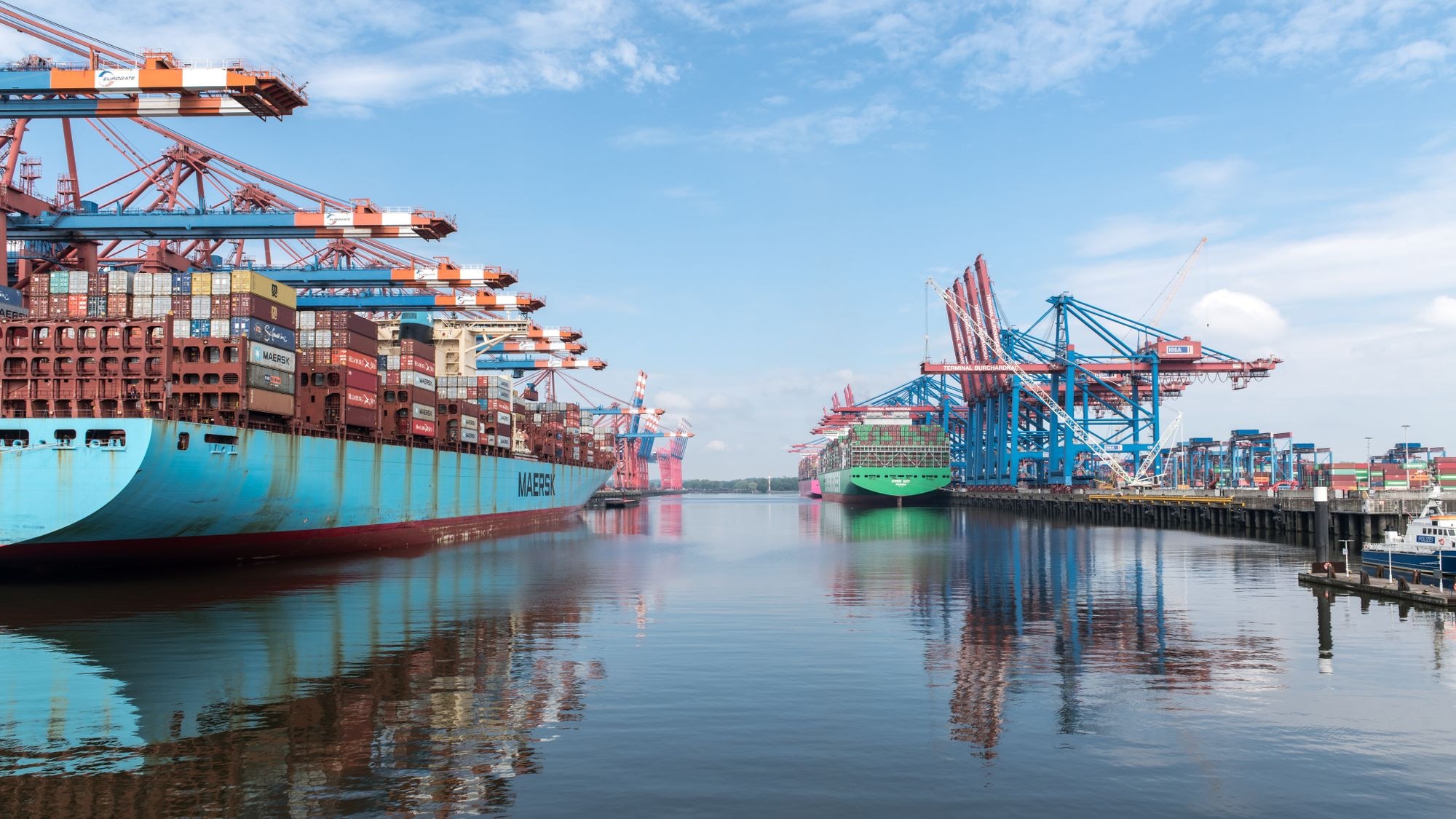
Logistics for the cases that qualify.
For an exception-case vehicle, the freight itself is simple: a short Caribbean leg to Cartagena with the authorization file riding ahead of the car.
Container origins
NY/NJ, Savannah, Miami, Houston, Long Beach, Seattle. Six warehouses, container loaded by our crew. Miami is the natural origin.
Container is the standard method for exception cases, classics especially.
The authorization and regime paperwork completes before the vessel is booked, because on this lane the paper is the cargo.
RoRo origins
Baltimore, Brunswick, Galveston, Jacksonville, Port Hueneme. Five RoRo terminals.
Quarter-tank fuel maximum per SOLAS rules on every booking.
RoRo suits a running exception-case vehicle where the rotation fits. The desk prices both methods.
US origins for this lane
| Origin | Method | Transit |
|---|---|---|
| NY/NJ | Container, via Florida consolidation | Quoted per routing |
| Savannah | Container, via Florida consolidation | Quoted per routing |
| Miami | Container | 5-10 days |
| Houston | Container, via Florida consolidation | Quoted per routing |
| Long Beach | Container, via Florida consolidation | Quoted per routing |
| Seattle | Container, via Florida consolidation | Quoted per routing |
| Baltimore | RoRo, per rotation | Case by case |
| Brunswick | RoRo, per rotation | Case by case |
| Galveston | RoRo, per rotation | Case by case |
| Jacksonville | RoRo | Case by case |
| Port Hueneme | RoRo, per rotation | Case by case |
Any origin can serve this lane. The desk quotes the routing that fits where your freight sits.
The regime file comes first. The car follows it.
Every exception category runs on prior authorization. Nothing sails until the destination side confirms the case in writing.
Required documents
Original title or bill of sale
Exception: vehicles 25+ years can ship under salvage certificate per US Customs rules. Otherwise, clean title required before booking.
Commercial invoice
Issued by Dapex on letterhead. Buyer or consignee, vehicle details, declared value, HBL number.
Packing list
Standard format. Critical when vehicles are co-loaded with personal effects in containers.
HBL
Consigned to the buyer or their clearing agent. Released after payment of the quoted amount.
Before sailing: the case file
Exception category identified and documented
The applicable regime is named on the file before any booking.
Eligibility confirmed in writing with the Colombian side
The destination confirms the case qualifies before the vessel is booked.
Ownership and residence conditions evidenced where required
Returning-resident cases carry ownership and residence proof.
Classic-vehicle character documented for collector cases
Collector cases turn on documented age and character.
No confirmation, no booking
Without written confirmation of the case, nothing sails.
At destination: clears under the regime
Clearing agent files under the applicable exception regime
The destination clearing agent files under the confirmed exception category.
Duty and tax treatment per the regime's own terms
Each regime carries its own duty and tax treatment.
DIAN verification against the authorized case
DIAN verifies the shipment against the authorized case.
Registration follows under the regime conditions
Registration proceeds under the conditions of the applicable regime.
Dapex stops at port discharge and delivers the HBL on arrival
Dapex's scope ends at port discharge, with the HBL delivered on arrival.
What Dapex files, US side
AES filing with US Customs. ISF where required. HBL issuance under Dapex's NVOCC license. Commercial invoice and packing list on Dapex letterhead. Pre-alert pack to your clearing agent with all documents at vessel sailing.
Three doors. Everything else stays home.
The screen here is categorical. Either the case fits an exception regime or the shipment does not exist.
The exception cases.
Qualifying classics and antiques, diplomatic imports, and returning-resident vehicles meeting the regime conditions, each confirmed in writing before booking.
The ordinary used import.
Standard US auction stock of any age, condition, or value. The prohibition is the rule, and no structure around it changes the outcome.
Same as every lane.
Clean title or salvage cert (25-year exception), no unreleased liens, no personal effects loose in RoRo.
What moves the rate on this lane.
For the exception cases that move, the rate structure is standard. The variance is in the regime work, not the freight.
Our work, our cost.
- Warehouse operations
- Booking fee
- Documentation handling
- Dispatch coordination
- HBL issuance
Carrier and port-driven.
- Ocean freight (carrier-set)
- Routing and transshipment surcharges
- Fuel and bunker surcharges
- Origin port charges (container and RoRo)
- THC at discharge port
- Inland trucking to loading point
Service standards.
- Compliance
- Documentation accuracy
- Submission urgency
- Dispatch priority
Lane-specific drivers
Regime documentation
Each exception category carries its own evidence burden, and assembling it is the real timeline. The freight waits for the file, never the reverse.
Classic-vehicle character
Collector cases turn on documented age and character. The desk scopes the evidence with the Colombian side before the car is even purchased.
Short-sea scheduling
The Cartagena services run frequently from Florida and the Gulf. Once a case is authorized, the ocean leg is the easy week.
Returning-resident timing
The relocation regime ties the vehicle to the owner's move. Sequencing the shipment against the residence timeline is part of the file.
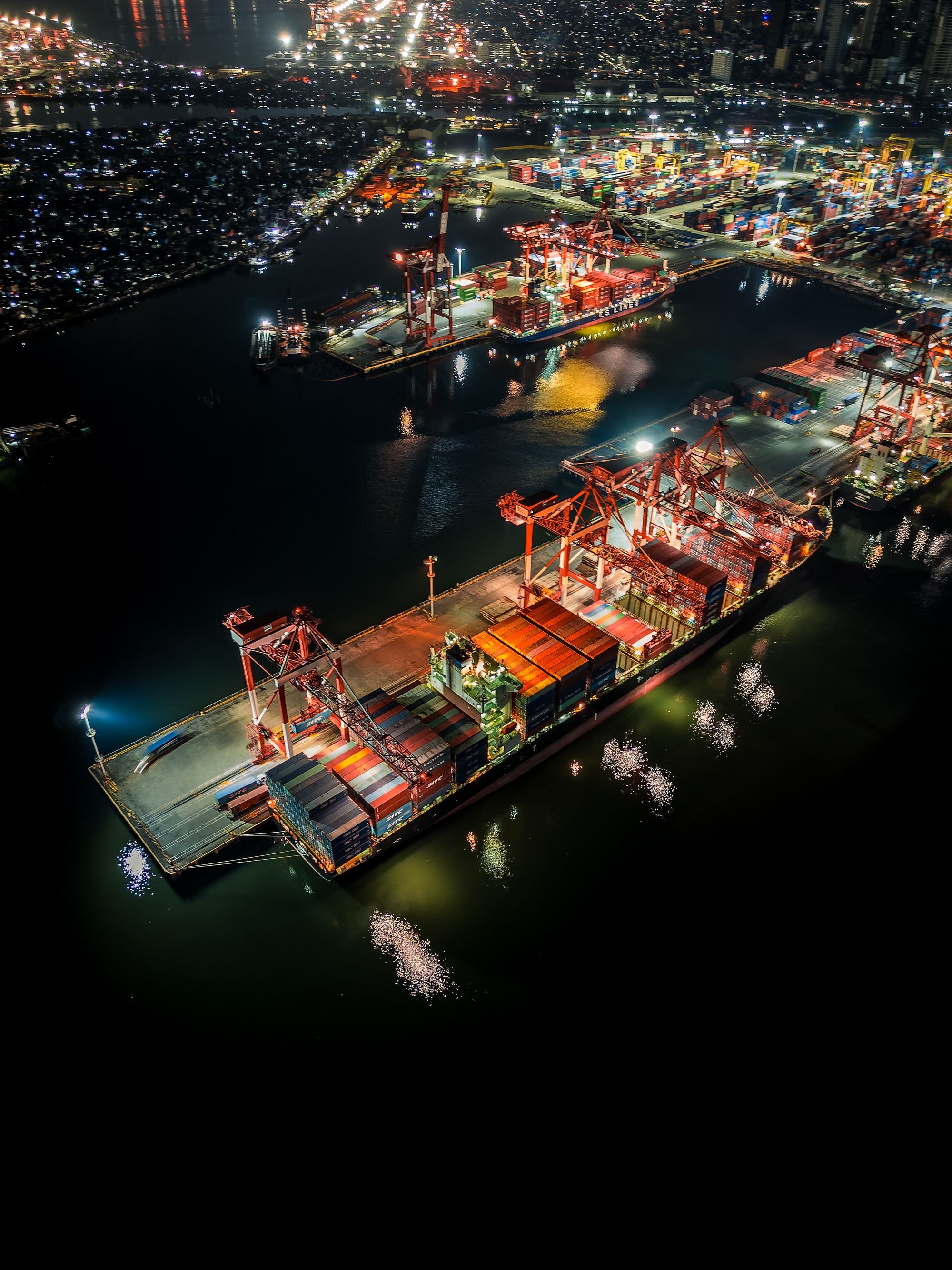
Who handles Colombia accounts.
The Spanish-speaking desk handles Colombia inquiries, and its first deliverable is a straight answer about whether a case exists.
Spanish-speaking Desk
Latin America and the Caribbean. Business hours across US Eastern and Latin American time zones, plus extended hours by request.
What the desk owns.
Quote signing, file management through BL, escalation on title or compliance issues, coordination with your destination agent or clearing agent. The desk lead's name and direct line are on every quote we send.
Things buyers ask about the Colombia lane.
Through the ordinary commercial channel, no. Colombia prohibits used-vehicle imports, and the prohibition is enforced. The exceptions are personal: qualifying classics, diplomatic imports, and returning residents under the relocation regime.
Possibly, under the returning-resident regime, which carries ownership, residence, and timing conditions. Tell the desk your situation and we confirm eligibility in writing with the Colombian side before anything else happens.
Old is not the same as classic. The collector regime has its own age and character requirements, documented and verified. The desk scopes your specific vehicle against them before you commit to anything.
A free zone does not create a registration path into Colombian territory. The prohibition applies at nationalization regardless of how the car arrived.
Those are the schemes that fill seizure yards. We decline them, plainly and early, because the alternative is your car becoming evidence.
Cartagena primarily, with Barranquilla as an alternative. Both are short direct calls from Florida and the Gulf.
The region has real open lanes: the Dominican Republic for recent clean stock, Guatemala and Haiti for the rebuild trade, Paraguay inside its ten-year window, the Chilean free zones for the trader business. The desk can map your inventory against the markets that actually take it.
The ocean leg is five to ten days. The regime file is the real calendar, and it runs from weeks to a few months depending on the category and the evidence.
Think your case fits an exception?
Tell the Spanish-speaking desk your situation: returning resident, diplomat, or collector. We confirm eligibility in writing with the Colombian side before any money moves, and if the honest answer is no, you will hear it in the first conversation along with where your car can actually go.