Latin America & Caribbean / Dominican Republic
Auto export to the Dominican Republic.
The Dominican Republic is the biggest US-car market in the Caribbean, and one of the shortest lanes we run. Cars sail from Florida and the East Coast to Haina or Caucedo in under a week. Two rules decide everything. Ley 04-07 caps used imports at five years from manufacture, with no exceptions and no workaround. Decreto 671-02 bans salvage outright, so this is a clean-title lane. Inside those two gates, the DR buys American cars in real volume, and CAFTA-DR can cut the duty on a US-built car.
For reference purposes only. Regulations, policies, and procedures change constantly. Ensure you verify and validate all requirements for your specific shipments before initiating any.
The Dominican Republic lane, in four numbers.
Rio Haina for most vehicle cargo. Caucedo (DP World) as the container alternative. Both serve Santo Domingo.
Six container warehouses. Five RoRo terminals. Florida origins are the natural fit for this lane.
Florida and East Coast origins. One of the shortest ocean legs Dapex runs anywhere.
Ley 04-07: five years from manufacture, hard limit. Decreto 671-02: salvage prohibited. LHD only.
A big market with two hard gates.
The DR protects its market with a statute, not a tariff trick. A car over five years old cannot clear, at any price, for anyone, including residents and returning citizens. A car with salvage history cannot clear either. What passes both gates moves fast and sells well.
The lane, and it is high volume.
A clean-title US car under five years from manufacture lands at Haina or Caucedo, clears through your customs agent, passes the Plan Piloto police check, and registers.
- Under 5 years from manufacture date, checked off the VIN
- Clean title, no salvage or rebuilt history, per Decreto 671-02
- Gravamen plus 18% ITBIS on the CIF value, CO2 tax at registration
- Plan Piloto certificate from the National Police before plates
- LHD only
Duty relief on a US-built car.
The DR is a CAFTA-DR member. A car that qualifies as US-originating under the agreement can clear at a reduced or zero tariff rate instead of the standard gravamen. You still pay ITBIS, but on a US-built car the duty saving is real money. We check build origin off the VIN before you bid.
- US-built cars can qualify for CAFTA-DR tariff preference
- Certificate of origin supports the claim at clearance
- ITBIS and CO2 tax still apply
- A US-branded car assembled abroad may not qualify
- The desk runs both duty numbers on the quote
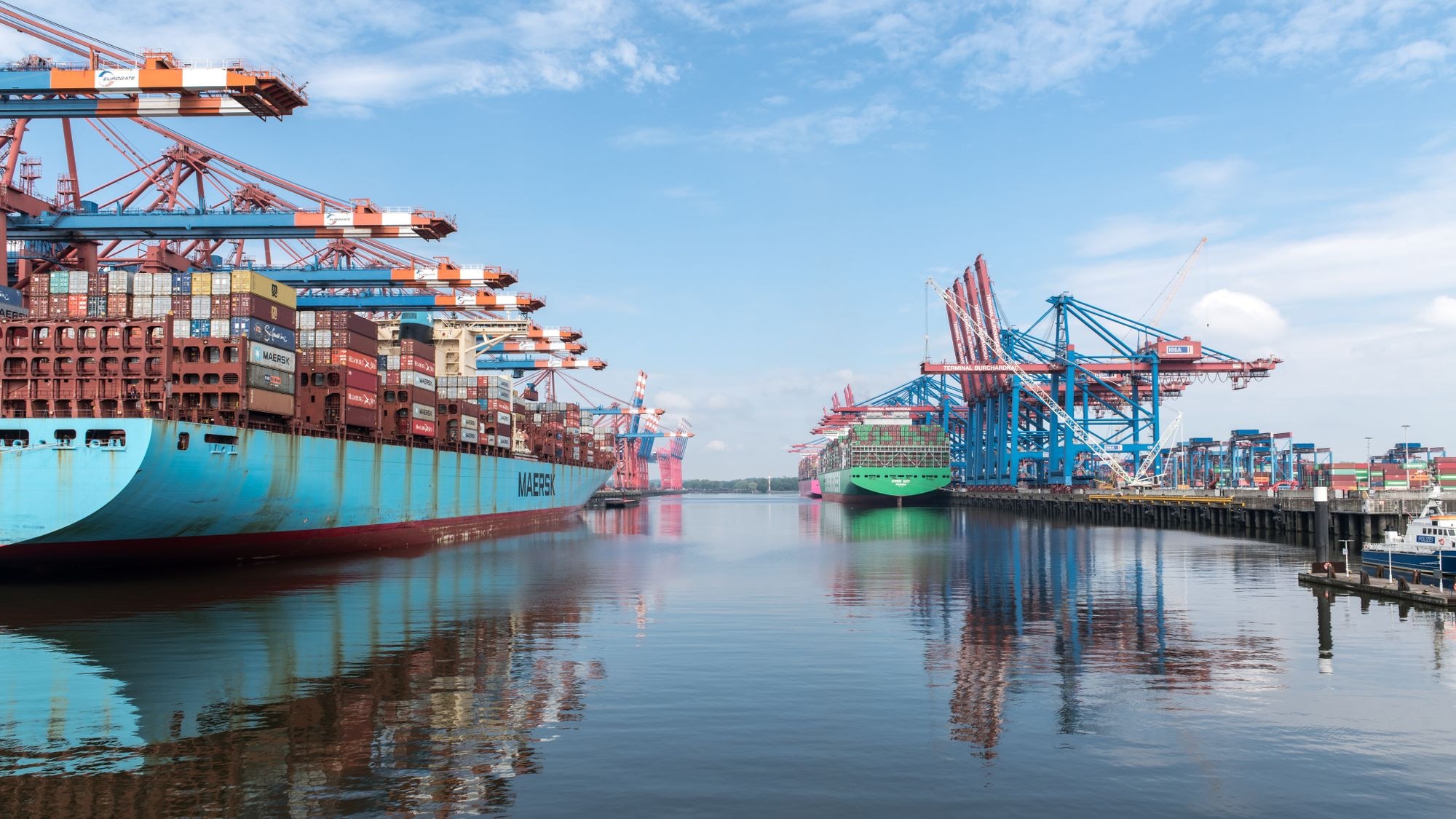
Eleven US loading points. Two methods. A week on the water.
The short Florida-to-Hispaniola leg makes this one of the fastest lanes Dapex runs. Method choice is mostly about vehicle value and whether cargo rides along.
Container origins
NY/NJ, Savannah, Miami, Houston, Long Beach, Seattle. Six warehouses, container loaded by our crew. A 40HC commonly holds four cars, five when they nest, three when they are full-size.
Miami and Savannah are the natural container origins for this lane, with frequent short-sea sailings to Caucedo and Haina.
Container is the pick for higher-value cars and for shipments with parts or personal effects co-loaded and declared.
RoRo origins
Baltimore, Brunswick, Galveston, Jacksonville, Port Hueneme. Five RoRo terminals. Jacksonville is the workhorse for the Caribbean rotations.
Quarter-tank fuel maximum per SOLAS rules on every booking.
RoRo baseline transit is 3-7 days from Florida. RoRo wins on running cars where speed and per-unit cost matter most.
US origins for this lane
| Origin | Method | Transit |
|---|---|---|
| NY/NJ | Container, via Florida consolidation | Quoted per routing |
| Savannah | Container | 3-7 days |
| Miami | Container | 3-7 days |
| Houston | Container, via Florida consolidation | Quoted per routing |
| Long Beach | Container, via Florida consolidation | Quoted per routing |
| Seattle | Container, via Florida consolidation | Quoted per routing |
| Baltimore | RoRo, per Caribbean rotation | Confirmed at quote |
| Brunswick | RoRo, per Caribbean rotation | Confirmed at quote |
| Galveston | RoRo, per Caribbean rotation | Confirmed at quote |
| Jacksonville | RoRo | 3-7 days |
| Port Hueneme | RoRo, per Caribbean rotation | Confirmed at quote |
Any origin can serve this lane. The desk quotes the routing that fits where your freight sits.
Clean paperwork clears in days, not weeks.
The DGA runs a digital declaration (DUA) and publishes its own duty calculator. What decides your clearance speed is document accuracy and the VIN checks passing.
Required documents
Original title or bill of sale
Exception: vehicles 25+ years can ship under salvage certificate per US Customs rules. Otherwise, clean title required before booking.
Commercial invoice
Issued by Dapex on letterhead. Buyer or consignee, vehicle details, declared value, HBL number.
Packing list
Standard format. Critical when vehicles are co-loaded with personal effects in containers.
HBL
Consigned to the buyer or their clearing agent. Released after payment of the quoted amount.
At the port: clears DGA customs
Your clearing agent files the DUA declaration
The digital declaration opens the clearance at the port of discharge.
DGA verifies age off the VIN and manufacture date
The five-year cap is applied automatically against the build date.
Gravamen and 18% ITBIS paid on CIF
The tariff and value-added tax settle on the CIF value.
CAFTA-DR preference applied where the origin qualifies
A US-originating car clears at the reduced or zero tariff rate against the certificate of origin.
First registration triggers the CO2 tax
1 to 3% by emissions band at first registration.
After clearance: Plan Piloto, then plates
National Police issue the Plan Piloto certificate
Usually about a week.
Chassis number checked against stolen-vehicle records
The certificate confirms the car is not reported stolen and the chassis matches records.
Vehicle registers and receives Dominican plates
Registration follows the Plan Piloto certificate.
Returning Dominicans can claim a partial duty exemption
On one personal vehicle.
Dapex stops at port discharge and delivers the HBL on arrival
Destination clearance runs through your customs agent.
What Dapex files, US side
AES filing with US Customs. ISF where required. HBL issuance under Dapex's NVOCC license. Commercial invoice and packing list on Dapex letterhead. Pre-alert pack to your clearing agent with all documents at vessel sailing.
The gates are age and title. Everything else is normal.
Most mainstream US auction stock under five years ships without friction. The rejects are predictable and we screen them out before you spend money.
Recent, clean, LHD.
Sedans, SUVs, and pickups under five years from manufacture with clean titles. Standard inventory from Copart, IAAI, Manheim, and Adesa where the title is genuinely clean.
Over-age and salvage.
Anything five years or older from manufacture. Anything with salvage, flood, or rebuilt history, however well repaired. RHD vehicles. These are statutory bans, not surcharges. We screen the VIN and title before pickup so the rejection happens at the bid stage, not at Haina.
Same as every lane.
Clean title or salvage cert (25-year exception, though the DR gate makes it moot here), no unreleased liens, no personal effects loose in RoRo.
What moves the rate on this lane.
Locked components stay locked. Pass-through moves with carrier and port pricing. Three things drive variance on this lane.
Our work, our cost.
- Warehouse operations
- Booking fee
- Documentation handling
- Dispatch coordination
- HBL issuance
Carrier and port-driven.
- Ocean freight (carrier-set)
- Routing and transshipment surcharges
- Fuel and bunker surcharges
- Origin port charges (container and RoRo)
- THC at discharge port
- Inland trucking to loading point
Service standards.
- Compliance
- Documentation accuracy
- Submission urgency
- Dispatch priority
Lane-specific drivers
Short-sea capacity and seasonality
The Florida-Caribbean rotations are frequent but the vessels are smaller. Space tightens around the December holiday shipping wave when the diaspora sends cars and goods home. Pre-book where possible.
CAFTA-DR origin work
The tariff preference is real but the origin determination takes a document. Where the car qualifies, we prepare the certificate of origin with the invoice pack so the saving lands at clearance rather than in a refund claim.
DGA valuation
The DGA values cars against its own reference tables, not only your invoice. The desk quotes the landed cost off the DGA calculator so the number you plan on is the number the port charges.
RoRo vs container per-car economics
On a lane this short, RoRo often wins on cost for a running car. Container wins when value, parts, or co-loaded cargo enter the picture. The desk runs both numbers on quotes for ongoing-volume accounts.
Who handles Dominican Republic accounts.
The Spanish-speaking desk runs every Dominican account. Same person from the first quote through every BL.
Spanish-speaking Desk
Latin America and the Caribbean. Business hours across US Eastern and Latin American time zones, plus extended hours by request.
What the desk owns.
Quote signing, file management through BL, escalation on title or compliance issues, coordination with your destination agent or clearing agent. The desk lead's name and direct line are on every quote we send.
Things buyers ask about the Dominican Republic lane.
Haina for most vehicle cargo, with Caucedo, the DP World terminal east of Santo Domingo, as the container alternative. Both are direct short-sea calls from Florida and the East Coast.
Five years from the manufacture date, under Ley 04-07. It is a statutory ban, not a surcharge, and the DGA applies it automatically. We read the build date off the VIN before you bid.
No. Decreto 671-02 prohibits the import of salvage vehicles, meaning any car with collision, theft, or flood history. This lane is clean title only, and we verify before pickup.
The tariff (gravamen) plus 18% ITBIS on the CIF value, plus a CO2 tax of 1 to 3% at first registration. A US-built car that qualifies under CAFTA-DR can clear at a reduced or zero tariff. The desk runs the exact figure on the DGA calculator before you buy.
A certificate from the National Police confirming the car is not reported stolen and the chassis number matches records. It usually takes about a week and is required before registration.
Returning Dominicans can claim a partial exemption on one personal vehicle, with discounts reported at 20 to 60% of the taxes depending on the car and year. The car still has to be under five years and registered in your name for at least a year. The desk walks through the conditions.
Left-hand drive only. The DR drives on the right and RHD cars cannot legally register. US auction cars are LHD, so this is rarely an issue.
Three to seven days on the water from Florida, then clearance, Plan Piloto, and registration. Door to plates commonly runs two to three weeks when the paperwork is clean.
Ready to ship to the Dominican Republic?
Send VIN, lot number, and consignee details to the Spanish-speaking desk. We confirm the car is inside the five-year window, verify the title is genuinely clean, run the CAFTA-DR origin check, and quote door to Haina or Caucedo. Itemized quote signed by your account manager within 4 business hours.