Latin America & Caribbean / Guatemala
Auto export to Guatemala.
Guatemala is one of Central America's biggest US-car importers, with ports on both coasts: Puerto Quetzal on the Pacific and Santo Tomas de Castilla on the Atlantic. The market runs deep on US auction stock, including a substantial repair-and-rebuild trade. The published rules are messier than the trade: sources conflict on whether a 10-year age cap is enforced, so we work each car against current SAT practice through the clearing agent rather than against a blog post. First registration carries IPRIMA, Guatemala's registration tax, and CAFTA-DR can cut the duty on US-built cars.
For reference purposes only. Regulations, policies, and procedures change constantly. Ensure you verify and validate all requirements for your specific shipments before initiating any.
The Guatemala lane, in four numbers.
Santo Tomas de Castilla on the Atlantic takes East Coast and Gulf sailings. Puerto Quetzal on the Pacific takes West Coast sailings.
Six container warehouses. Five RoRo terminals. Origin choice follows the coast the car ships to.
Gulf to Santo Tomas is short. West Coast to Quetzal slightly longer. Among the shorter lanes Dapex runs.
Published age-cap claims conflict (10 years vs none). We confirm against current SAT practice per vehicle. IPRIMA due at first registration.
A deep market where the rulebook and the practice differ.
Guatemala absorbs US auction cars across the range, from clean late-model stock to repairables headed for the workshops. The regulatory picture is the catch: import guides assert a 10-year cap, other sources say no cap exists, and enforcement reports vary. We do not guess. Each car gets confirmed against current SAT practice through the Guatemala City clearing agent before you bid.
Clean stock for registration.
Recent clean-title cars clearing SAT customs and registering. Duty on CIF plus VAT, then IPRIMA, the first-registration tax scaled to the vehicle value, at plating. A US-built car that qualifies under CAFTA-DR clears at a preferential tariff.
- Duty plus 12% VAT on the CIF value
- IPRIMA first-registration tax, scaled by value
- CAFTA-DR preference for qualifying US-built cars
- SAT values against its own reference tables
- LHD, cleared through your customs agent
The rebuild trade.
Guatemala has one of the larger repair trades in the region, and US salvage moves into it in volume. Container is the method for non-runners. Where an age line bites in current practice, we tell you before purchase, not at the port.
- Salvage and repairable units move into the workshop trade
- Container for non-running vehicles
- Title history verified before pickup
- Age treatment confirmed per vehicle against current SAT practice
- The desk flags any car we cannot confirm will clear
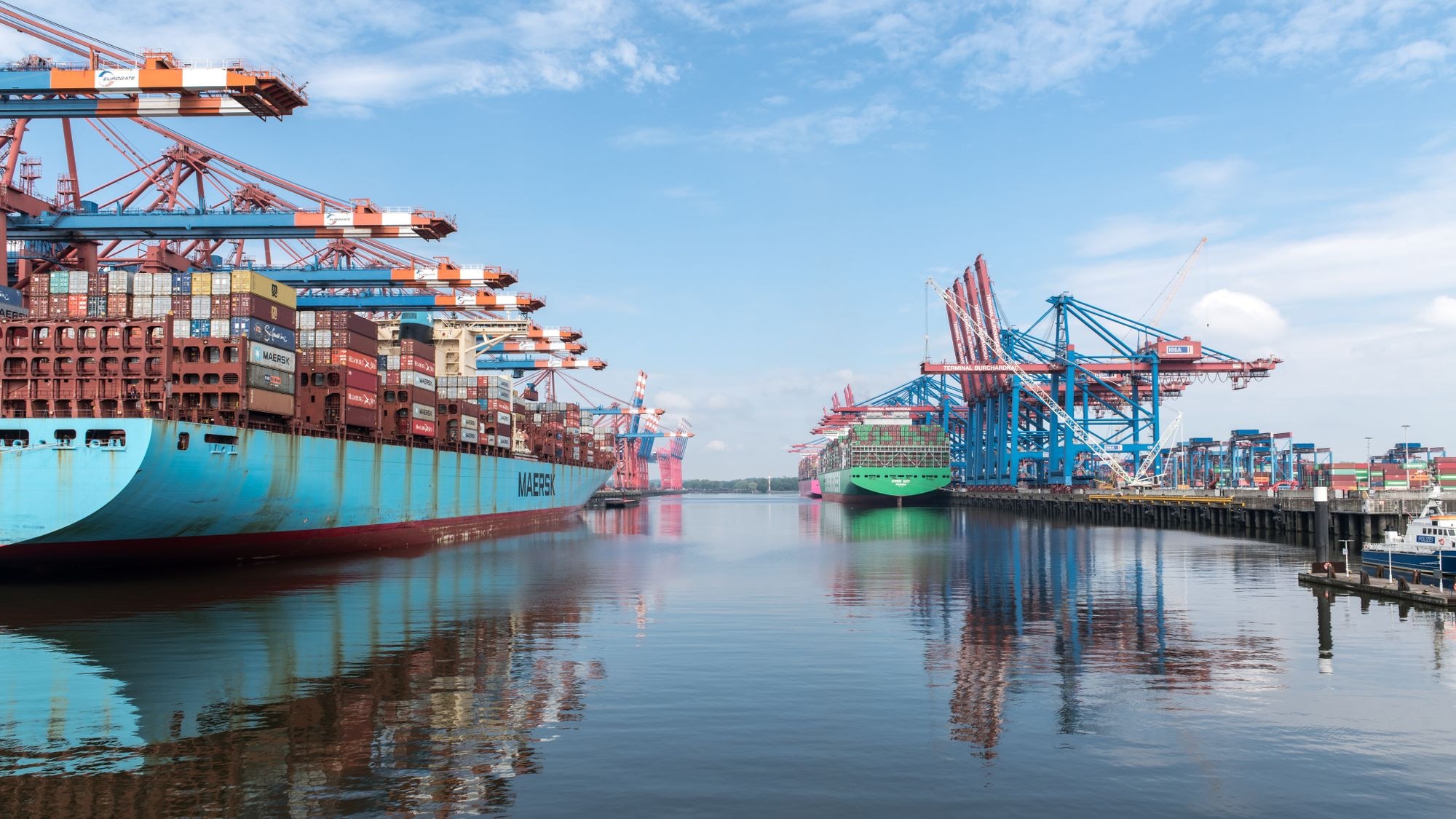
Two coasts. Pick the port by where the car loads.
Guatemala is one of the few lanes where the US origin decides the destination port. East Coast and Gulf cars sail to Santo Tomas. West Coast cars sail to Quetzal. Same country, two front doors.
Container origins
NY/NJ, Savannah, Miami, Houston, Long Beach, Seattle. Six warehouses, container loaded by our crew. Houston and Miami feed Santo Tomas. Long Beach feeds Quetzal.
A 40HC commonly holds four cars, five when they nest, three when they are full-size. Loaded to the safest high-density fit.
Container is the pick for salvage, non-runners, and cars moving with declared parts for the workshop trade.
RoRo origins
Baltimore, Brunswick, Galveston, Jacksonville, Port Hueneme. Five RoRo terminals. Galveston and Jacksonville serve the Atlantic side, Port Hueneme the Pacific.
Quarter-tank fuel maximum per SOLAS rules on every booking.
RoRo wins on running cars where the schedule fits. The desk prices both methods on both coasts and picks the cheaper clean routing.
US origins for this lane
| Origin | Method | Transit |
|---|---|---|
| NY/NJ | Container to Santo Tomas | Quoted per routing |
| Savannah | Container to Santo Tomas | Quoted per routing |
| Miami | Container to Santo Tomas | 5-12 days |
| Houston | Container to Santo Tomas | 5-12 days |
| Long Beach | Container to Quetzal | 5-12 days |
| Seattle | Container to Quetzal | Quoted per routing |
| Baltimore | RoRo, per rotation | Confirmed at quote |
| Brunswick | RoRo, per rotation | Confirmed at quote |
| Galveston | RoRo, Atlantic side | 5-12 days |
| Jacksonville | RoRo, Atlantic side | 5-12 days |
| Port Hueneme | RoRo, Pacific side | 5-12 days |
Any origin can serve this lane. The desk quotes the routing that fits where your freight sits.
SAT clearance plus IPRIMA at the plate.
Two payment moments: customs at the port, then IPRIMA when the car first registers. Buyers who only budget the first one get surprised by the second. We quote both.
Required documents
Original title or bill of sale
Exception: vehicles 25+ years can ship under salvage certificate per US Customs rules. Otherwise, clean title required before booking.
Commercial invoice
Issued by Dapex on letterhead. Buyer or consignee, vehicle details, declared value, HBL number.
Packing list
Standard format. Critical when vehicles are co-loaded with personal effects in containers.
HBL
Consigned to the buyer or their clearing agent. Released after payment of the quoted amount.
At the port: clears SAT customs
Import declaration
Your clearing agent files the import declaration with SAT.
Duty on CIF
Duty on CIF, with CAFTA-DR preference where origin qualifies.
VAT
12% VAT on the duty-inclusive value.
SAT valuation
SAT valuation runs against reference tables, not only your invoice.
Certificate of origin
Certificate of origin supports the CAFTA-DR claim.
At registration: IPRIMA, then plates
IPRIMA assessed
IPRIMA first-registration tax assessed on the vehicle value.
Rate scales with value
Rate scales with value band.
Paid before plates
Paid before the car receives Guatemalan plates.
On the quote
Budgeted on the Dapex quote so it is never a surprise.
Dapex scope
Dapex stops at port discharge and delivers the HBL on arrival.
What Dapex files, US side
AES filing with US Customs. ISF where required. HBL issuance under Dapex's NVOCC license. Commercial invoice and packing list on Dapex letterhead. Pre-alert pack to your clearing agent with all documents at vessel sailing.
Wide envelope, verified car by car.
Most US auction stock ships to Guatemala. The screen is title honesty and, for older cars, written confirmation of age treatment before money moves.
Mainstream and workshop stock.
Recent clean-title cars, pickups (a Guatemalan staple), SUVs, and the salvage and repairable units the workshop trade rebuilds. LHD only for registration.
Cars near the age line.
Anything near or past ten years from manufacture gets its treatment confirmed with the clearing agent in writing before you bid. Where the answer is no, we say no before the auction, not after.
Same as every lane.
Clean title or salvage cert (25-year exception), no unreleased liens, no personal effects loose in RoRo.
What moves the rate on this lane.
Locked components stay locked. Pass-through moves with carrier and port pricing. Four things drive variance on this lane.
Our work, our cost.
- Warehouse operations
- Booking fee
- Documentation handling
- Dispatch coordination
- HBL issuance
Carrier and port-driven.
- Ocean freight (carrier-set)
- Routing and transshipment surcharges
- Fuel and bunker surcharges
- Origin port charges (container and RoRo)
- THC at discharge port
- Inland trucking to loading point
Service standards.
- Compliance
- Documentation accuracy
- Submission urgency
- Dispatch priority
Lane-specific drivers
Which coast, which method
The coast pairing decides the freight number. A Houston car to Santo Tomas and a Long Beach car to Quetzal price differently from the crossed routings. The desk optimizes origin, coast, and method together.
SAT reference valuation
SAT values cars against its own tables, so a cheap auction buy can carry duty on a higher assessed figure. The landed-cost quote runs on the SAT basis, not the hammer price.
IPRIMA at registration
The first-registration tax is the second payment moment and scales with value. It sits on the quote as its own line so the full landed cost is visible up front.
CAFTA-DR origin work
The preference saves real duty on qualifying US-built cars but needs the origin documented. We prepare the certificate with the invoice pack.

Who handles Guatemala accounts.
The Spanish-speaking desk runs every Guatemala account. Same person from the first quote through every BL.
Spanish-speaking Desk
Latin America and the Caribbean. Business hours across US Eastern and Latin American time zones, plus extended hours by request.
What the desk owns.
Quote signing, file management through BL, escalation on title or compliance issues, coordination with your destination agent or clearing agent. The desk lead's name and direct line are on every quote we send.
Things buyers ask about the Guatemala lane.
Santo Tomas de Castilla on the Atlantic for East Coast and Gulf origins. Puerto Quetzal on the Pacific for West Coast origins. The desk picks the pairing that lands cheapest for your car.
The published sources conflict: some state a 10-year cap, others state none, and enforcement reports vary. For any car near or past ten years, we confirm current SAT treatment through the clearing agent in writing before you bid. That is the only honest answer, and it is the one that protects your money.
Yes. Guatemala has a substantial repair trade and US salvage moves into it in volume. Container for non-runners, title history verified before pickup.
Duty on the CIF value, 12% VAT on top, then IPRIMA, the first-registration tax, when the car plates. A US-built car qualifying under CAFTA-DR clears at a preferential tariff. The desk quotes the full stack including IPRIMA.
Guatemala's first-registration tax, assessed on the vehicle value when it first registers in the country. It is a real cost and it belongs in the landed math from day one, so we put it on the quote.
If the car qualifies as US-originating under the agreement, generally a US-built vehicle, and the origin is documented. We check the build plant off the VIN and prepare the certificate where it applies.
Left-hand drive. Guatemala drives on the right, and US auction cars are LHD.
Five to twelve days on the water depending on the coast pairing, then SAT clearance and registration. Door to plates commonly runs two to four weeks with clean paperwork.
Ready to ship to Guatemala?
Send VIN, lot number, vehicle year, and consignee details to the Spanish-speaking desk. We confirm the age treatment where it needs confirming, run the duty and IPRIMA math on the SAT basis, verify the title, and quote both coast routings. Itemized quote signed by your account manager within 4 business hours.