Latin America & Caribbean / Haiti
Auto export to Haiti.
Haiti is a real, working US-car lane with no effective age cap and a repair trade that absorbs salvage in volume. It is also a market where conditions on the ground change month to month. Port-au-Prince operates with interruptions, Cap-Haitien serves the north, and Miragoane handles much of the vehicle trade in the south. We can route this lane, and we quote it case by case against current port conditions rather than off a fixed rate card. Straight answers, current information, no pretending it is a normal lane.
For reference purposes only. Regulations, policies, and procedures change constantly. Ensure you verify and validate all requirements for your specific shipments before initiating any.
The Haiti lane, in four numbers.
Port-au-Prince (capital), Cap-Haitien (north), Miragoane (south, heavy vehicle trade). The desk routes by current conditions and consignee location.
Six container warehouses. Five RoRo terminals. Florida is the natural origin, a short hop across the Windward Passage.
Ocean leg from Florida. Clearance timing is the real variable and moves with conditions.
No effective age restriction. Salvage and repairable cars are a large share of the lane. Duty and fees assessed at clearance.
A working lane that has to be run with open eyes.
Haiti imports US cars in volume because the market runs on them: aging fleets, a deep repair trade, and a large diaspora sending vehicles home. The complication is not customs policy. It is conditions. Ports pause, carriers apply booking restrictions and lift them, and insurance terms move. We track it and tell you what is true this month.
Cars to a named consignee. Most of the lane.
Running cars and repairables shipped to a named consignee at Port-au-Prince, Cap-Haitien, or Miragoane. No age gate. Duty and fees at clearance through the AGD. The diaspora share of this lane is large, and personal effects co-load in containers with proper declaration.
- No effective age cap on passenger cars
- Salvage and repairable units move, container for non-runners
- Duty and fees assessed by the AGD at clearance
- Personal effects co-load with declaration, never loose in RoRo
- Port choice by consignee location and current conditions
The honest part. Conditions, not customs.
Security conditions around Port-au-Prince have forced booking restrictions on and off since 2024, and clearance can pause. When the capital is constrained, Cap-Haitien and Miragoane carry more of the trade. We quote against the current picture and say plainly when a routing is not dependable that week.
- Carrier booking restrictions come and go with conditions
- Cap-Haitien and Miragoane absorb flow when the capital pauses
- Marine cargo insurance strongly advised, priced to conditions
- Timelines quoted as ranges, not promises
- We decline a booking we do not believe will discharge
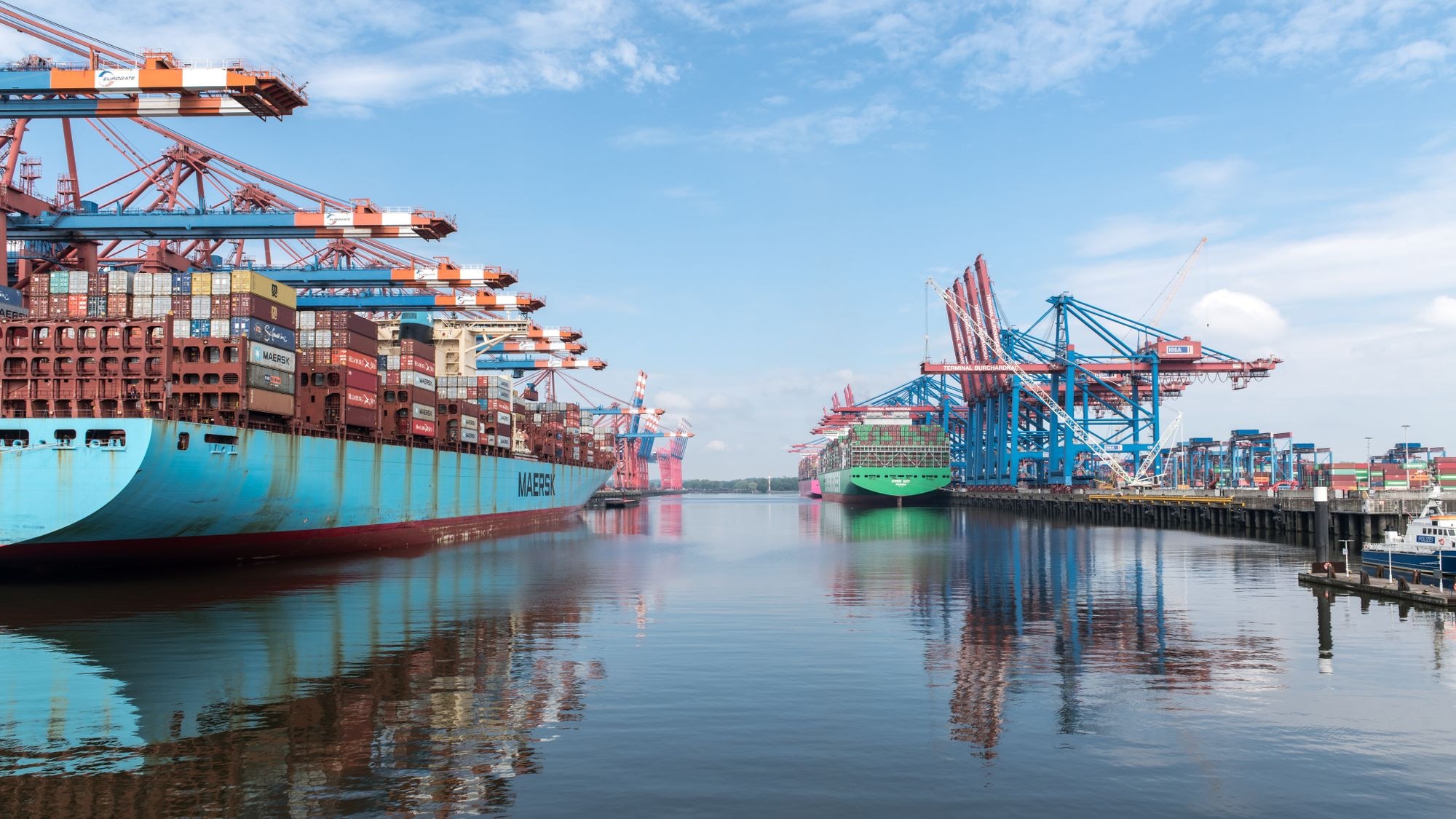
A short ocean leg. The port choice is the decision.
The water is the easy part. Florida to Hispaniola is days, not weeks. Which Haitian port, and under what conditions, is where the desk earns its keep.
Container origins
NY/NJ, Savannah, Miami, Houston, Long Beach, Seattle. Six warehouses, container loaded by our crew. Container is the workhorse for Haiti: salvage units, non-runners, and vehicle-plus-cargo loads all belong in a box.
Miami is the natural origin. Frequent sailings on the Caribbean rotations to Port-au-Prince and Cap-Haitien.
Full containers move with fewer touches, which matters on a lane where handling conditions vary.
RoRo origins
Baltimore, Brunswick, Galveston, Jacksonville, Port Hueneme. Five RoRo terminals. Jacksonville and the Florida ports serve the Caribbean rotations.
Quarter-tank fuel maximum per SOLAS rules on every booking. Nothing loose inside the vehicle, enforced strictly on this lane.
RoRo availability to Haiti depends on current carrier service status. The desk confirms what is actually sailing before quoting it.
US origins for this lane
| Origin | Method | Transit |
|---|---|---|
| NY/NJ | Container, via Miami consolidation | Quoted per routing |
| Savannah | Container, via Miami consolidation | Quoted per routing |
| Miami | Container | 5-10 days |
| Houston | Container, via Miami consolidation | Quoted per routing |
| Long Beach | Container, via Miami consolidation | Quoted per routing |
| Seattle | Container, via Miami consolidation | Quoted per routing |
| Baltimore | RoRo, per current carrier service status | Confirmed at quote |
| Brunswick | RoRo, per current carrier service status | Confirmed at quote |
| Galveston | RoRo, per current carrier service status | Confirmed at quote |
| Jacksonville | RoRo, per current carrier service status | Confirmed at quote |
| Port Hueneme | RoRo, per current carrier service status | Confirmed at quote |
Any origin can serve this lane. The desk quotes the routing that fits where your freight sits.
Documentation is standard. Conditions are not.
The AGD handles inspection and valuation directly since the pre-shipment inspection contract ended. Clean documents and a reachable consignee are what keep a Haiti file moving.
Required documents
Original title or bill of sale
Exception: vehicles 25+ years can ship under salvage certificate per US Customs rules. Otherwise, clean title required before booking.
Commercial invoice
Issued by Dapex on letterhead. Buyer or consignee, vehicle details, declared value, HBL number.
Packing list
Standard format. Critical when vehicles are co-loaded with personal effects in containers.
HBL
Consigned to the buyer or their clearing agent. Released after payment of the quoted amount.
At the port: clears AGD customs.
- Your clearing agent files with the AGD at the discharge port
- Duty and fees assessed at clearance on the declared value
- AGD conducts inspection directly at the point of entry
- Personal effects clear at Port-au-Prince or Cap-Haitien only
- Consignee or agent must be present and reachable at discharge
The realistic timeline: ranges, not promises.
- Ocean leg 5-10 days from Florida
- Clearance timing moves with port conditions
- Congestion and pauses can add days to weeks
- Marine insurance strongly advised and priced to conditions
- Dapex stops at port discharge and delivers the HBL on arrival
What Dapex files, US side
AES filing with US Customs. ISF where required. HBL issuance under Dapex's NVOCC license. Commercial invoice and packing list on Dapex letterhead. Pre-alert pack to your clearing agent with all documents at vessel sailing.
Almost everything ships. The screen is practical, not regulatory.
With no age gate and a salvage-friendly market, the Haiti screen is about condition honesty, packing discipline, and whether the consignee can actually receive.
The full range.
Running cars, older cars, salvage and repairable units, pickups and vans. The Haitian repair trade rebuilds what other markets refuse. Container for non-runners.
Cargo and co-loads.
Personal effects and parts co-load in containers with full declaration. Nothing rides loose inside a vehicle, in container or RoRo. This is the rule that holds shipments when broken, so we enforce it at the warehouse.
Same as every lane.
Clean title or salvage cert (25-year exception), no unreleased liens, no personal effects loose in RoRo. Sanctions and consignee screening run on every file as standard.
What moves the rate on this lane.
Locked components stay locked. On this lane the pass-through side carries real variance, and we price it openly rather than smooth it over.
Our work, our cost.
- Warehouse operations
- Booking fee
- Documentation handling
- Dispatch coordination
- HBL issuance
Carrier and port-driven.
- Ocean freight (carrier-set)
- Routing and transshipment surcharges
- Fuel and bunker surcharges
- Origin port charges (container and RoRo)
- THC at discharge port
- Inland trucking to loading point
Service standards.
- Compliance
- Documentation accuracy
- Submission urgency
- Dispatch priority
Lane-specific drivers
Port conditions
When Port-au-Prince is constrained, carriers restrict bookings and rates move. Cap-Haitien and Miragoane routings price differently. The quote names the port and the conditions it was priced against.
Insurance
Marine cargo cover on this lane is priced to current conditions and we strongly advise carrying it. The desk includes the current insurance picture on every quote.
Congestion and dwell
Terminal capacity tightens when flow concentrates on fewer ports. Dwell at destination can stretch. We quote timelines as ranges and update the file as the picture changes.
Seasonal diaspora waves
The December wave is heavy on this lane as families send vehicles and goods home. Book early in the fall to hold space.
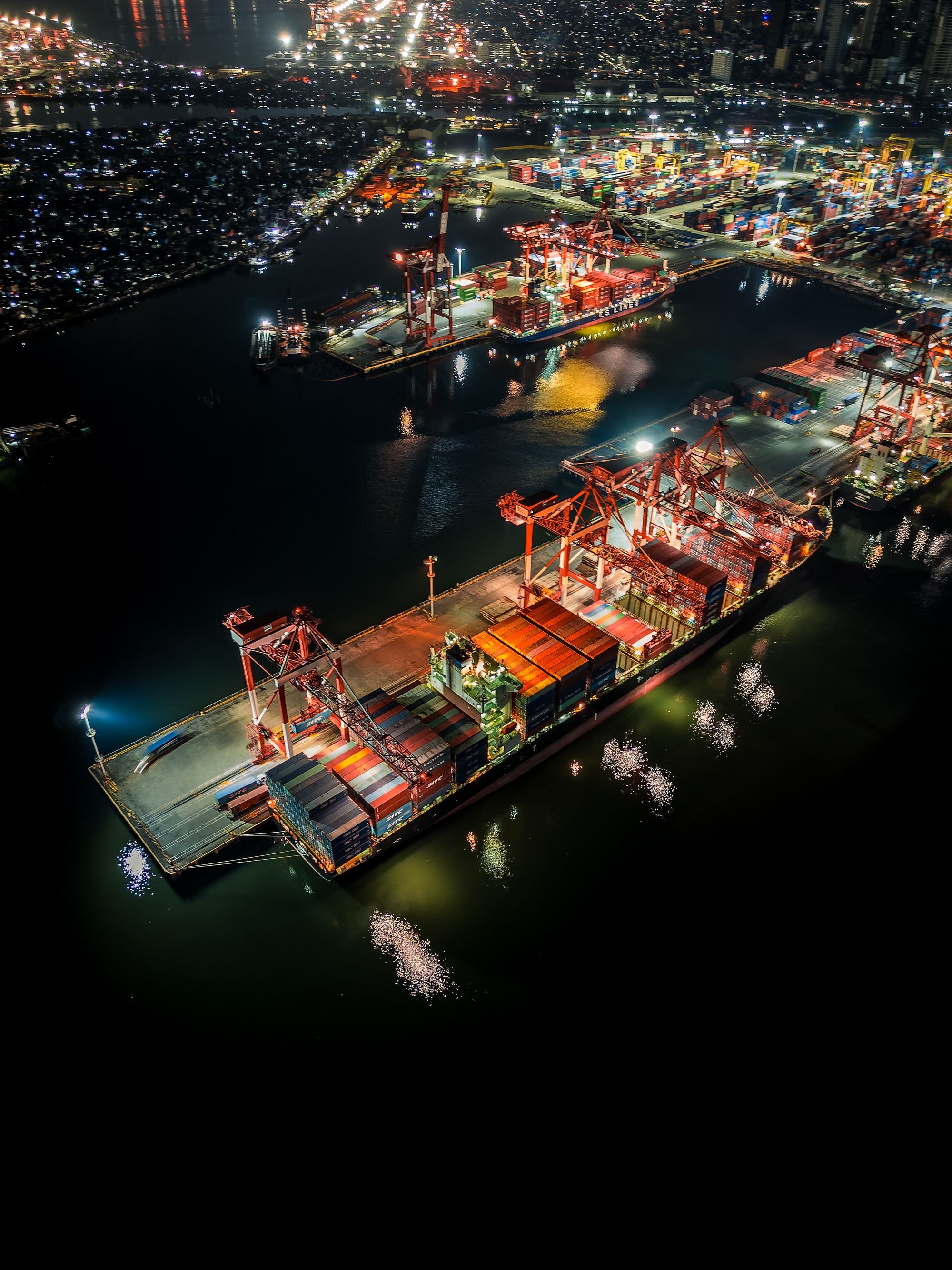
Who handles Haiti accounts.
The US desk runs Haiti accounts in English. Most of this lane is US-based diaspora and dealer business, and French-language destination paperwork runs through the Haitian clearing agents.
US Desk
North America and English-language accounts worldwide. Eastern time zone business hours, plus extended hours by request.
What the desk owns.
Quote signing, file management through BL, escalation on title or compliance issues, coordination with your destination agent or clearing agent.
Things buyers ask about the Haiti lane.
In most months, yes, and we tell you plainly when a routing is not dependable. Port-au-Prince operates with interruptions, and Cap-Haitien and Miragoane carry flow when the capital pauses. Every quote is priced against current conditions.
It depends on where the consignee is and what conditions look like this month. Port-au-Prince for the capital region when it is flowing, Cap-Haitien for the north, Miragoane for much of the vehicle trade in the south. The desk routes it with you.
No effective age cap. Haiti imports across the age range, and older reliable models are core stock for the market.
Yes, and they are a large share of the lane. The repair trade rebuilds US salvage in volume. Container is the right method for non-runners, and we ship under the salvage certificate with title history verified.
In a container, yes, declared and on the packing list. Loose inside the vehicle, no. Haitian customs prohibits packages transported aboard imported vehicles, and undeclared cargo is how shipments get held.
The ocean leg is 5 to 10 days from Florida. Clearance is the variable, and it moves with port conditions. We quote ranges and keep you updated rather than promising a date we cannot control.
Strongly advised on this lane. Marine cargo cover is priced to current conditions and the desk includes the insurance picture on every quote.
Because conditions move and a fixed card would be fiction. Carrier restrictions, insurance, and port choice all shift. We would rather quote you the true current number than a stale one that changes after you commit.
Ready to ship to Haiti?
Send VIN, lot number, the consignee and their city, and what rides with the car to the US desk. The desk quotes the lane against current port conditions, names the port and insurance terms, and gives you the honest timeline. Itemized quote signed by your account manager within 4 business hours.