Latin America & Caribbean / Paraguay
Auto export to Paraguay.
Paraguay is a real used-car market with an unusual delivery route: the country is landlocked, so a US car sails to Montevideo or Buenos Aires, transships to a river barge, and runs up the Paraguay-Parana waterway to the Asuncion river terminals. The rules are workable: a 10-year age cap, left-hand drive only, and a duty stack around 35% of assessed value under the Mercosur tariff plus 10% VAT. We can route this lane end to end, ocean leg plus barge leg, and the calendar has one seasonal wrinkle worth knowing about: low water on the river from roughly August to October.
For reference purposes only. Regulations, policies, and procedures change constantly. Ensure you verify and validate all requirements for your specific shipments before initiating any.
The Paraguay lane, in four numbers.
Ocean to Montevideo or Buenos Aires, transship to river barge, up the Paraguay-Parana waterway to Asuncion terminals (Puerto Fenix, Terport, Villeta).
Six container warehouses. Five RoRo terminals. East Coast and Gulf origins feed the Atlantic transshipment hubs.
Ocean leg plus transshipment plus the river run. Low-water season (roughly Aug-Oct) can stretch the barge leg.
10-year cap from manufacture, LHD only. Mercosur tariff plus 10% VAT, assessed on customs valuation. Despachante mandatory.
A river market, priced like one.
Paraguay imports used cars in volume, historically from Japan and increasingly from the US now that LHD is the rule. The trade math has two layers most quotes hide: the ocean-plus-barge freight, and a duty stack assessed on the customs valuation rather than your invoice. We quote both layers in the open.
Inside the cap, LHD, cleared and registered.
A US car inside the ten-year cap, LHD, clean or repairable, moves ocean-plus-barge to an Asuncion terminal, clears through a Paraguayan despachante, and registers. Duty runs on the Mercosur common external tariff with 10% VAT, assessed against customs valuation.
- Inside the 10-year cap from the manufacture date
- LHD only, checked before purchase
- Mercosur tariff plus 10% VAT on assessed value
- Cleared by a licensed despachante at the river terminal
- Registered with Paraguayan authorities
Montevideo, Buenos Aires, or overland.
Montevideo is the preferred transshipment hub for the barge connection, Buenos Aires the alternative when schedules favor it. A third path, Paranagua in Brazil plus overland via Ciudad del Este, suits some eastern-Paraguay deliveries. The desk prices the live options per shipment rather than defaulting.
- Montevideo: the standard barge connection
- Buenos Aires: the alternative by schedule
- Paranagua plus overland: eastern deliveries, case by case
- Low water (Aug-Oct) can limit barge drafts and add time
- The quote names the routing it was priced on
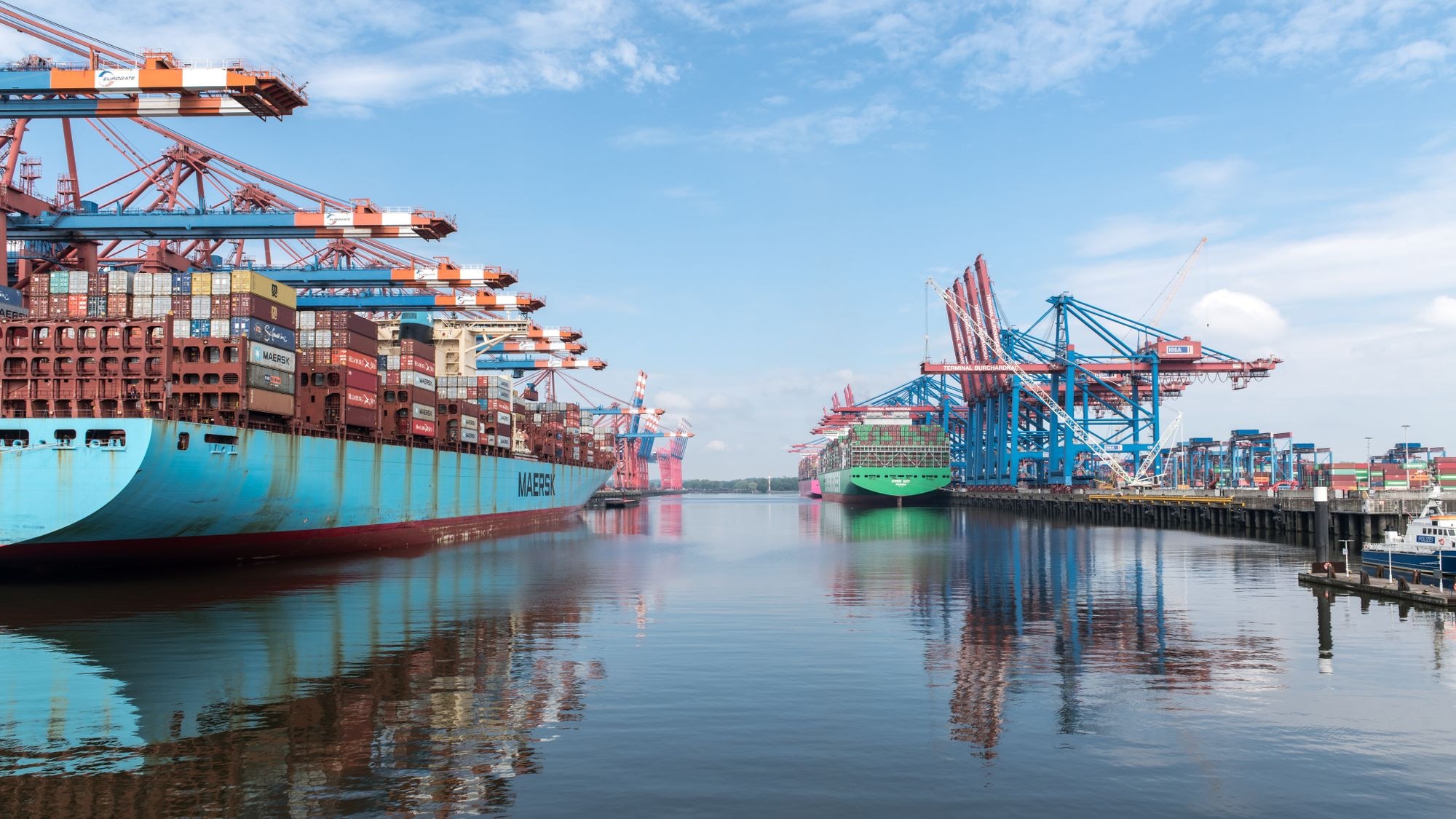
Ocean, then river. Two legs, one file.
This is a genuine multimodal lane and we run it as one booking: US warehouse to Atlantic hub by ocean, transshipment, then barge to the Asuncion terminals.
Container origins
NY/NJ, Savannah, Miami, Houston, Long Beach, Seattle. Six warehouses, container loaded by our crew. East Coast and Gulf origins feed the Atlantic hubs.
The container transships at Montevideo or Buenos Aires onto the river barge service and runs upriver to Puerto Fenix, Terport, or Villeta.
Container is the standard method for this lane. The box rides both legs sealed, which keeps handling low across the transshipment.
RoRo origins
Baltimore, Brunswick, Galveston, Jacksonville, Port Hueneme. Five RoRo terminals.
Quarter-tank fuel maximum per SOLAS rules on every booking.
RoRo runs to the Atlantic hubs with the onward leg arranged from there. The desk prices it against the through-container routing, which usually wins on handling.
US origins for this lane
| Origin | Method | Transit |
|---|---|---|
| NY/NJ | Container via Atlantic hub, then barge | 35-50 days |
| Savannah | Container via Atlantic hub, then barge | Quoted per routing |
| Miami | Container via Atlantic hub, then barge | 35-50 days |
| Houston | Container via Atlantic hub, then barge | 35-50 days |
| Long Beach | Container via Atlantic hub, then barge | Quoted per routing |
| Seattle | Container via Atlantic hub, then barge | Quoted per routing |
| Baltimore | RoRo to Atlantic hub, onward arranged | Priced vs through-container |
| Brunswick | RoRo to Atlantic hub, onward arranged | Priced vs through-container |
| Galveston | RoRo to Atlantic hub, onward arranged | Priced vs through-container |
| Jacksonville | RoRo to Atlantic hub, onward arranged | Priced vs through-container |
| Port Hueneme | RoRo to Atlantic hub, onward arranged | Priced vs through-container |
Any origin can serve this lane. The desk quotes the routing that fits where your freight sits.
The despachante runs the destination side.
Paraguayan clearance runs through a licensed customs broker, and engaging one early is the difference between a barge that discharges into clearance and one that discharges into storage fees.
Required documents
Original title or bill of sale
Exception: vehicles 25+ years can ship under salvage certificate per US Customs rules. Otherwise, clean title required before booking.
Commercial invoice
Issued by Dapex on letterhead. Buyer or consignee, vehicle details, declared value, HBL number.
Packing list
Standard format. Critical when vehicles are co-loaded with personal effects in containers.
HBL
Consigned to the buyer or their clearing agent. Released after payment of the quoted amount.
On the way: two legs, documented once
Ocean BL
Covers the leg to the Atlantic hub.
Transshipment to the barge service
Under the through arrangement.
River leg
To the named Asuncion terminal.
Pre-alert pack
To the despachante before barge arrival.
Low-water routing changes
Flagged to you as they happen.
At the terminal: clears and registers
Import declaration
Despachante files the import declaration.
Age verification
Age verified off the VIN against the 10-year cap.
Duty and VAT
Mercosur tariff and 10% VAT paid on assessed value.
Storage clock
The storage clock at the terminal starts fast, so documents go ahead of the barge.
Registration
Registration follows with Paraguayan authorities.
What Dapex files, US side
AES filing with US Customs. ISF where required. HBL issuance under Dapex's NVOCC license. Commercial invoice and packing list on Dapex letterhead. Pre-alert pack to your clearing agent with all documents at vessel sailing.
Ten years, LHD, and the box.
The Paraguay screen is simple and the routing is the craft. Inside the gates, the market takes a wide range of US stock.
Mainstream stock inside 10 years.
Sedans, SUVs, and pickups inside the cap with clean titles. Repairable units move for the workshop trade where admissibility is confirmed. LHD only.
Over-age and RHD.
Cars past ten years from manufacture (motorcycles past seven). Right-hand drive, which Paraguay no longer accepts. We screen both before you bid.
Same as every lane.
Clean title or salvage cert (25-year exception), no unreleased liens, no personal effects loose in RoRo.
What moves the rate on this lane.
Locked components stay locked. This lane carries a genuine second freight leg, and it is itemized rather than blended.
Our work, our cost.
- Warehouse operations
- Booking fee
- Documentation handling
- Dispatch coordination
- HBL issuance
Carrier and port-driven.
- Ocean freight (carrier-set)
- Routing and transshipment surcharges
- Fuel and bunker surcharges
- Origin port charges (container and RoRo)
- THC at discharge port
- Inland trucking to loading point
Service standards.
- Compliance
- Documentation accuracy
- Submission urgency
- Dispatch priority
Lane-specific drivers
The barge leg
The river freight is its own market with its own pricing, and it moves with water levels and barge availability. It sits on the quote as a named line so you can see both legs.
Low-water season
Roughly August through October, drafts restrict and schedules stretch. Time-sensitive cargo in that window gets the overland alternative priced alongside.
Customs valuation
Paraguay assesses duty on its own valuation basis. The landed-cost quote runs on the assessed figure so the number you plan on is the number the terminal charges.
Hub choice
Montevideo versus Buenos Aires transshipment prices differently by week and carrier. The desk books against the live schedule, not a default.
Who handles Paraguay accounts.
The Spanish-speaking desk runs every Paraguay account. Same person from the first quote through every BL.
Spanish-speaking Desk
Latin America and the Caribbean. Business hours across US Eastern and Latin American time zones, plus extended hours by request.
What the desk owns.
Quote signing, file management through BL, escalation on title or compliance issues, coordination with your destination agent or clearing agent. The desk lead's name and direct line are on every quote we send.
Things buyers ask about the Paraguay lane.
Ocean to Montevideo or Buenos Aires, transshipment to a river barge, then up the Paraguay-Parana waterway to the Asuncion river terminals: Puerto Fenix, Terport, or Villeta. The desk runs it as one booking across both legs.
Ten years from the manufacture date for cars, seven for motorcycles. It is enforced at clearance, so we read the build year off the VIN before you bid.
Left-hand drive only. Paraguay closed the RHD door that once fed its Japanese-import trade, which is exactly why the US lane has grown. US auction cars are LHD.
Duty under the Mercosur common external tariff, in practice landing around 35% of the assessed value for used cars, plus 10% VAT and the despachante and terminal fees. The desk quotes the stack on the customs valuation basis, not the auction price.
From roughly August to October the river runs low, barge drafts restrict, and the upriver leg slows. We flag it on every quote in that window and price the Paranagua overland alternative for time-sensitive cargo.
Repairable units move for the workshop trade where the age and admissibility work. The desk confirms treatment with the despachante per vehicle before you bid.
Thirty-five to fifty days door to Asuncion in normal water: the ocean leg, the transshipment, and the river run. Low season can stretch the back end.
A licensed despachante de aduana, mandatory for the import declaration. We pre-alert them with the full document pack before the barge arrives so clearance starts the day the box lands.
Ready to ship to Paraguay?
Send VIN, lot number, vehicle year, and consignee details to the Spanish-speaking desk. We confirm the car against the ten-year cap, price the hub and barge routing live, run the duty math on the assessed basis, and quote door to the Asuncion terminal. Itemized quote signed by your account manager within 4 business hours.