Latin America & Caribbean / Venezuela
Auto export to Venezuela.
Let's be straight about Venezuela, because everything about this lane has changed in the last 18 months, and most of what is published about it is stale in one direction or the other. The old story says used imports are banned; that rule died in 2019, when Venezuela reopened private imports of used vehicles up to five model-years old. The new story says the market is wide open after the January 2026 transition; it is not, and the sanctions framework, the war-risk insurance, and a June 2026 earthquake that shut La Guaira's container terminal all still shape what actually moves. The demand is real: a fleet averaging around 22 years old, a dollarized economy, and the largest Venezuelan diaspora in US history. We run this lane the way we run Haiti: case by case, against current conditions, with the screen on every file.
For reference purposes only. Regulations, policies, and procedures change constantly. Ensure you verify and validate all requirements for your specific shipments before initiating any.
The Venezuela lane, in four numbers.
Puerto Cabello is the working gateway and the historical vehicle port. La Guaira's container terminal has been suspended since the June 2026 earthquake, with cargo diverted to Cabello.
Six container warehouses. Five RoRo terminals. South Florida is the natural origin, the same short Caribbean run the carriers have always sailed.
The historical Florida-to-Venezuela range. Confirmed against the live sailing on every quote, because schedules on this lane are still settling.
Used imports capped at five model-years, one vehicle per person every three years, non-commercial. US-side screening on every file as standard.
A reopened lane that has to be run with open eyes.
Two facts define this market, and most sources get one of them wrong. First, private used-vehicle imports are legal: Venezuela reopened them by resolution in 2019, and the March 2025 tariff reform confirmed the framework rather than closing it. Second, legal does not mean simple: US sanctions remain in force as a list-based regime, the ports sit in a war-risk area, and the political transition is young. Both facts go on the page because both are true.
The private import, five years and under.
A Venezuelan buyer imports one vehicle for personal use, up to 5 model-years old, homologated through the INTT and cleared through their customs broker. Duty scales with engine size, 16% VAT and the SENIAT fee stack on top, and high-value cars carry a luxury surcharge. This is the lane that works today.
- Up to 5 model-years old at import, verified off the VIN
- One vehicle per person every three years, non-commercial
- INTT homologation and SENCAMER standards at destination
- Duty roughly 20 to 40% by displacement, plus 16% VAT and the SENIAT fee
- Consignee and payment party screened before booking, as standard
The conditions overlay.
The honest part. Venezuela is a Joint War Committee listed area, so marine insurance is priced to conditions and requires thinking on every file. La Guaira's container operations stopped with the June 2026 earthquake, and traffic is concentrated on Puerto Cabello. US sanctions are list-based rather than comprehensive, which keeps the lane open for private trade and puts the compliance burden on the screen. We quote against the current picture and say plainly when something is not dependable that month.
- War-risk listed area; insurance priced to current conditions
- La Guaira suspended; Puerto Cabello carrying the flow
- Sanctions are list-based; private consumer trade is permitted with screening
- Payment-side screening matters most; many banks carry government ownership
- Timelines and rates quoted case by case, not off a fixed card
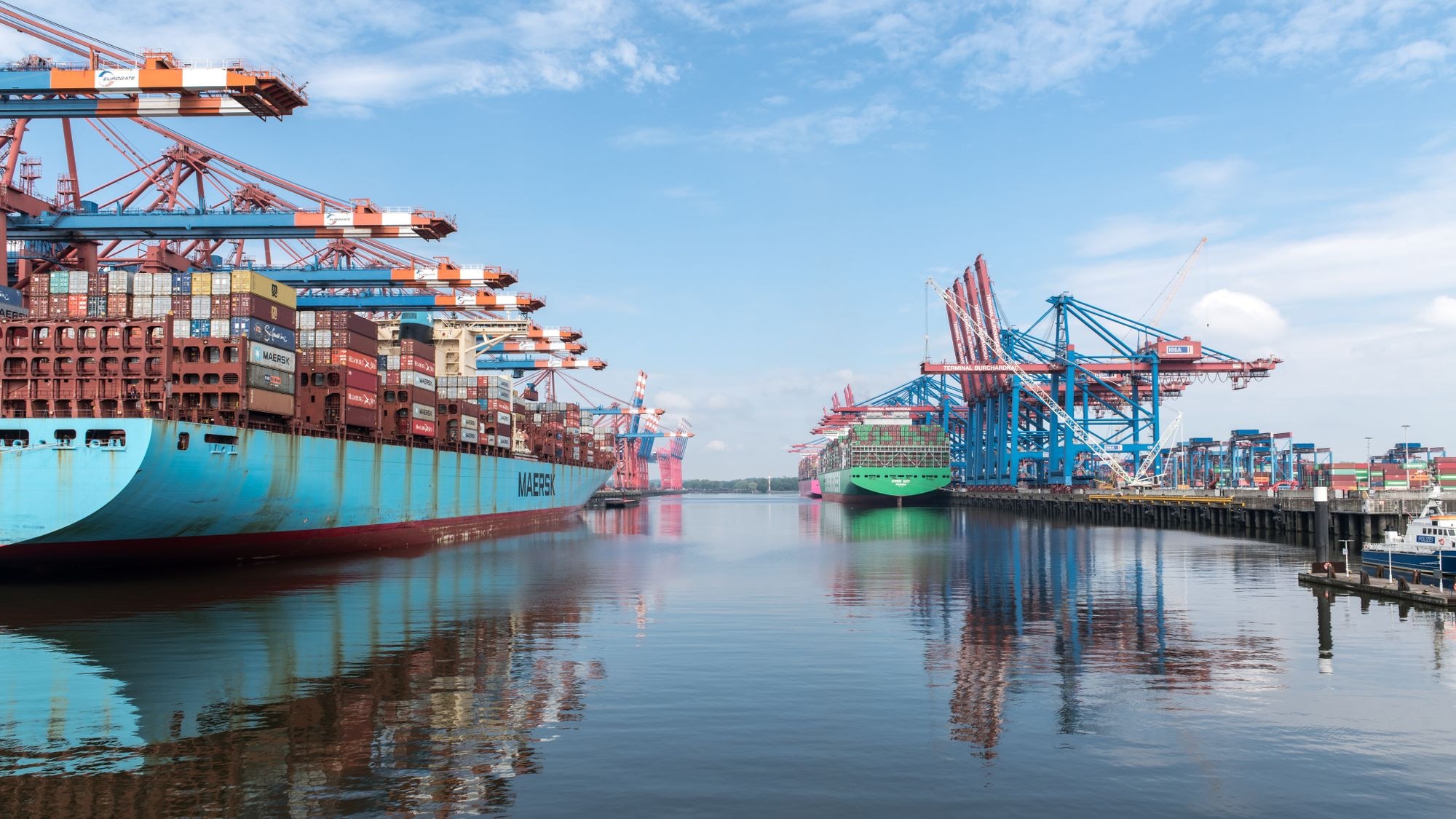
The short run that never stopped being short.
The water was never the problem. Florida to the Venezuelan coast is days, and the carriers that historically ran this trade from South Florida still publish the lane. What changed is which port receives and under what conditions.
Container origins
NY/NJ, Savannah, Miami, Houston, Long Beach, Seattle. Six warehouses, container loaded by our crew. Miami is the natural origin, with Houston as the Gulf alternative.
Container is the method for this lane today: fewer touches, sealed through the port transfer, and the right box for the documentation checks Venezuelan ports run.
Discharge at Puerto Cabello while La Guaira remains suspended. The quote names the port and the conditions it was priced against.
RoRo origins
Baltimore, Brunswick, Galveston, Jacksonville, Port Hueneme. Five RoRo terminals.
Quarter-tank fuel maximum per SOLAS rules on every booking.
RoRo service to Venezuela is unconfirmed until booked. The desk checks what is actually sailing before quoting it, and container carries the lane in the meantime.
US origins for this lane
| Origin | Method | Transit |
|---|---|---|
| NY/NJ | Container, via Florida consolidation | Quoted per routing |
| Savannah | Container, via Florida consolidation | Quoted per routing |
| Miami | Container | 5-10 days |
| Houston | Container, Gulf alternative | Quoted per routing |
| Long Beach | Container, via Florida consolidation | Quoted per routing |
| Seattle | Container, via Florida consolidation | Quoted per routing |
| Baltimore | RoRo, service unconfirmed until booked | Confirmed at quote |
| Brunswick | RoRo, service unconfirmed until booked | Confirmed at quote |
| Galveston | RoRo, service unconfirmed until booked | Confirmed at quote |
| Jacksonville | RoRo, service unconfirmed until booked | Confirmed at quote |
| Port Hueneme | RoRo, service unconfirmed until booked | Confirmed at quote |
Any origin can serve this lane. The desk quotes the routing that fits where your freight sits.
Two screens, one file.
A Venezuela file clears two systems: the US sanctions and export framework on our side, and SENIAT customs plus INTT homologation on the buyer's side. Both are workable. Neither is optional.
Required documents
Original title or bill of sale
Exception: vehicles 25+ years can ship under salvage certificate per US Customs rules. Otherwise, clean title required before booking.
Commercial invoice
Issued by Dapex on letterhead. Buyer or consignee, vehicle details, declared value, HBL number.
Packing list
Standard format. Critical when vehicles are co-loaded with personal effects in containers.
HBL
Consigned to the clearing agent; the agent must be a Venezuelan company, with no exceptions. Released after payment of the quoted amount.
What runs after the BL
Before booking: The screen
Consignee, notify party, and payment party screened against US sanctions lists. Ownership checked under the 50% rule for government touchpoints. Payment channel reviewed; government-controlled banks cannot be in the chain. Clean files confirm fast; a flagged file gets a straight answer. Current import treatment confirmed in writing with the destination broker.
At the port: Clears SENIAT, then homologates
The buyer's customs broker files the import declaration. Age verified against the five-year cap off the VIN. Duty by displacement, 16% VAT, and the SENIAT fee paid at clearance. INTT homologation and registration follow under Venezuelan rules. Dapex stops at port discharge and delivers the HBL on arrival.
What Dapex files, US side
AES filing with US Customs. ISF where required. HBL issuance under Dapex's NVOCC license. Commercial invoice and packing list on Dapex letterhead. Pre-alert pack to your clearing agent with all documents at vessel sailing.
5 years, clean, screened. The rest is confirmed first.
The envelope is narrower than the demand, and the desk's job is keeping your purchase inside it before the auction, not after.
Recent clean-title stock.
Gasoline cars, SUVs, and pickups up to five model-years old with clean titles, LHD, bought for a named private buyer. The duty math favors smaller engines: the 40% band starts above 2,100cc.
Salvage and resale plays.
Salvage and rebuilt titles are unconfirmed for Venezuelan homologation, and volume-for-resale conflicts with the non-commercial rule as written. Neither moves until the desk has written confirmation, and where the answer is no, we say it before you bid.
Same as every lane.
Clean title or salvage cert (25-year exception), no unreleased liens, no personal effects loose in RoRo. Sanctions screening on every file as standard.
What moves the rate on this lane.
Locked components stay locked. On this lane the pass-through side carries real variance, and we price it in the open rather than smoothing it over.
Our work, our cost.
- Warehouse operations
- Booking fee
- Documentation handling
- Dispatch coordination
- HBL issuance
Carrier and port-driven.
- Ocean freight (carrier-set)
- Routing and transshipment surcharges
- Fuel and bunker surcharges
- Origin port charges (container and RoRo)
- THC at discharge port
- Inland trucking to loading point
Service standards.
- Compliance
- Documentation accuracy
- Submission urgency
- Dispatch priority
Lane-specific drivers
War-risk insurance
Venezuela sits on the Joint War Committee listed areas, so marine cover carries a war premium priced to current conditions. It sits on the quote as its own line.
Port concentration
With La Guaira suspended, Puerto Cabello carries the diverted flow. Congestion and documentation checks move dwell times, and the quote is priced against the current port picture.
Duty by displacement
The 2025 tariff reform doubled the duty on gasoline cars above 2,100cc to 40% while smaller engines stay near 20%. Engine choice is the biggest single lever on the landed cost.
Regime volatility
The rules are functioning but young, and the transition government can move them with little notice. Every quote is built on a dated written confirmation of current treatment, and the booking runs on that confirmation.
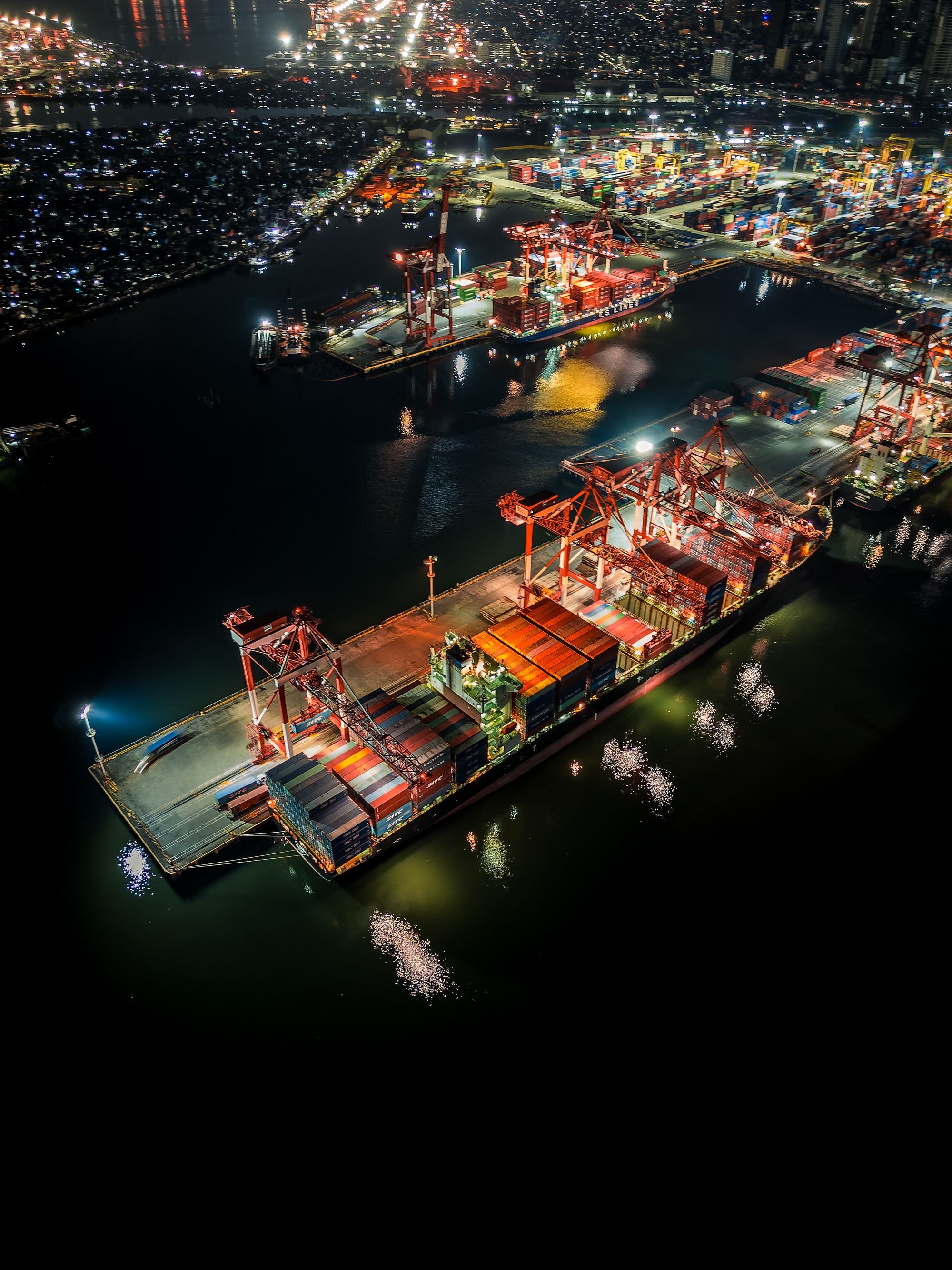
Who handles Venezuela accounts.
The Spanish-speaking desk runs every Venezuela file, and on this lane its first deliverables are the screen and the written confirmation.
Spanish-speaking Desk
Latin America and the Caribbean. Business hours across US Eastern and Latin American time zones, plus extended hours by request.
What the desk owns.
Quote signing, file management through BL, escalation on title or compliance issues, coordination with your destination agent or clearing agent. The desk lead's name and direct line are on every quote we send.
Things buyers ask about the Venezuela lane.
Yes, conditionally. Private imports of used vehicles up to five model-years old are legal under the rules in force since 2019, the ports are receiving non-sanctioned cargo, and carriers publish the lane from South Florida. Every file runs through screening and a written confirmation of current treatment before money moves.
Five model-years at import, and one vehicle per person every three years, non-commercial. The count runs off the VIN and the desk verifies it before you bid.
Puerto Cabello. La Guaira's container terminal has been suspended since the June 2026 earthquake, and carriers are diverting to Cabello. When La Guaira reopens, the quote names whichever port the booking is priced against.
Unconfirmed, and we treat that honestly. No source establishes how Venezuelan homologation treats a US salvage title, so the desk confirms it in writing with the destination broker before any salvage purchase. Do not buy salvage for Venezuela on an assumption.
Duty of roughly 20 to 40% depending on engine displacement, 16% VAT, the SENIAT fee near 1%, and a luxury surcharge on high-value vehicles. The desk quotes the stack per vehicle, confirmed against current practice, and no figure is binding until it is.
For a screened private buyer, yes. US sanctions on Venezuela are list-based, not a comprehensive embargo, and consumer exports to private parties are permitted when no sanctioned person or government touchpoint is in the chain. That is exactly what the screen checks, including the payment channel.
The rule as written is non-commercial: one vehicle per person every three years. How volume structures around that in current practice is unconfirmed, and the straight answer for a resale play may be no. Tell the desk your situation and we get the real answer from the destination side before you commit to anything.
War-risk insurance, port conditions, and a young regime all move. We would rather quote you the true current number than a stale one that changes after you commit. Same discipline as our Haiti lane.
The ocean leg from Florida has historically run five to ten days, confirmed against the live sailing on every quote. Clearance and homologation timing at destination is the variable, and we quote it as a range.
Thinking about the Venezuela lane?
Send the VIN, vehicle year, the buyer's situation, and their city to the Spanish-speaking desk. We run the screen, confirm current import treatment in writing, price the war-risk and the port picture as they stand, and tell you honestly whether the car and the plan fit the lane. That confirmation before your money moves is the service.