Central Asia / Uzbekistan
Auto export to Uzbekistan.
Uzbekistan is the biggest market in Central Asia by population and one of the most protected. For years the state walled off car imports to shield local Chevrolet production, with duties that ran past 100% of a car's value. That wall is coming down slowly, and a real import market is opening, strongest for newer cars, smaller engines, and electric. Uzbekistan is not in the customs union with Russia, so it's a genuine destination, not a side door. It's also doubly landlocked, so a US car reaches it through Kazakhstan, the same clean corridors we already run.
For reference purposes only. Regulations, policies, and procedures change constantly. Ensure you verify and validate all requirements for your specific shipments before initiating any.
The Uzbekistan lane, in four numbers.
Doubly landlocked, no seaport. A US car comes through Kazakhstan, off the Caspian or China corridor, then south to Tashkent.
Six container warehouses, five RoRo terminals. Containerized for the rail and road legs through Kazakhstan.
Kazakhstan transit time plus the road leg south to Tashkent. The desk prices it as a range.
Not EAEU. Uzbekistan's own duty, excise, 12% VAT, and a recycling fee. The duty still punishes older, larger cars.
An opening market that still taxes the wrong car hard.
Uzbekistan is liberalizing, but the protectionist structure hasn't gone away. The duty and recycling fee scale steeply with age and engine size, so the same auction that's a bargain for Georgia can be a dead weight here. The split below is the one that matters: the cars the new rules let through cheaply, and the cars the old wall still blocks.
Newer, smaller, electric.
Recent-build cars with modest engines carry the lightest duty and recycling fee, and electric cars get the strongest treatment of all: reduced or waived duty and a flat low recycling fee, plus a registration-tax break. This is where a US car lands competitively in Uzbekistan today.
- Recent model year, smaller displacement
- EVs and hybrids get the lightest fees
- 12% VAT on the landed value
- LHD, registered and kept in Uzbekistan
Older, bigger, thirstier.
An older car with a large engine carries the legacy protectionist load: a steep duty tied to age and displacement, an excise per cubic centimeter, and a heavier recycling fee. It can land at more than the car is worth. We run the numbers before you buy so a cheap auction car doesn't turn into an expensive mistake at Tashkent customs.
- Duty climbs with age and engine size
- Excise per cubic centimeter on top
- Heavier recycling fee on older units
- Often not worth importing, we'll tell you so
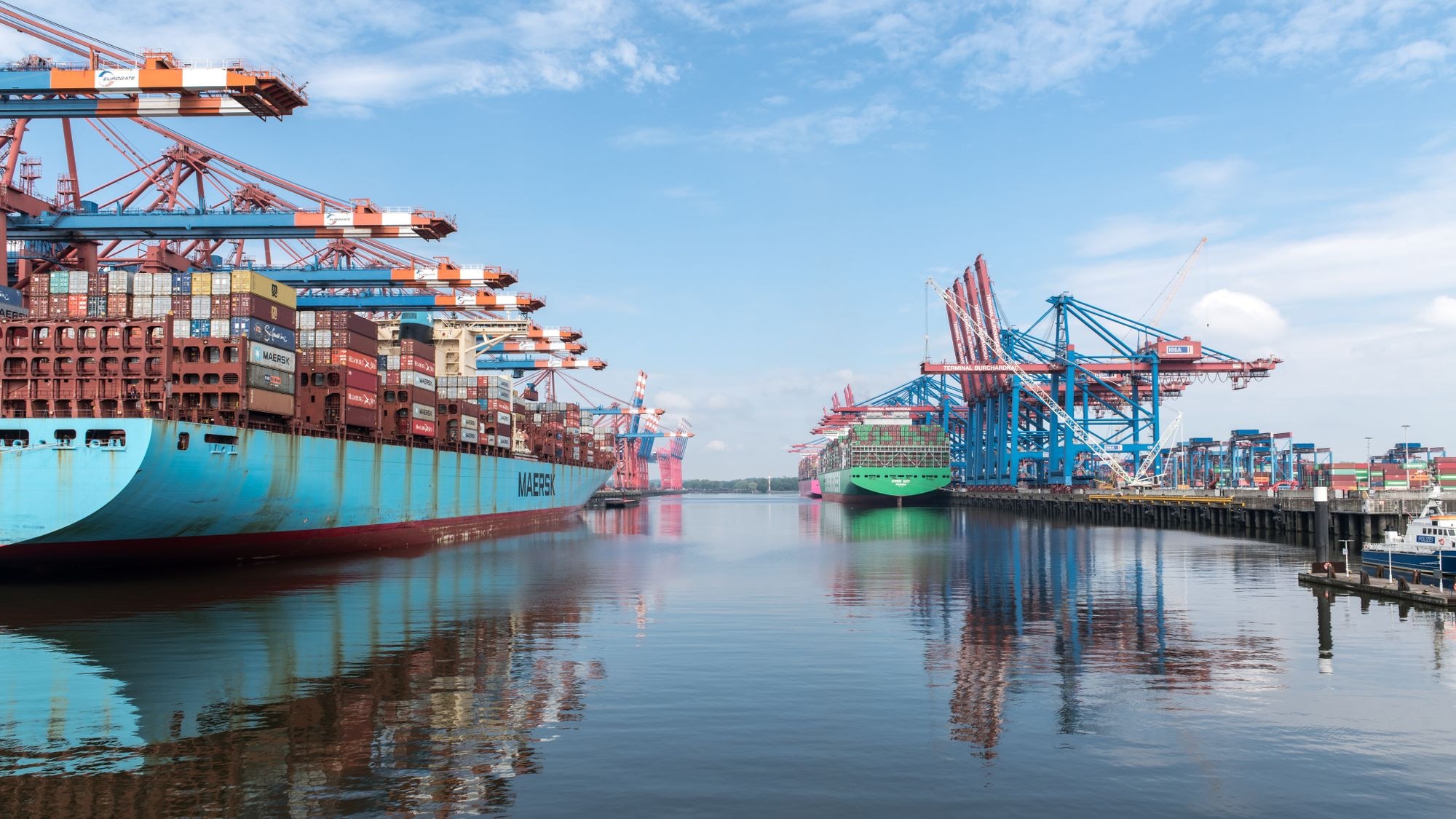
Doubly landlocked. Everything comes through Kazakhstan.
Uzbekistan is one of only two doubly landlocked countries on earth: every neighbor is itself landlocked. So a US car reaches it the same way it reaches Kazakhstan, then takes a road leg south to Tashkent. The corridors are the two clean ones we already run.
Through Kazakhstan
Load at one of six container warehouses: NY/NJ, Savannah, Miami, Houston, Long Beach, Seattle. Then one of the two clean corridors into Kazakhstan: the Caspian Middle Corridor through Poti, Azerbaijan, the Caspian ferry, and Aktau, or the China rail corridor through Lianyungang and the Khorgos crossing. From there, road or rail south to Tashkent.
Corridor choice: the same logic as Kazakhstan. East and Gulf Coast cars usually favor the Caspian; West Coast cars often favor China rail. The desk prices both.
Transit: roughly 45 to 65 days door to Tashkent, the Kazakhstan time plus the road leg.
The other ways, and what's coming
A car can also cross the Caspian to Turkmenbashi in Turkmenistan and come up through there, but Turkmenistan's transit rules make the Kazakhstan route simpler for most cars. The China-Kyrgyzstan-Uzbekistan railway, which broke ground in 2024, would one day give a more direct rail line from China. It's years off.
Not available: the Russia and Lithuania routes, which cross Russia or Belarus and are off-limits for a US forwarder.
Personal effects permitted in containers, not in RoRo.
Uzbekistan's own customs, and the tariff math up front.
Uzbekistan runs its own customs regime, not the EAEU's. There's no pre-shipment certification for used cars, but the duty structure is the thing to get right before you buy, because it's where a deal is made or lost. We file clean US-side paperwork and route the car through Kazakhstan with no Russia leg.
The clearance path
Pre-purchase tariff check
Before you commit, the desk works the duty, excise, recycling fee, and 12% VAT for the specific car with the clearing agent, so you see the landed cost at Tashkent rather than discovering it on arrival. On older, larger cars this is what decides whether to bid.
US-side preparation
AES filing, ISF where required, HBL issuance, commercial invoice, packing list. Clean title, or a salvage certificate where the car is sold and shipped as salvage. HBL consigned to the Uzbek buyer or their clearing agent.
Transit through Kazakhstan, no Russia leg
The Caspian or China corridor into Kazakhstan, then the road south to Tashkent. The bill of lading releases against payment. The car doesn't import into a transit country, it passes through to Uzbekistan.
Uzbek customs and registration
The car clears under Uzbekistan's tariff: duty by age and engine, an excise per cubic centimeter, 12% VAT, a customs processing fee, and a recycling fee scaled by age and displacement, with electric and hybrid cars on a flat low rate. Then the buyer registers and takes plates. LHD.
Required documents
Original title or salvage certificate
Clean title for a car that will register. Salvage certificate where the unit is sold and shipped as salvage for repair.
Commercial invoice on Dapex letterhead
Consignee, vehicle details, declared value, HBL number. The duty and recycling fee depend on accurate age and engine data.
Packing list
Standard format. Needed when personal effects are co-loaded in a container.
HBL
Consigned to the Uzbek buyer or their clearing agent. Released after payment of the quoted amount.
What Dapex files, US side
AES filing with US Customs. ISF where required. HBL under Dapex's NVOCC license, consigned to the Uzbek buyer or their clearing agent. Commercial invoice and packing list on Dapex letterhead. Title verification through our title team before pickup, and the tariff pre-check before purchase. Routing chosen to avoid any Russia or Belarus leg, with standard consignee screening. Pre-alert pack to the Kazakhstan transit handlers and the Tashkent clearing agent. The Russian-speaking desk owns the file end to end.
The tariff picks the winners.
In a market built around protecting local Chevrolet output, the imports that make sense are the ones the tariff treats lightly: newer, smaller, and electric. Older big-engine American cars rarely pencil out once the duty and recycling fee land.
Newer Toyota, Korean, and Chevrolet.
Recent Toyota Camry, Corolla, and RAV4. Hyundai and Kia. Chevrolet models that match what locals already drive and service. Practical, fuel-sensible cars for a large domestic market, repaired from US auction stock where the model year and engine keep the duty in range.
EVs and hybrids.
Electric and hybrid cars get the lightest treatment, a flat low recycling fee and reduced or waived duty, plus a registration-tax break. Uzbekistan is pushing electric hard, so a recent EV or hybrid is often the cleanest import on cost, as long as it's LHD.
Old big engines, and the rules.
Older large-displacement cars get taxed past the point of sense. Beyond that, the standing Dapex rules hold: clean title or salvage certificate (25-year US Customs exception), no unreleased liens, no personal effects loose in RoRo, no routing through Russia or Belarus. Quarter-tank fuel maximum on RoRo per SOLAS.
What moves the rate on this lane.
Two things drive the landed number: the corridor through Kazakhstan, and the Uzbek tariff stack at the end. On the wrong car, the tariff dwarfs the freight.
Our work, our cost.
- Warehouse operations
- Booking fee
- Documentation handling
- Title verification
- Routing and corridor selection
- HBL issuance
- Tariff pre-check
Carrier and routing-driven.
- Ocean freight (carrier-set)
- Fuel and bunker surcharges
- Caspian ferry or China rail charges
- Port and crossing handling
- Overland through Kazakhstan
- Road leg to Tashkent
- Inland trucking to loading point
Service standards.
- Compliance
- Documentation accuracy
- Submission urgency
- Dispatch priority
Lane-specific drivers
The tariff is the deal
Duty by age and engine, excise per cubic centimeter, 12% VAT, and the recycling fee together decide whether a car is worth importing. On a newer small car or an EV they're manageable; on an older V6 or V8 they can exceed the car's value. The pre-purchase number is the single most important step on this lane.
Corridor choice by US coast
An East Coast car usually lands cheaper on the Caspian corridor; a West Coast car often does better on China rail. The desk prices both and picks the winner.
The road leg to Tashkent
Every shipment carries the Kazakhstan freight plus the road south, with a few extra days. We price it into the door-to-Tashkent number.
The electric incentive
A qualifying EV or hybrid skips most of the tariff load, which can swing the landed cost more than any freight choice. Worth checking before defaulting to a conventional car.
Title quality
The buyer runs their own VIN check, so we verify title before pickup and flag any branded history in advance.
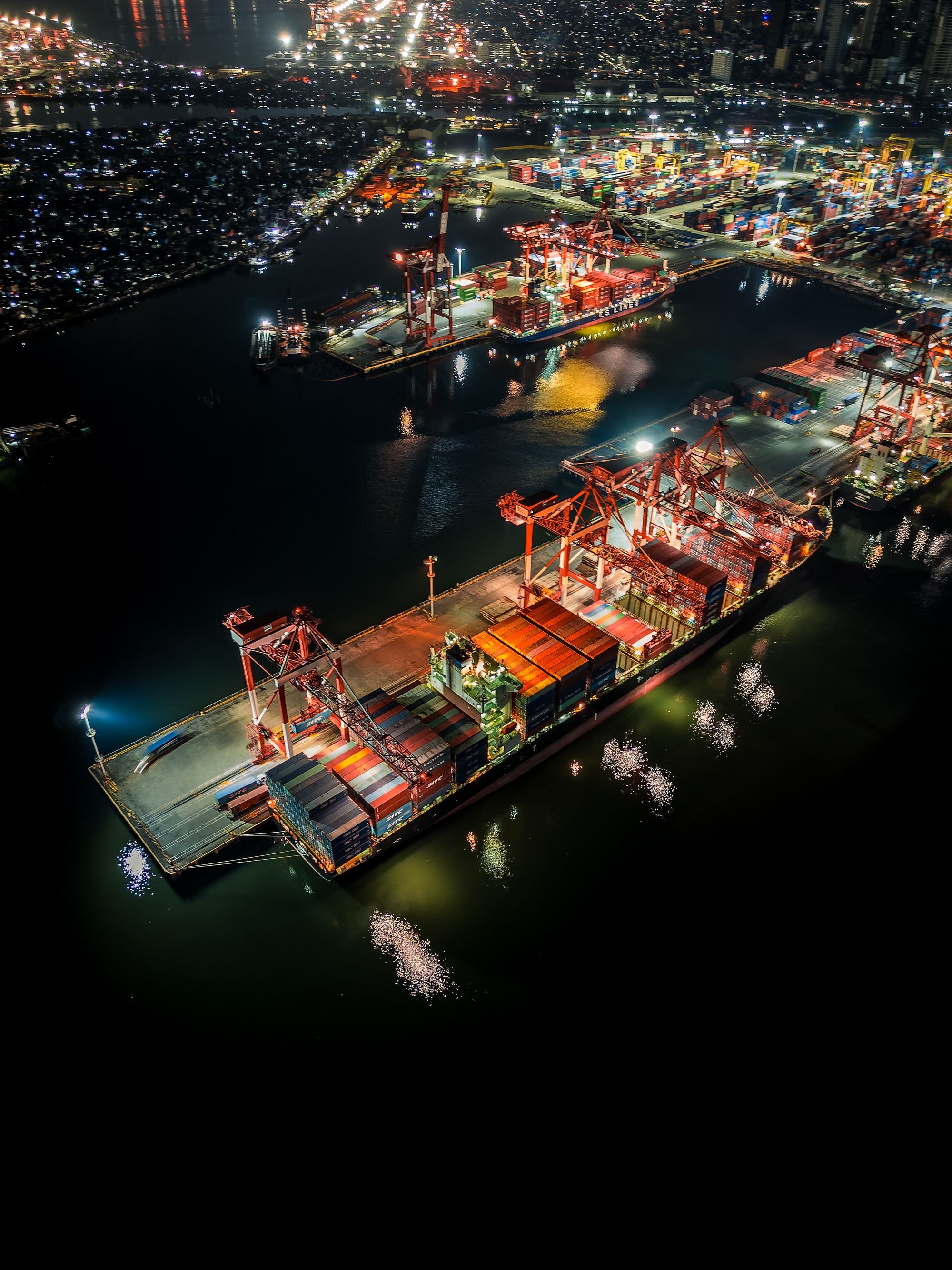
Who handles Uzbekistan accounts.
The Russian-speaking desk runs every Uzbekistan account. It works the tariff math, chooses the corridor through Kazakhstan, coordinates the handlers and the Tashkent clearing agent, and runs the EV question.
Russian-speaking Desk
Uzbekistan, Kazakhstan, Kyrgyzstan, Tajikistan, Turkmenistan, Georgia, Armenia, Azerbaijan, and the wider CIS. Business hours bridging US and Central Asian time zones, plus extended hours by request. Uzbek and Russian coordination through partner clearing agents in Tashkent.
What the desk owns.
The tariff pre-check before purchase, the part that matters most here. Corridor call through Kazakhstan: Caspian versus China rail. File management through BL. Title verification before pickup. The EV and hybrid question. Kazakhstan transit handler and Tashkent clearing agent coordination. Clean routing, no Russia or Belarus leg, with standard screening. Escalation on customs holds.
Things buyers ask about the Uzbekistan lane.
Through Kazakhstan. Uzbekistan is doubly landlocked, so there's no closer sea route. The car takes one of the two clean corridors into Kazakhstan, the Caspian Middle Corridor through Poti and Aktau, or the China rail corridor through Lianyungang and Khorgos, then a road leg south to Tashkent.
Because Uzbekistan built its car policy around protecting local Chevrolet production. Duty scales with age and engine size, with an excise per cubic centimeter and a recycling fee on top, so older and larger cars get hit hardest. The rules are loosening, especially for newer and electric cars, but the structure is still protectionist. The desk runs the exact number before you buy.
Newer, smaller, and electric. A recent Camry, Corolla, RAV4, or a Hyundai or Kia keeps the duty in range, and an EV or hybrid gets the lightest treatment of all, with reduced or waived duty, a flat low recycling fee, and a registration-tax break. An older big-engine car usually doesn't pencil out once the tariff lands.
No, and that's a point in its favor. Uzbekistan isn't in the Eurasian customs union, so a car cleared in Tashkent doesn't get a free road into Russia. The leakage risk that makes us screen Kazakhstan and Kyrgyzstan so hard is much smaller here. We still route clean and screen as standard, but Uzbekistan is a genuine destination market.
For a qualifying car, yes. Uzbekistan is pushing electric, so EVs and hybrids carry a flat low recycling fee and reduced or waived duty, plus a registration-tax break. That can swing the landed cost more than the freight does. The desk confirms the current treatment before quoting.
Left-hand drive. Uzbekistan drives on the right, and US auction cars are LHD, so this isn't usually an issue on the US lane.
No. Both cross Russia or Belarus, and a US-licensed forwarder can't move cargo across either. We route through Kazakhstan on the Caspian or China corridor. It costs more and takes longer, and it keeps the chain clean.
Roughly 45 to 65 days door to Tashkent, the Kazakhstan transit time plus the road leg south. Gulf and West Coast origins vary with the corridor. The desk gives current numbers on the quote, since the Caspian ferry and the China crossings both move.
Ready to ship to Uzbekistan?
Send VIN, lot number, vehicle year, engine size, whether it's an EV or hybrid, and the US loading point to the Russian-speaking desk. We'll run the Uzbek tariff before you buy, price both corridors, verify the title, and quote door to Tashkent.