Central Asia / Turkmenistan
Auto export to Turkmenistan.
Turkmenistan is the one Central Asian country that's easy to reach and hard to enter. It sits on the Caspian with its own port at Turkmenbashi, so a car can ferry there directly, the simplest routing in the region. The problem is the other end. Turkmenistan is one of the most closed countries in the world, and private car imports are tightly controlled: an individual generally can't import a car without government permission, and a string of rules govern what's even allowed on the road, including the well-known white-cars-only rule in the capital. We'll be straight with you. For most requests, the honest answer here is no.
For reference purposes only. Regulations, policies, and procedures change constantly. Ensure you verify and validate all requirements for your specific shipments before initiating any.
The Turkmenistan lane, in four numbers.
The only Central Asian country with its own Caspian port. Ferry from Baku or Alat, then road to Ashgabat.
Six container warehouses, five RoRo terminals. The US-side and Caspian legs are the straightforward part.
Routing-wise the shortest Central Asia lane. Clearance, not transit, is the variable here.
Not EAEU. Private import generally needs government permission, plus strict rules on color, body type, and engine.
A market that mostly says no.
Most country pages tell you how to get a car in. This one is mostly about why you usually can't. Turkmenistan controls private car imports tightly, and the permission to bring one in sits with the buyer and the state, not with us. We can deliver to Turkmenbashi. Whether a car clears is a different question, and we won't pretend otherwise.
A permitted car, to the port.
If the buyer already holds the government permission to import, and the car fits Turkmenistan's rules, white or silver, a normal body type, within the engine limits, then Dapex can carry it to Turkmenbashi by the Caspian ferry. The buyer or their agent handles clearance and registration with their permit. We move the freight to the port; the entry is on their authorization.
- Buyer holds the import permission first
- White or silver, standard body, within engine limits
- We deliver to Turkmenbashi, LHD
- Clearance and registration are the buyer's, on their permit
Almost everything else.
No permission, no shipment. Beyond that, the rules rule out a lot: dark-colored cars are barred from the capital, and so are coupes and supercars, tinted windows, and engines above the size limits, with cars also required to be kept clean. A standard US auction car, especially a dark one or a big-engine model, often can't legally end up on the road in Ashgabat. We don't book a car we don't believe can clear and register.
- No import without government permission
- Dark colors barred in the capital
- No coupes, supercars, tinted glass, oversized engines
- We say no rather than ship a car that can't clear
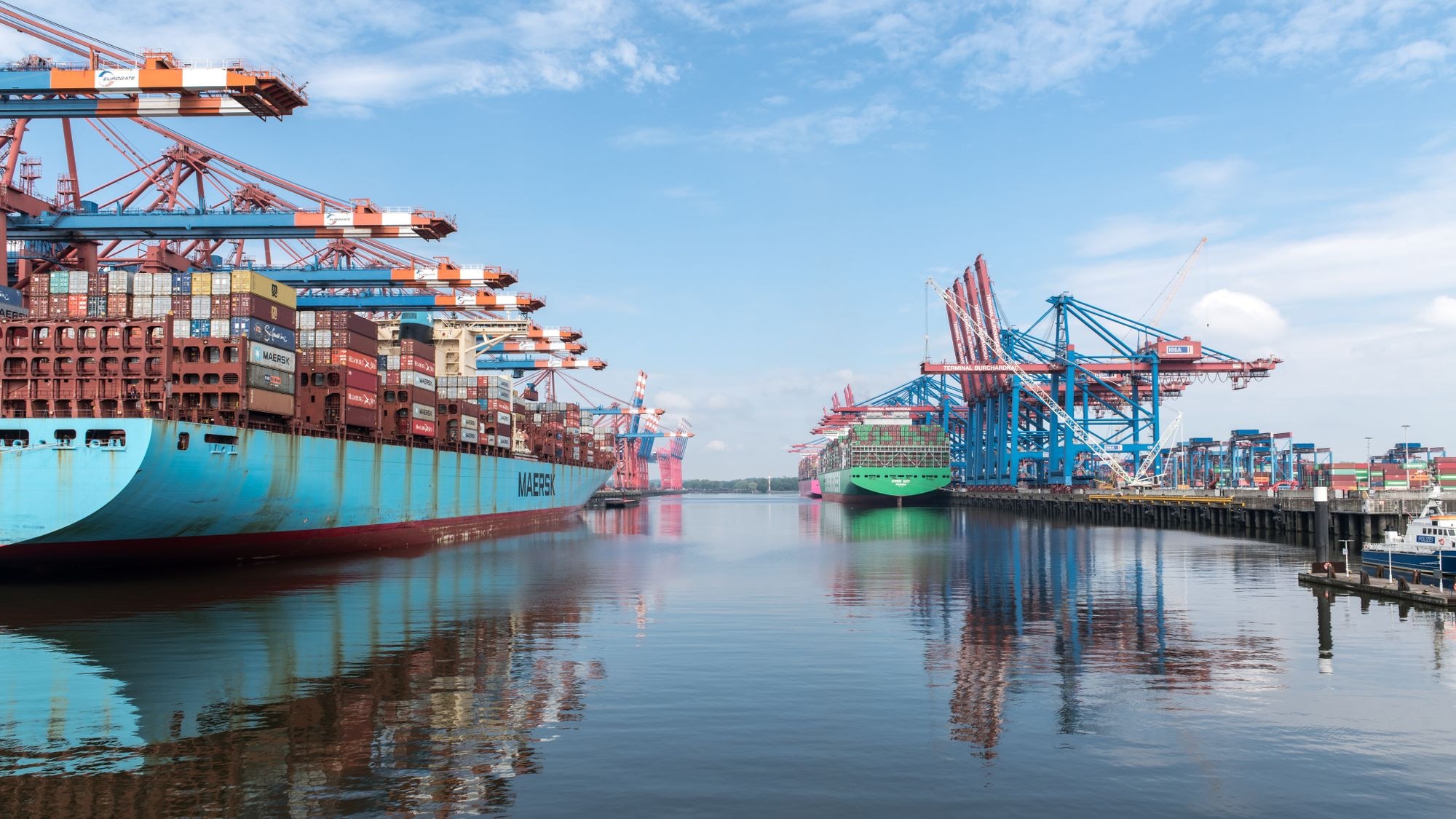
The easy part: getting it to the port.
Turkmenistan is the only Central Asian country with a Caspian coastline and a working car gateway, so the freight is the simplest in the region. The car crosses the Caspian directly to Turkmenbashi. Everything difficult about this lane happens after the port, not before it.
The Caspian route to Turkmenbashi
Load at one of six container warehouses, sail to Poti in Georgia, road to the Azerbaijani coast at Baku or Alat, then the Caspian ferry directly to Turkmenbashi. From the port it's a road leg to Ashgabat. No second country to cross on the far side, unlike the other Central Asia lanes.
Routing: the same clean Middle Corridor we run elsewhere, just landing at Turkmenbashi instead of Aktau. No Russia, no Suez, no Red Sea.
Transit: roughly 40 to 55 days to Turkmenbashi, the shortest Central Asia routing. The wait that matters is permission, not freight.
What we don't do
We don't route through Russia or Belarus, the usual cheaper way, because a US forwarder can't. And we don't carry a car into Turkmenistan on spec, hoping it clears. The permission has to exist before the car ships, or the car can end up stuck at the port.
The China rail corridor that serves the rest of Central Asia doesn't help here, since Turkmenistan's entry is gated by permission, not by which corridor the car took.
Personal effects permitted in containers, not in RoRo.
Permission first, then the usual paperwork.
On every other lane, the documents are the work. Here, the permission is the work, and it's the buyer's to obtain. Without it, the rest doesn't matter. With it, our US-side paperwork is the same as anywhere.
The clearance path
The buyer's import permission
Before anything ships, the buyer needs the government permission to import the car, and a car that fits the rules on color, body type, and engine. This step sits entirely with the buyer and the Turkmen authorities. We can't obtain it and we won't ship without it.
US-side preparation
Once permission is confirmed: AES filing, ISF where required, HBL issuance, commercial invoice, packing list. Clean title. HBL consigned to the permitted buyer or their clearing agent.
Caspian transit to Turkmenbashi
Sea to Poti or Batumi, road to Baku or Alat, ferry to Turkmenbashi. The bill of lading releases against payment. No Russia or Belarus leg.
Clearance and registration
The buyer clears and registers the car under their permission and Turkmenistan's own duty and VAT. Color, body, and engine rules apply, strictly in the capital. LHD.
Required documents
Proof of import permission
The buyer's government authorization to import. We confirm this exists before booking.
Original title
Clean title for the car being imported.
Commercial invoice on Dapex letterhead
Consignee, vehicle details, declared value, HBL number.
HBL
Consigned to the permitted buyer or their clearing agent. Released after payment of the quoted amount.
What Dapex files, US side
Once the buyer's permission is confirmed: AES filing with US Customs, ISF where required, HBL under Dapex's NVOCC license consigned to the permitted buyer, and commercial invoice and packing list on Dapex letterhead. Title verification before pickup. Clean routing to Turkmenbashi with no Russia or Belarus leg, and standard screening. The Russian-speaking desk owns the file, and will tell you up front if a request isn't workable.
A short list of yes, a long list of no.
The honest summary of this market is that very little US auction stock fits it. The cars that can work are narrow, and the rules do most of the filtering before freight even enters the picture.
White or silver, standard, permitted.
A white or silver sedan or standard SUV, within the engine limits, for a buyer who holds the import permission. Practical Toyota and similar models fit the rules best. Even then, it ships only once the permission is confirmed.
Color, body, and engine rules.
Dark-colored cars are barred from the capital. So are coupes, supercars, tinted windows, and engines above the limits. A typical dark or sporty or big-engine US car simply can't end up on the road in Ashgabat, whatever the freight.
Ship on spec, or guess.
We won't carry a car without confirmed permission, and we won't promise an outcome the government controls. Standing Dapex rules also hold: clean title, no unreleased liens, no personal effects loose in RoRo, no routing through Russia or Belarus. Quarter-tank fuel maximum on RoRo per SOLAS.
What moves the rate on this lane.
The freight to Turkmenbashi is simple to price. The real variable isn't a number we quote, it's whether the car is allowed in at all, which is settled before we book.
Our work, our cost.
- Warehouse operations
- Booking fee
- Documentation handling
- Title verification
- Routing to Turkmenbashi
- HBL issuance
- Sanctions screening
Carrier and routing-driven.
- Ocean freight (carrier-set)
- Fuel and bunker surcharges
- Caspian ferry charges
- Port handling at Poti and Turkmenbashi
- Road leg to Ashgabat
- Inland trucking to loading point
Service standards.
- Compliance
- Documentation accuracy
- Honesty about what won't work
- Dispatch priority
Lane-specific drivers
Permission decides everything
The single biggest factor isn't freight, it's whether the buyer holds the import permission and the car fits the rules. Both are settled before we quote a shipment, because there's no point pricing a car that can't enter.
Simple freight to the port
Once a car is cleared to ship, the Caspian route to Turkmenbashi is the most direct in the region, with no second overland country. The freight is the easy part to price.
Rules can change
Turkmenistan's import rules shift at the government's discretion, sometimes with little notice. We confirm the current position with the buyer's agent before booking rather than relying on what was true last quarter.
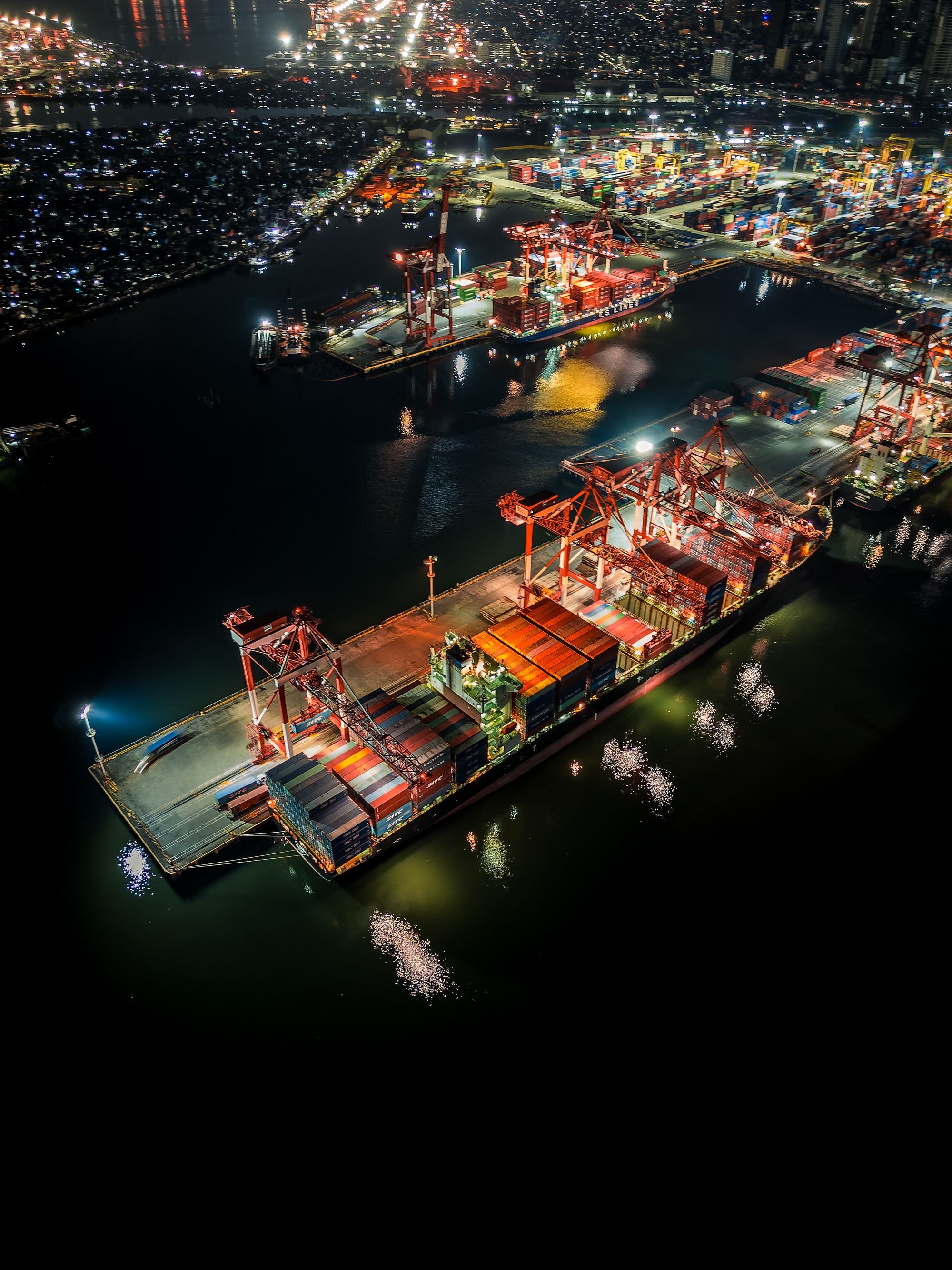
Who handles Turkmenistan accounts.
The Russian-speaking desk handles Turkmenistan inquiries, and its first job is an honest read on whether a request is workable. If it is, the desk runs the Caspian routing to Turkmenbashi. If it isn't, it says so early.
Russian-speaking Desk
Turkmenistan, Uzbekistan, Kazakhstan, Kyrgyzstan, Tajikistan, Georgia, Armenia, Azerbaijan, and the wider CIS. Business hours bridging US and Central Asian time zones, plus extended hours by request. Turkmen and Russian coordination through partner agents where they exist.
What the desk owns.
An early, honest read on whether the import is possible. Confirming the buyer's permission and that the car fits the color, body, and engine rules before booking. The Caspian routing to Turkmenbashi. File management through BL. Title verification before pickup. Clean routing, no Russia or Belarus leg. Saying no, clearly, when a request can't clear.
Things buyers ask about the Turkmenistan lane.
Usually not. Turkmenistan controls private car imports tightly, and as a rule an individual can't import a car without government permission. That permission sits with the buyer and the authorities, not with us. If you don't have it, that's the first thing to sort out, and it isn't something a forwarder can arrange for you.
Yes. In the capital, Ashgabat, dark-colored cars are barred and white or silver is effectively required, and owners of other colors have been made to repaint. There are also rules against coupes, supercars, tinted windows, and oversized engines, and a requirement to keep cars clean. It sounds unusual, but it's enforced, so it shapes what's even worth shipping.
If a buyer holds the import permission and has a car that fits the rules, white or silver, standard body, within the engine limits, we can carry it across the Caspian to Turkmenbashi, the same clean Middle Corridor we run elsewhere. The buyer handles clearance and registration on their permit. We move the freight to the port; we don't control the entry.
Because Turkmenistan is the only Central Asian country with its own Caspian port. A car can ferry straight to Turkmenbashi from Azerbaijan, with no second overland country to cross, which makes the routing the simplest in the region. The difficulty is entirely on the clearance side, not the freight side.
No. Turkmenistan isn't in the Eurasian customs union, and its borders are tightly controlled, so it isn't a sanctions side door. We still route clean with no Russia or Belarus leg, but the leakage concern that drives our screening on Kazakhstan and Kyrgyzstan isn't the issue here. The closed import regime is.
Because we'd rather tell you no early than take your money and leave a car stuck at the port. The rules are strict, they change at the government's discretion, and the permission is out of our hands. We'd rather be the forwarder that gives you a straight answer than one that ships on hope.
Left-hand drive. Turkmenistan drives on the right, and US auction cars are LHD, so on the rare car that fits the other rules, drive side isn't the problem.
If a car is cleared to ship, roughly 40 to 55 days to Turkmenbashi, the shortest Central Asia routing. But the real timeline is the permission, which is the buyer's to secure and which we don't control. The desk gives current freight numbers once a shipment is workable.
Thinking about Turkmenistan?
Talk to the desk before you buy anything. Tell us whether the buyer holds the import permission and what the car is, and we'll give you an honest read on whether it can clear and what we can carry to Turkmenbashi. No permission, no shipment, and we'd rather say that now than later.