Middle East / Qatar
Auto export to Qatar.
Qatar is a wealthy GCC market with a deepwater gateway at Hamad Port. The framework is the Gulf standard, and Qatar is one of two GCC states with no VAT yet, so the headline charge is a clean 5% customs duty on CIF with GCC conformity. Qatar's specific gate is a FAHES inspection that issues the Certificate of Conformity before registration, plus a 5-year age cap and a salvage prohibition. Registration is LHD. As across the Gulf, a large share of US cars reach Qatar through UAE free-zone re-export, which is a UAE service, not Qatar's, and we keep the two separate.
For reference purposes only. Regulations, policies, and procedures change constantly. Ensure you verify and validate all requirements for your specific shipments before initiating any.
The Qatar lane, in four numbers.
Hamad Port is Qatar's deepwater gateway, south of Doha. Direct ocean call from the US, container and RoRo. No transit country.
Six container warehouses, five RoRo terminals. RoRo for running cars; container for high-value units.
East Coast to Qatar via Suez, longer from the West Coast. The Gulf rotation sets the range. The desk quotes current.
5% duty on CIF, GCC conformity, plus the FAHES inspection and Certificate of Conformity. 5-year cap. Salvage prohibited. LHD.
A premium market with a clear inspection gate.
Qatar buys recent, high-specification American vehicles, and the FAHES inspection is the step that everything hinges on: no Certificate of Conformity, no registration. The 5-year cap and salvage ban define eligibility. The direct call to Hamad Port is the Dapex lane; the UAE free-zone route is a UAE service.
US to Hamad Port.
A recent, clean-title US car sails direct to Hamad Port, clears at 5% duty under GCC conformity, passes the FAHES inspection for its Certificate of Conformity, and registers. Inside the 5-year cap, LHD, no salvage. This is the lane.
- 5% duty on CIF, GCC conformity
- FAHES inspection, Certificate of Conformity
- 5-year cap on passenger cars
- LHD, salvage prohibited
Cars via a UAE free zone.
As across the Gulf, many US cars reach Qatar after a UAE free-zone stop and a trader's re-export, often shipped Jebel Ali to Hamad in days. Dapex's part ends at UAE discharge. If that's the plan, the Dapex booking is a UAE shipment, and we point you at the UAE page.
- UAE free-zone re-export is common
- That's a UAE service, not a Qatar one
- Dapex's BL ends at UAE discharge
- We point you at the UAE quote
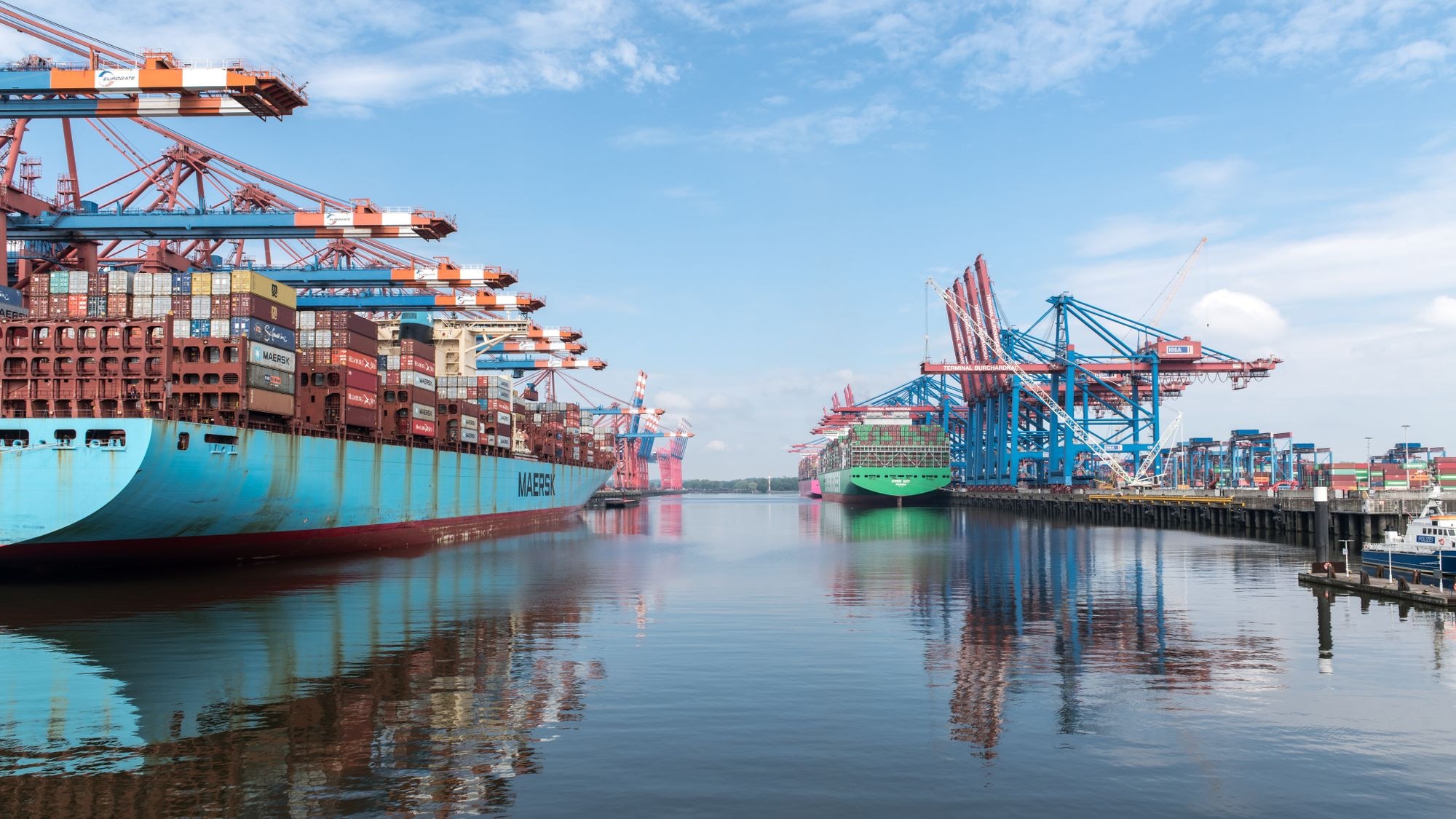
A direct ocean call to Hamad Port.
The car sails from the US to Hamad Port and clears there. The US-side operation is the same as our other Gulf lanes. The FAHES inspection and the 5-year cap are what decide which cars are worth shipping.
Container origins
Load at one of six container warehouses: NY/NJ, Savannah, Miami, Houston, Long Beach, Seattle. Container suits high-value, luxury, and performance cars, or anything co-loaded with parts. Count per 40HC depends on the mix: four is typical, five when the cars are small, three when they're full-size, and our crews load for the best safe fit. Carriers on the Gulf lane include Maersk, MSC, CMA CGM, and Hapag-Lloyd, via Suez.
Transit: roughly 30 to 45 days from the East Coast via Suez, longer from the West Coast.
Customs: 5% duty on CIF, GCC conformity, paid at Hamad Port, with FAHES to follow.
RoRo origins
Five RoRo terminals: Baltimore, Brunswick, Galveston, Jacksonville, Port Hueneme. RoRo is the common, cheaper choice for a running car. Lines include Hoegh, Wallenius, and K Line. Quarter-tank fuel maximum per SOLAS rules.
Not carried: salvage and rebuilt cars, which Qatar prohibits, plus RHD and anything over the 5-year cap.
Personal effects permitted in containers, not in RoRo.
GCC customs at Hamad, then FAHES.
Qatar follows the GCC framework, 5% duty and conformity, with the FAHES inspection as the registration gate. The other gates are the 5-year cap and the salvage prohibition. Eligibility and likely FAHES outcome are the things to screen before purchase.
Two Qatar-specific rules
Any automobiles with age above 5 years from the manufacturing date is not acceptable for import into Qatar unless the customer gives in writing that they have the necessary approvals from the authorities to import automobiles over 5 years old.
Multiple cars/owners in one container is acceptable, provided each car/owner is manifested separately (1 car/owner = 1 bill of lading). Split B/Ls with different consignee is allowed and the actual car owner is to be indicated as consignee in each BL. Delivery orders must be collected together and customers or their agent coordinate directly with the port for LCL delivery and settle additional charges directly to the port.
The clearance path
Pre-purchase eligibility check
The desk confirms the car is inside the 5-year cap, LHD, clean-title, and GCC-conforming, works the 5% duty on CIF, and flags any specification or cooling issue likely to trouble the FAHES inspection.
US-side preparation
AES filing, ISF where required, HBL issuance, commercial invoice, packing list. Clean title. HBL consigned to the Qatari buyer or their clearing agent.
Customs at Hamad Port
The car clears at 5% duty under GCC conformity. The bill of lading releases against payment. A Qatari clearing agent files the entry.
FAHES inspection and registration
The car passes the FAHES inspection and receives its Certificate of Conformity, then the buyer registers and takes plates. LHD. US-spec cars may need lighting, cooling, or specification adjustments to pass.
Required documents
Original clean title
Clean title required; Qatar prohibits salvage and rebuilt cars.
Commercial invoice on Dapex letterhead
Consignee, vehicle details, declared value, HBL number. The CIF value drives the 5% duty.
Certificate of origin and conformity
Certificate of origin and the GCC-spec or conformity documentation, with the FAHES Certificate of Conformity issued at destination.
HBL
Consigned to the Qatari buyer or their clearing agent. Released after payment of the quoted amount.
What Dapex files, US side
AES filing with US Customs. ISF where required. HBL under Dapex's NVOCC license, consigned to the Qatari buyer or their clearing agent. Commercial invoice and packing list on Dapex letterhead. Title verification through our title team before pickup, and the eligibility-plus-duty pre-check, with a FAHES-readiness flag, before purchase. Standard consignee screening. Pre-alert pack to the Hamad Port clearing agent. Where a buyer's real plan is a UAE free-zone re-export, we say so and the booking becomes a UAE shipment, screened against the UAE trader on our BL.
What sells into Qatar.
Qatar's taste runs to recent, high-specification SUVs, luxury, and performance cars. The gates mean the lane is clean, late-model stock that can pass FAHES: no salvage, nothing over 5 years, LHD only.
Luxury SUVs and performance.
Toyota Land Cruiser, Cadillac Escalade, Chevrolet Tahoe and Suburban, GMC Yukon, Nissan Patrol, Ford F-150, plus luxury and performance models. Recent, high-spec American vehicles for a wealthy market.
Premium sedans and EVs.
Late-model premium sedans and a growing interest in electric, where the specification suits Qatar's buyers. Recent, clean-title, inside the cap, and able to pass FAHES.
Salvage, RHD, old cars.
Qatar prohibits salvage and rebuilt cars, bars RHD, and caps age at 5 years. We also don't dress up a UAE re-export as a Qatar routing. Beyond that, the standing rules hold: clean title (25-year US Customs exception), no unreleased liens, no personal effects loose in RoRo. Quarter-tank fuel maximum on RoRo per SOLAS.
What moves the rate on this lane.
A clean ocean lane through Suez with a flat 5% duty. The variables are the carrier market, the container-versus-RoRo choice, and the FAHES readiness that decides whether a car registers without rework.
Our work, our cost.
- Warehouse operations
- Booking fee
- Documentation handling
- Title verification
- HBL issuance
- Eligibility and FAHES-readiness check
Carrier and routing-driven.
- Ocean freight (carrier-set)
- Fuel and bunker surcharges
- Suez and Gulf routing
- Hamad Port handling
- Container versus RoRo choice
- Inland delivery within Qatar
Service standards.
- Compliance
- Documentation accuracy
- Submission urgency
- Dispatch priority
Lane-specific drivers
The flat 5% duty
The GCC common tariff keeps the duty predictable at 5% of CIF. The all-in cost is mostly freight, not a heavy tax stack.
FAHES readiness
A US-spec car sometimes needs cooling, lighting, or specification work to pass FAHES and earn its Certificate of Conformity. We flag likely issues before purchase so registration doesn't stall.
Container versus RoRo
A running car usually lands cheapest on RoRo. High-value, luxury, and performance cars often go container. The desk prices both.
Title quality
Qatar bars salvage, so clean title is non-negotiable. We verify before pickup and won't ship a branded car on this lane.
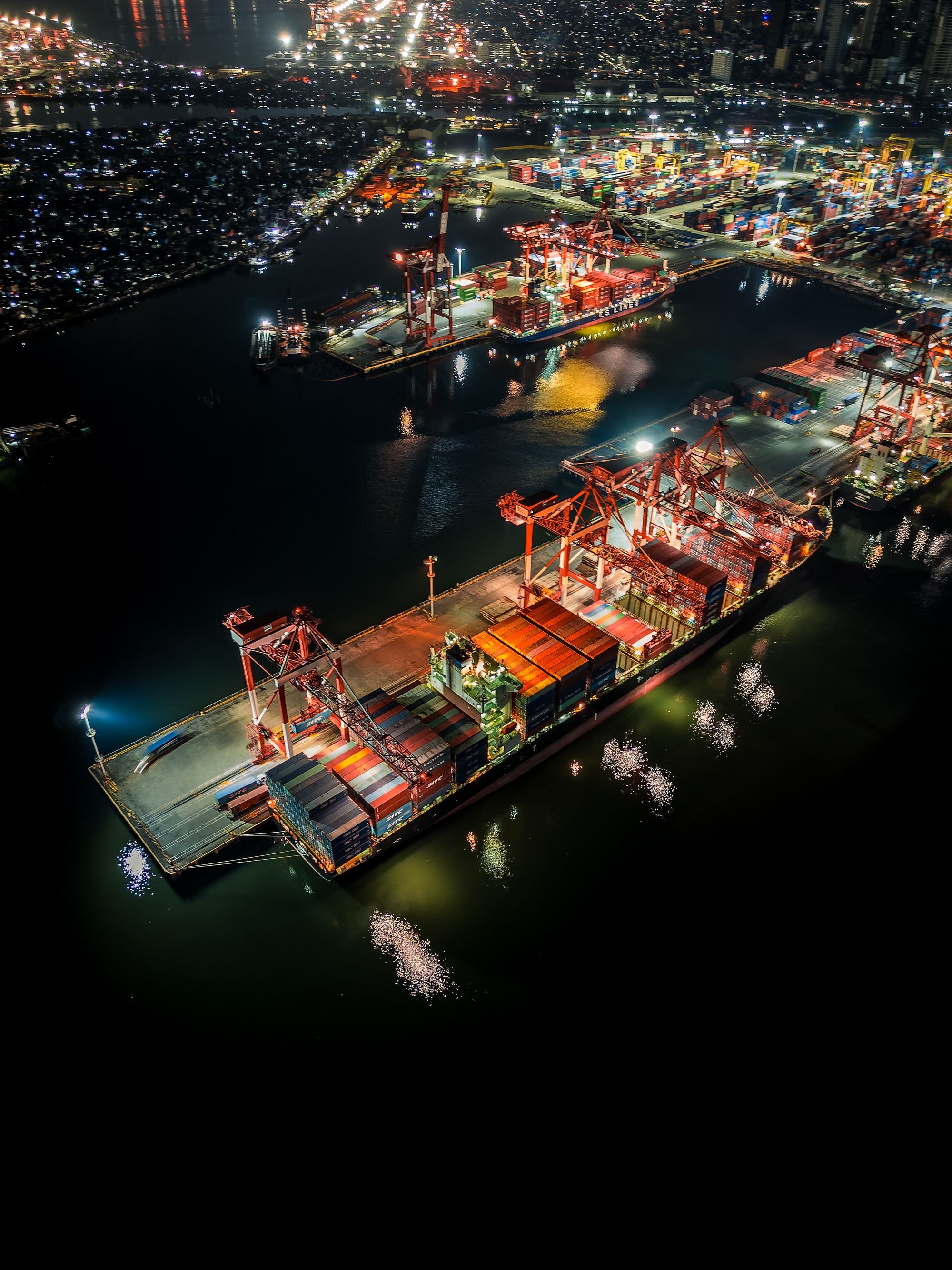
Who handles Qatar accounts.
The Arabic-speaking desk runs every Qatar account. It checks eligibility and FAHES readiness, works the duty, and gives the honest redirect to the UAE page when the real plan is a free-zone re-export.
Arabic-speaking Desk
Qatar, UAE, Saudi Arabia, Jordan, Iraq, Yemen, Lebanon, Kuwait, Bahrain, Oman, and the wider Arabic-speaking markets. Sunday to Thursday business hours in Arabia Standard Time, plus extended hours by request. Hamad Port clearing-agent coordination on Dapex's Qatar files.
What the desk owns.
Eligibility check against the 5-year cap, drive side, title, and GCC conformity, plus a FAHES-readiness flag, before quoting. The 5% duty pre-check. File management through BL. Title verification before pickup. Container-versus-RoRo call. The honest redirect to the UAE page when the plan is a free-zone re-export. Escalation on customs, FAHES, or inspection holds.
Things buyers ask about the Qatar lane.
Hamad Port, Qatar's deepwater gateway south of Doha. It's a direct ocean call from the US, container or RoRo, with no transit country.
FAHES is Qatar's vehicle inspection. Every imported car has to pass it and receive a Certificate of Conformity before it can register. A US-spec car sometimes needs cooling, lighting, or specification work to pass, so we flag likely issues before you buy.
Five years for passenger cars, counted in descending order excluding the current year, with classics over 30 years also allowed. The desk confirms a car is inside the window before you buy.
The GCC common tariff: 5% duty on the CIF value, plus GCC conformity and the FAHES inspection. Qatar has no VAT yet, so there's no consumption tax on top, and no heavy pre-shipment regime, which keeps the landed cost mostly freight plus the flat duty.
No. Qatar prohibits salvage, rebuilt, and accident-damaged cars. The lane is clean-title only, and we verify history before pickup.
That's often how the market moves, Jebel Ali to Hamad in days, but it's a UAE service. When Dapex delivers to a UAE free-zone trader, our BL ends in the UAE and the trader re-ships to Qatar. If that's your plan, the honest Dapex booking is a UAE shipment. For a car that lands and registers in Qatar directly, this is the lane.
Left-hand drive. Qatar registers LHD, and US auction cars are LHD, so this isn't an issue on the US lane.
Roughly 30 to 45 days from the East Coast via Suez, longer from the West Coast, then customs, FAHES, and registration. The desk gives current numbers on the quote.
Ready to ship to Qatar?
Send VIN, lot number, vehicle year, and the US loading point. We'll screen the car against the 5-year cap, confirm GCC conformity and FAHES readiness, run the 5% duty, verify the title, and quote door to Hamad Port. If your plan is actually a UAE free-zone re-export, we'll tell you straight and point you at the UAE quote.