Latin America & Caribbean / Peru
Auto export to Peru.
Let's be straight about Peru, because stale information costs people money here. The current rule, Decreto Supremo 005-2020-MTC, caps used-car imports at two years from the model year with a low mileage ceiling, bans used diesel passenger cars, requires factory left-hand drive, and disqualifies any vehicle with accident history of any kind. The five-year figure still shown on many shipping sites is the old regime. On top of the gates sits a 30% selective tax on used vehicles plus IGV and duty. The practical result: the US auction trade has almost no Peru play, and the honest lane is near-new, low-mileage, spotless cars for specific buyers.
For reference purposes only. Regulations, policies, and procedures change constantly. Ensure you verify and validate all requirements for your specific shipments before initiating any.
The Peru lane, in four numbers.
The gateway, serving Lima. Direct call on the WCSA rotations from the West Coast, via Panama from the Gulf and East Coast.
Six container warehouses. Five RoRo terminals. West Coast origins fit the Pacific rotations.
West Coast direct down the Pacific, Gulf and East Coast via Panama.
D.S. 005-2020-MTC: two years from model year, mileage ceiling, no accident history ever, gasoline only for light vehicles, factory LHD.
The gates are stacked on purpose. Almost nothing passes.
Peru rebuilt its used-import regime in 2020 to squeeze the channel to near-new cars, and the layers work together: the two-year window, the mileage ceiling, the diesel ban, and the zero-tolerance accident rule. Then the tax code adds a 30% selective tax that new cars do not pay. Each gate alone is passable. Together they are the point.
The thin slice that gets through.
A gasoline vehicle inside two years of its model year, under the mileage ceiling, factory LHD, with a history so clean it has never been in any recorded incident. In practice this is a near-new car, and the economics only work when the buyer wants a specific vehicle rather than a bargain.
- Within 2 years of the model year
- Under the mileage ceiling (verified, not estimated)
- Gasoline drivetrain for light categories
- Factory left-hand drive
- Zero accident history of any kind, verified against records
The auction trade has no door here.
The auction trade's bread and butter has no door here. Salvage is banned. Repaired cars are banned regardless of repair quality, because the disqualifier is the incident, not the damage. Anything past two years is banned. Used diesel passenger cars are banned. We screen at the bid stage and the answer for most US auction stock is no.
- No salvage, no rebuilt, no repaired-after-incident
- Nothing past the two-year window
- No used diesel passenger cars
- The 30% selectivo makes marginal cases uneconomic
- Returning residents and diplomats have separate provisions
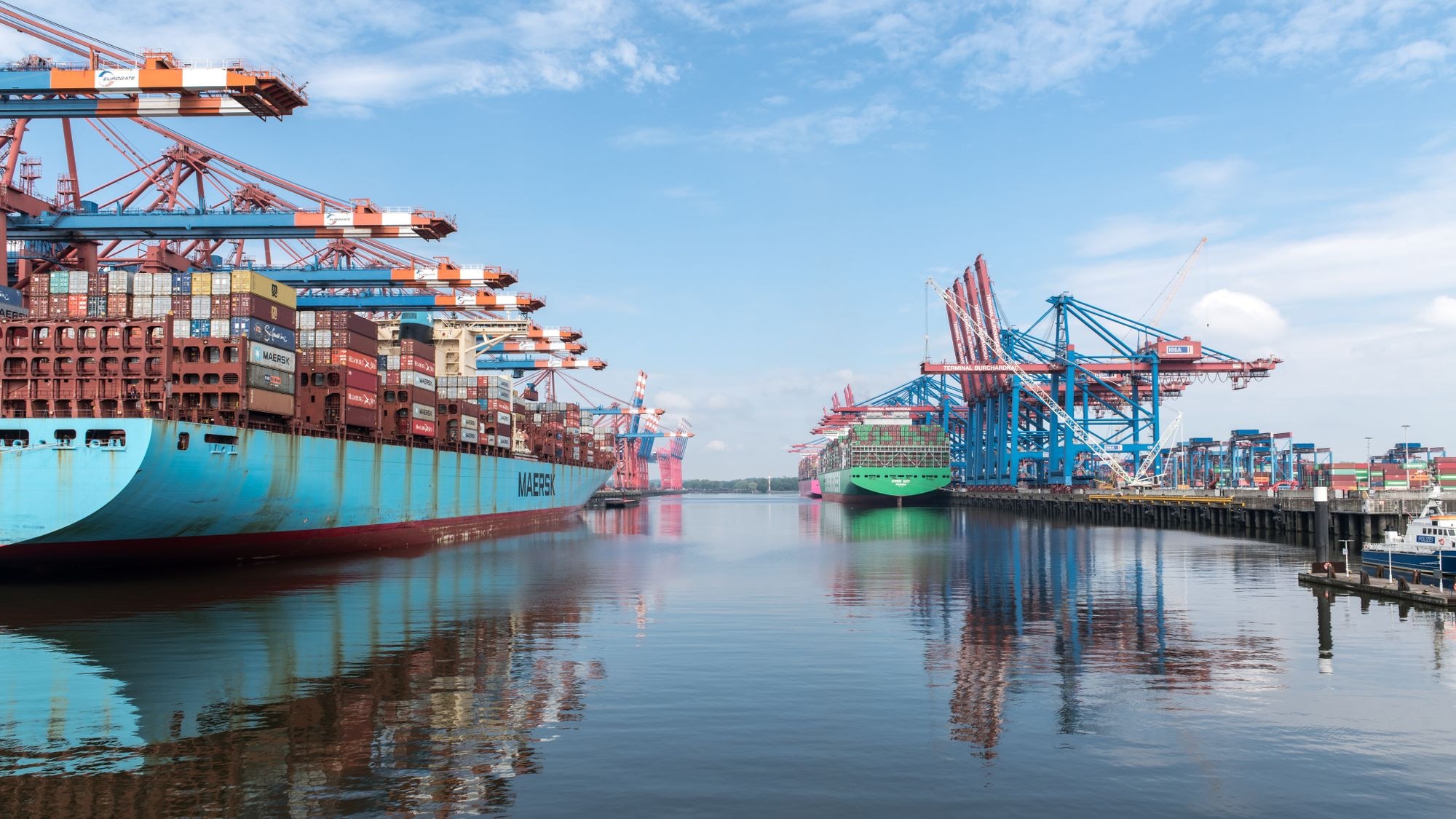
A normal ocean leg for an abnormal cargo profile.
Callao is a routine Pacific call. What is unusual is the cargo that qualifies: near-new vehicles whose file has to be perfect before the vessel is even chosen.
Container origins
NY/NJ, Savannah, Miami, Houston, Long Beach, Seattle. Six warehouses, container loaded by our crew. Long Beach feeds the direct Pacific leg.
Container is the standard method for the near-new stock this lane carries.
The pre-shipment technical inspection and the history verification complete before loading.
RoRo origins
Baltimore, Brunswick, Galveston, Jacksonville, Port Hueneme. Five RoRo terminals. Port Hueneme serves the Pacific rotations.
Quarter-tank fuel maximum per SOLAS rules on every booking.
RoRo works for qualifying vehicles where the rotation fits. The desk prices both methods.
US origins for this lane
| Origin | Method | Transit |
|---|---|---|
| NY/NJ | Container, via Panama | Quoted per routing |
| Savannah | Container, via Panama | Quoted per routing |
| Miami | Container, via Panama | Quoted per routing |
| Houston | Container, via Panama | 12-20 days |
| Long Beach | Container, direct Pacific | 12-20 days |
| Seattle | Container, via Panama | Quoted per routing |
| Baltimore | RoRo, per rotation | Confirmed at quote |
| Brunswick | RoRo, per rotation | Confirmed at quote |
| Galveston | RoRo, per rotation | Confirmed at quote |
| Jacksonville | RoRo, per rotation | Confirmed at quote |
| Port Hueneme | RoRo, per rotation | Confirmed at quote |
Any origin can serve this lane. The desk quotes the routing that fits where your freight sits.
Verification before purchase. Inspection before sailing.
Peru requires the quality-requirements file, the technical inspection, and the homologation data before nationalization, and SUNAT checks all of it. The file gets built US-side.
Required documents
Original title or bill of sale
Exception: vehicles 25+ years can ship under salvage certificate per US Customs rules. Otherwise, clean title required before booking.
Commercial invoice
Issued by Dapex on letterhead. Buyer or consignee, vehicle details, declared value, HBL number.
Packing list
Standard format. Critical when vehicles are co-loaded with personal effects in containers.
HBL
Consigned to the buyer or their clearing agent. Released after payment of the quoted amount.
Before sailing: the qualification file
Model-year window and mileage
Verified against records.
History check
Any recorded incident disqualifies.
Drivetrain and factory drive-side
Confirmed.
Technical inspection
Completed at origin.
Import technical sheet
Prepared with the VIN data.
At Callao: nationalizes under SUNAT
DAM declaration
Clearing agent files the DAM declaration.
Duty, selectivo, and IGV
Duty, 30% selectivo on used vehicles, and IGV paid.
Verifying entity inspection
At nationalization.
Emissions compliance
Against current limits.
Registration
Follows under Peruvian rules.
What Dapex files, US side
AES filing with US Customs. ISF where required. HBL issuance under Dapex's NVOCC license. Commercial invoice and packing list on Dapex letterhead. Pre-alert pack to your clearing agent with all documents at vessel sailing.
Near-new and spotless, or not at all.
The screen is the strictest in our network, and applying it before the auction is the entire value of the desk on this lane.
The thin slice.
Gasoline vehicles within two years, low mileage, factory LHD, zero recorded incidents. Special-order territory: a specific car for a specific buyer.
Most of everything.
Salvage, rebuilt, or repaired-after-incident vehicles. Anything past two years. Used diesel passenger cars. High-mileage cars. Classics over the antique threshold and returning-resident cases run under separate provisions the desk can walk through.
Same as every lane.
Clean title or salvage cert (25-year exception), no unreleased liens, no personal effects loose in RoRo.
What moves the rate on this lane.
Locked components stay locked. The variance on this lane sits in the tax stack and the verification work, both quoted in the open.
Our work, our cost.
- Warehouse operations
- Booking fee
- Documentation handling
- Dispatch coordination
- HBL issuance
Carrier and port-driven.
- Ocean freight (carrier-set)
- Routing and transshipment surcharges
- Fuel and bunker surcharges
- Origin port charges (container and RoRo)
- THC at discharge port
- Inland trucking to loading point
Service standards.
- Compliance
- Documentation accuracy
- Submission urgency
- Dispatch priority
Lane-specific drivers
The selectivo
The 30% selective consumption tax on used vehicles is the number that kills marginal deals. It sits on the quote as its own line so the math is visible before you commit.
Verification depth
The zero-incident rule demands history verification beyond a standard title check. The desk runs it before purchase, because a disqualified car discovered at Callao is a total loss.
Direct versus canal routing
West Coast origins sail direct, Gulf and East Coast transit Panama. The origin decides the cheaper side.
Rule watch
The MTC has tightened this regime repeatedly since 2020. The desk re-confirms current limits per shipment rather than assuming continuity.
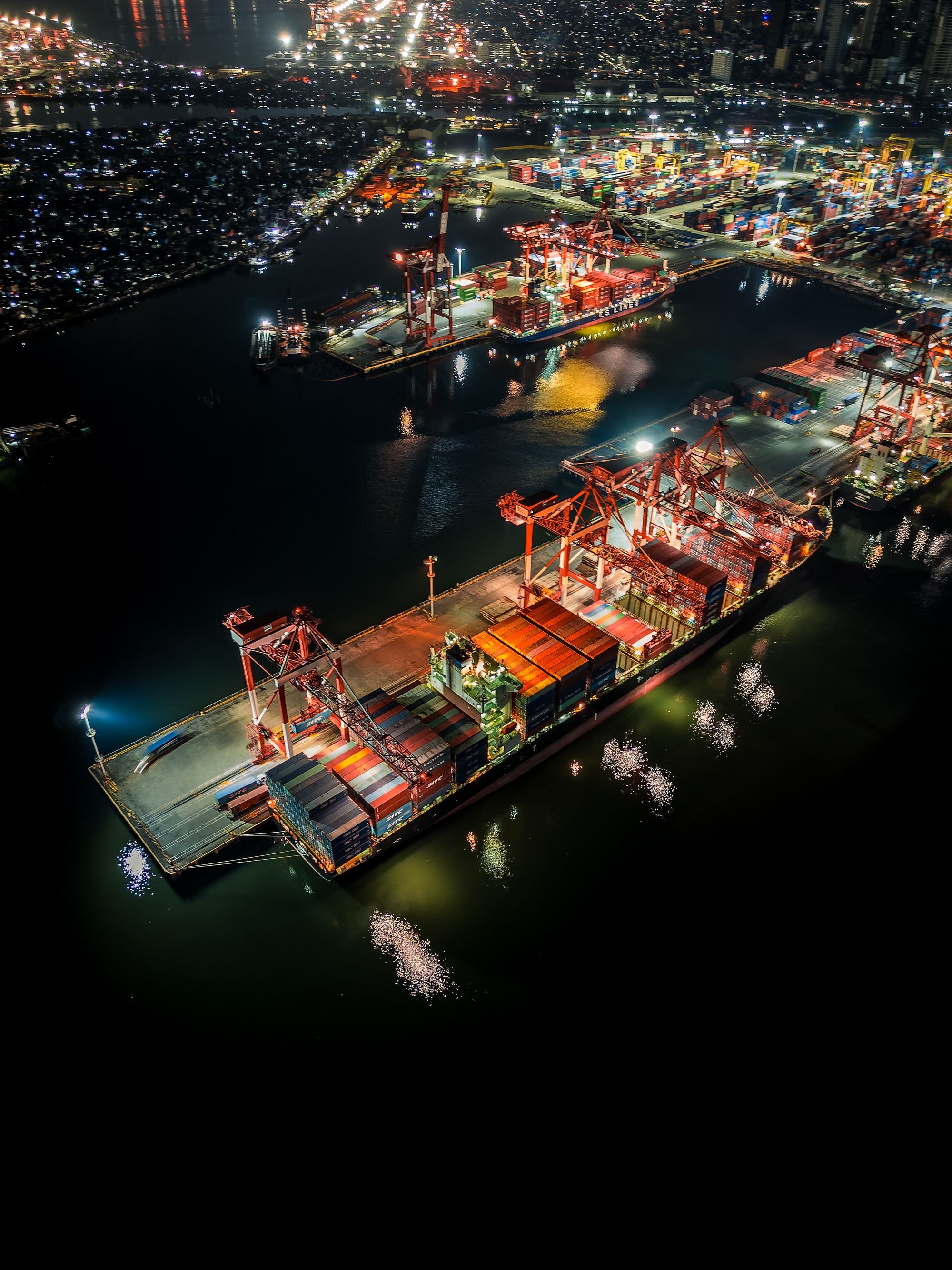
Who handles Peru accounts.
The Spanish-speaking desk handles Peru inquiries, and most of its work here is the qualification screen.
Spanish-speaking Desk
Latin America and the Caribbean. Business hours across US Eastern and Latin American time zones, plus extended hours by request.
What the desk owns.
Quote signing, file management through BL, escalation on title or compliance issues, coordination with your destination agent or clearing agent. The desk lead's name and direct line are on every quote we send.
Things buyers ask about the Peru lane.
Two years from the model year for used vehicles, under Decreto Supremo 005-2020-MTC, confirmed by SUNAT's current guidance. The five-year figure still shown on many shipping sites is the old regime, and building a purchase on it costs real money.
No. Peru disqualifies vehicles with any recorded incident, regardless of repair quality. The rule targets the history, not the current condition, and it is verified at nationalization.
No. Salvage, rebuilt, and flood-history vehicles are banned outright. There is no rebuild channel here.
Used diesel passenger cars are banned. The diesel exceptions apply only to certain heavy categories.
Duty on CIF, the 30% selective consumption tax on used vehicles, and 18% IGV, stacked. The selectivo alone reshapes the math, which is why this lane only works for cars the buyer specifically wants.
Returning residents qualifying under the economic reintegration law, diplomats, and classics over the antique threshold run under separate provisions. If that is your case, tell the desk and we walk through the specific conditions.
Factory left-hand drive only. Converted vehicles do not qualify.
Twelve to twenty days on the water depending on routing, plus the verification and inspection work up front. The file takes longer than the freight, by design.
Have a specific car in mind for Peru?
Send the VIN and the buyer's situation to the Spanish-speaking desk. We verify the window, the mileage, and the incident history before any money moves, quote the full stack including the selectivo, and tell you plainly whether the car qualifies. On this lane, the screen is the service.