West & North Africa / Nigeria
Auto export to Nigeria.
Nigeria is the largest single destination market for US-origin Tokunbo vehicles in West Africa. Dapex moves cars to Apapa (Lagos Port Complex) and Tin Can Island from six container warehouses and five RoRo terminals. Form M, PAAR, and SONCAP are coordinated before sailing so cargo clears at Lagos instead of accruing demurrage at the terminal.
For reference purposes only. Regulations, policies, and procedures change constantly. Ensure you verify and validate all requirements for your specific shipments before initiating any.
The Nigeria lane, in four numbers.
Apapa Port Complex + Tin Can Island. Port Harcourt and Onne for southern Nigeria.
Six container warehouses. Five RoRo terminals. Baltimore is the dominant RoRo origin to Lagos.
RoRo 17-25 (Baltimore fastest). Container 25-40 (Houston direct).
Plus PAAR and SONCAP. All three must be in place before the vessel arrives at Lagos.
A destination market. Vertically integrated.
Nigeria is the largest single buyer of US-origin used cars in West Africa. The Tokunbo (used import) trade is built on dealers who buy at US auctions and resell to Nigerian end-buyers. Unlike UAE or Saudi, there's no significant free-zone re-export pattern. Vehicles import for end-use in Nigeria.
Tokunbo dealer or end-buyer.
Vehicle clears Apapa or Tin Can Island, gets registered with the Federal Road Safety Corps (FRSC). The buyer is either a Nigerian Tokunbo dealer flipping to local end-buyers, or an end-buyer (returning resident, professional, fleet operator) importing for their own use.
- Form M opened at the buyer's CBN-authorized commercial bank before shipment
- PAAR issued by Nigeria Customs after valuation, before vessel arrival
- SONCAP certificate (Product + Shipment) from a SON-accredited body
- 12-year age cap on used vehicles (April 2026 Import Prohibition List)
- 20% import duty + 15% NAC levy + 7.5% VAT, calculated on CIF value
- LHD only. Marine insurance must be Nigerian-registered.
Fleet or institutional import.
Corporate fleets, NGOs, government buyers, and a small number of large dealers running multi-vehicle imports. Same compliance gate applies. Sometimes negotiated tariff treatment under specific schemes (CKD assembly partners, automotive policy concessions).
- Form M, PAAR, SONCAP same as Profile A
- Bulk shipments often clear faster through preferred clearing agents
- Some institutional buyers operate under specific duty schemes
- Smaller share by volume than the Tokunbo dealer trade
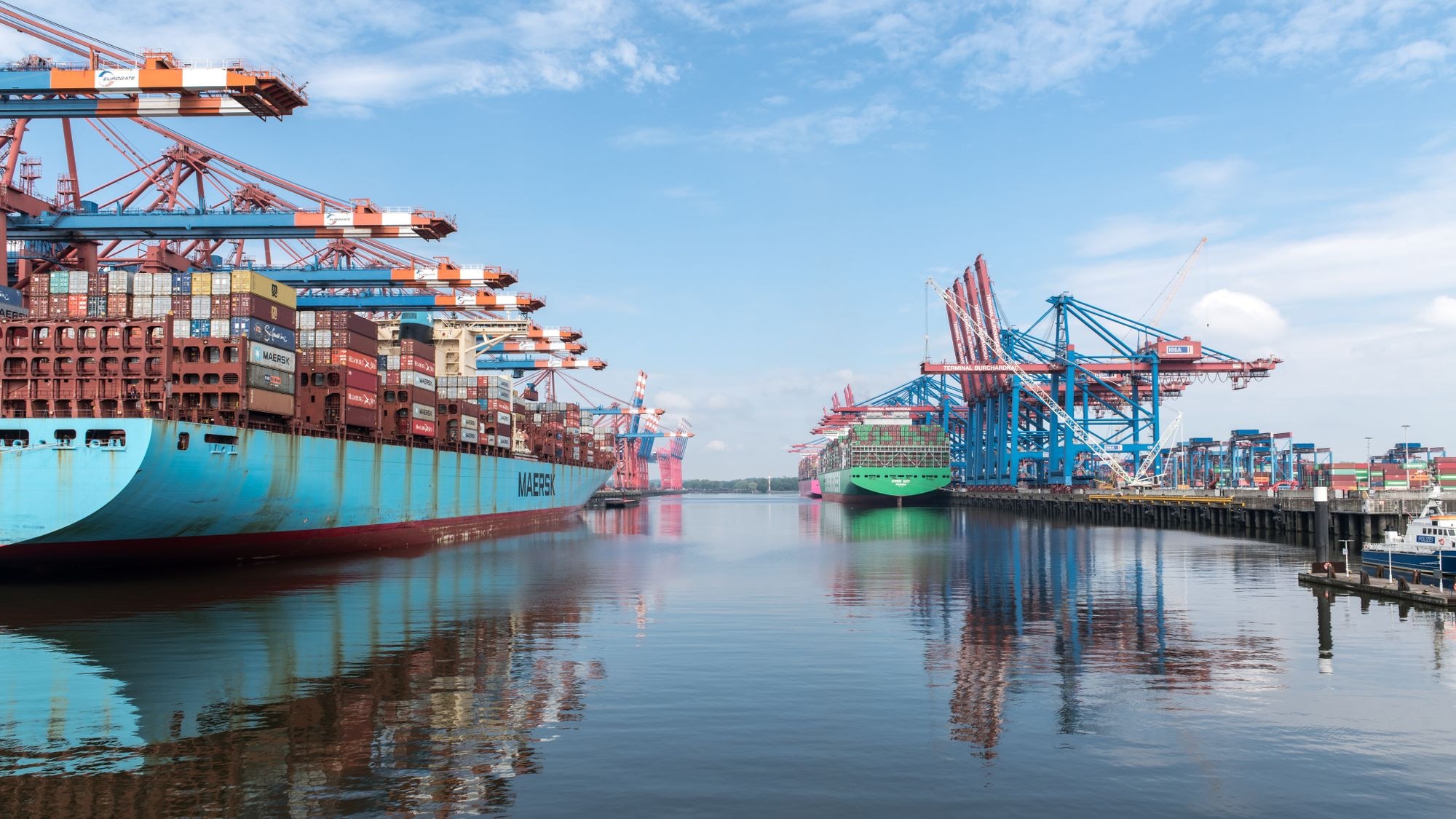
Eleven US loading points. Two methods. Two Lagos terminals.
Most US-origin volume to Nigeria runs through one of the two Lagos terminals: Apapa for container shipments, Tin Can Island for RoRo. Port Harcourt and Onne serve eastern Nigeria but handle less auto volume.
Container origins
NY/NJ, Savannah, Miami, Houston, Long Beach, Seattle. Six warehouses. Houston has direct service to Apapa with the shortest container transit on this lane (25-35 days). East Coast runs 30-40 days. Carriers: Maersk, MSC, CMA CGM, Hapag-Lloyd, plus regional operators with Lagos coverage.
Container wins for luxury vehicles, classic cars, vehicles with personal effects (Nigerian customs permits declared personal effects in containers, a key advantage over RoRo), and multi-car consolidation. A shared 40HC commonly takes four cars, more when they're small enough to nest, fewer with full-size SUVs, and there is also an option to load 45HC containers. The fit depends on the cars and on how the box is loaded, which is the part we're good at.
West Coast routes via Cape of Good Hope, adding 10-15 days. Less common for Nigeria-bound cargo.
RoRo origins
Baltimore, Brunswick, Galveston, Jacksonville, Port Hueneme. Baltimore to Tin Can Island is one of the most efficient US-to-Africa RoRo lanes globally, 17-20 days typical transit. ACL-Grimaldi runs the dominant service.
Carriers: Höegh, Wallenius, ACL, Sallaum, K Line, Grimaldi. Quarter-tank fuel maximum per SOLAS rules. RoRo is the default for Tokunbo dealer volume on standard running sedans and SUVs where cost wins over personal-effects flexibility.
Houston-to-Lagos RoRo runs 25-35 days. Slower than Baltimore but useful for cargo originating in the South-Central US.
Three certificates. One platform. No shortcuts.
Nigeria's import compliance runs through three pre-arrival certificates and one platform. Form M, PAAR, and SONCAP must all be in place before cargo arrives at Lagos. Missing any one means cargo sits at port accruing demurrage at ₦50,000+ per day until resolved. As of March 27, 2026, all three processes route through the National Single Window (NSW) platform.
The three pre-arrival certificates
Form M
Bank-validated import declaration filed by the importer with a CBN-authorized Nigerian commercial bank before shipment. Required for foreign exchange clearance. The Form M must match the commercial invoice exactly (same currency, same amount, same description), or PAAR will be rejected downstream.
PAAR (Pre-Arrival Assessment Report)
Issued by Nigeria Customs Service after reviewing the Form M and supporting documents. Establishes the customs valuation before vessel arrival. Cargo cannot be cleared without an active PAAR.
SONCAP (Standards Organization of Nigeria Conformity Assessment Program)
Two-part conformity certificate: Product Certificate of Conformity (PCoC) per vehicle, Shipment Certificate of Conformity (SCoC) per shipment. Issued by SON-accredited Internationally Accredited Firms (IAFs) like Intertek, TÜV Rheinland, Bureau Veritas, others. Pre-shipment inspection at origin or destination depending on the IAF. As of March 2026, SONCAP activation for Form M and PAAR runs through the NSW platform.
Supporting documents
Original title
Clean title required. Salvage titles can ship but face stricter SONCAP scrutiny and lower auction valuations downstream.
Commercial invoice on Dapex letterhead
Value must match Form M exactly. Any discrepancy kills PAAR.
Packing list
Critical when personal effects are loaded with the vehicle in a container.
HBL
Consigned to the Nigerian end-buyer or Tokunbo dealer. Released after payment of the quoted amount.
CCVO (Combined Certificate of Value and Origin)
Confirms vehicle origin and declared value. Required alongside the commercial invoice.
Nigerian marine cargo insurance
Must be issued by a Nigerian-registered insurance company. Foreign insurance policies are rejected outright by CBN. Importer's clearing agent typically arranges this.
VIN valuation
Nigeria Customs validates VIN against international auction history and assessed value. VIN cleanliness affects customs valuation and downstream resale.
What Dapex files, US side
AES filing with US Customs. ISF where required. HBL issuance under Dapex's NVOCC license. Commercial invoice and packing list on Dapex letterhead, with value matched to the buyer's Form M. Pre-alert pack to the buyer's clearing agent at Lagos. Coordination with the buyer's CBN-authorized bank on Form M timing, and with the buyer's chosen SON-accredited IAF on SONCAP timing. The West Africa desk runs this end-to-end on wholesale accounts.
The 12-year cap shapes most decisions.
Nigeria's age cap on used vehicle imports tightened to 12 years on the April 2026 revised Import Prohibition List. The Tokunbo trade adjusted accordingly. The page reflects the current rule, which your clearing agent should verify against the cargo arrival date.
The Tokunbo favorites.
Toyota Camry, Corolla, Sienna, Highlander, Land Cruiser. Honda Accord, Pilot, Odyssey. Lexus RX 350, GX 460. Hyundai Sonata, Santa Fe. Ford F-150 and Explorer. Anything Toyota or Lexus moves first. Container shipments can include personal effects in the vehicle and the remaining container space, with proper declaration — a major advantage over RoRo for returning residents and bulk Tokunbo dealers.
What the import rules block.
Vehicles older than 12 years from manufacture (April 2026 Import Prohibition List, banned outright). RHD vehicles (Nigeria is LHD). Vehicles without SONCAP at port arrival. Banned categories on the broader Import Prohibition List. For vehicles outside the 12-year window, routing through UAE free zones for onward sale to non-Nigeria West African markets is the workaround.
Always apply.
Clean title or salvage cert (25-year US Customs exception). No unreleased liens. No personal effects loose in RoRo (only allowed in containers per Nigerian customs declaration).
What moves the rate on this lane.
Wholesale rate structure works the same way on the Nigeria lane as everywhere else. Four things drive variance on this specific lane.
Our work, our cost.
- Warehouse operations
- Booking fee
- Documentation handling
- Dispatch coordination
- HBL issuance
- Form M, PAAR, SONCAP coordination
Carrier, port, certification body.
- Ocean freight (carrier-set)
- Fuel and bunker surcharges
- Origin port charges
- THC at Apapa or Tin Can Island
- SONCAP certification fee (paid to the IAF)
- Inland trucking to loading point
Service standards.
- Compliance
- Documentation accuracy
- Submission urgency
- Dispatch priority
Lane-specific drivers
Form M and SONCAP pre-shipment timing
SONCAP can take 2-4 weeks to obtain. Form M approval varies by bank. The desk coordinates start dates against the sailing schedule. Pre-booking is the single biggest variable in avoiding demurrage exposure.
Naira FX availability
Form M validates the foreign exchange commitment at the bank. CBN forex policy affects what banks can approve and how fast. This is outside Dapex's control but the desk flags timing risk on quotes when forex tightens.
Demurrage exposure
Nigerian ports have aggressive demurrage clocks. ₦50,000+ per day after the free period. Vessel-arrival-to-clearance is the variable that matters most for total landed cost. Pre-arrival document discipline pays back tenfold here.
Baltimore-to-Tin Can Island economics
Among the most efficient US-to-Africa RoRo lanes by transit time. Container per-car economics favor luxury imports and personal-effects shipments. The desk runs both numbers on quotes when the vehicle mix is mixed.
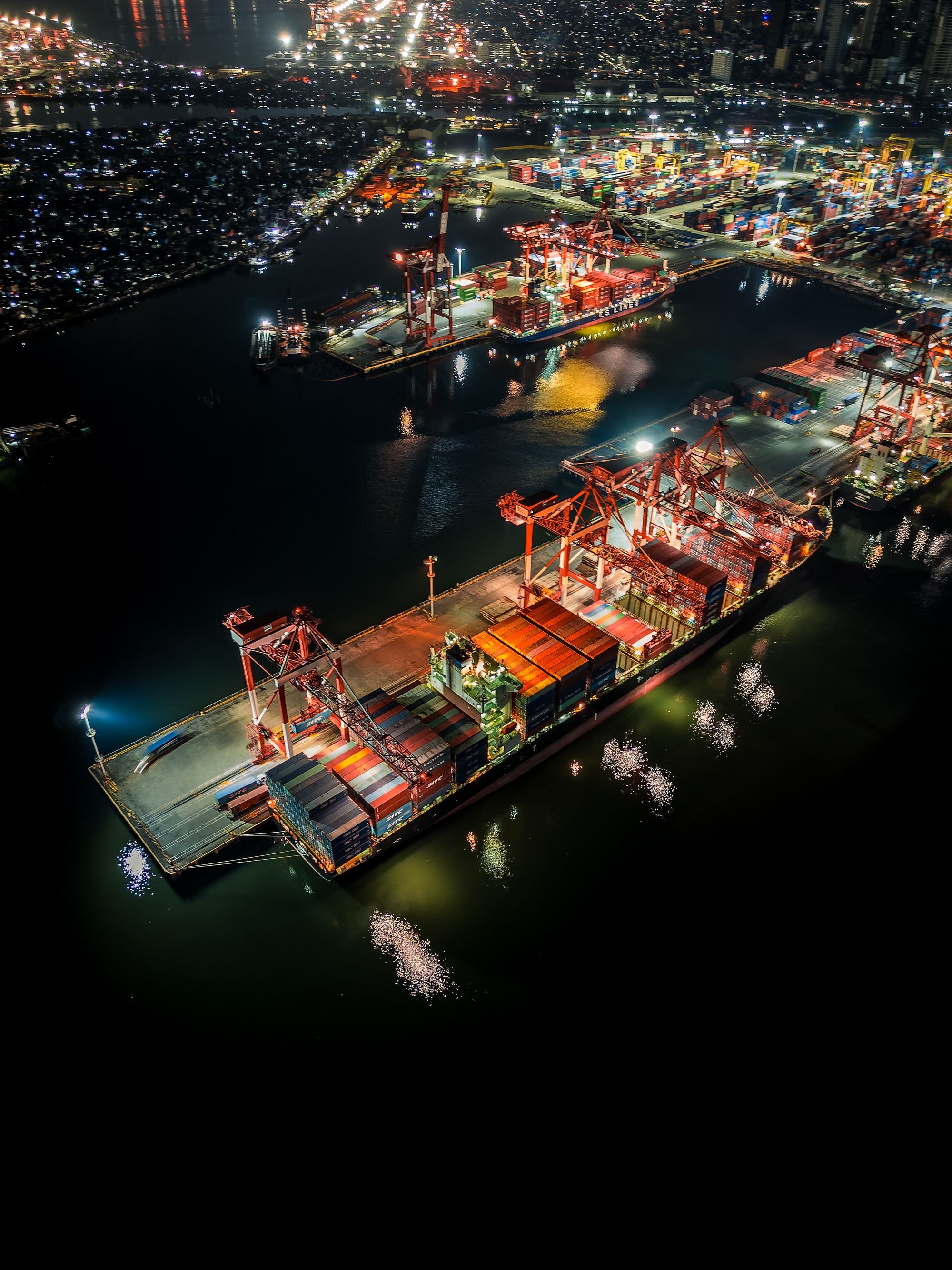
Who handles Nigeria accounts.
The West Africa desk runs every Nigeria account. Same person from the first quote through every BL, with deep working knowledge of Form M, PAAR, and SONCAP timing.
West Africa Desk
Nigeria, Ghana, Senegal, Côte d'Ivoire, Cameroon, Togo, Benin. Business hours in Lagos time, plus extended hours by request.
What the desk owns.
Quote signing, file management through BL, Form M timing aligned with buyer's CBN-authorized bank, SONCAP coordination with the buyer's chosen SON-accredited IAF, PAAR tracking, demurrage exposure flagging, escalation on customs holds.
Things buyers ask about the Nigeria lane.
Tin Can Island for RoRo. It's the primary RoRo terminal for Lagos and handles most US-origin Tokunbo volume. Apapa for container shipments. Apapa is older with more established container infrastructure. Both serve the Lagos metro area; the choice tracks with shipping method, not destination.
Yes. Form M must be opened with a CBN-authorized Nigerian commercial bank and validated before the cargo sails. Without it, PAAR cannot issue and customs won't release the vehicle. The Form M value must match the commercial invoice exactly. The desk coordinates timing with your bank.
We coordinate it. SONCAP is issued by SON-accredited Internationally Accredited Firms (Intertek, TÜV Rheinland, Bureau Veritas, others) directly to the importer. The desk works with the buyer's chosen IAF, shares documentation the IAF needs, and tracks PCoC and SCoC issuance against the sailing date. SONCAP fees are paid to the IAF, not to Dapex.
For Nigeria import, the 12-year cap is on the April 2026 Import Prohibition List. Vehicles older than 12 years from manufacture are banned outright for Nigerian import. For older vehicles destined for other West African markets (Ghana has its own rules, Benin has a different cap), routing through UAE free zones first is the typical workaround. The desk will tell you whether bonded-zone routing makes sense for your case.
No. Nigeria drives on the right and requires LHD vehicles for registration. RHD vehicles cannot register. There's no Nigeria-side bonded zone workaround for RHD. For RHD onward to nearby RHD markets, UAE free zones are the routing.
With Form M, PAAR, and SONCAP all in place at arrival, clearance typically runs 7-14 business days. Without one of them, indefinite, until resolved. Demurrage starts immediately. ₦50,000+ per day past the free period. Pre-arrival document discipline is the single biggest variable in clearance speed.
CBN policy. Marine cargo insurance for Nigerian imports must be issued by a Nigerian-registered insurance company. Foreign insurance policies are rejected at Form M validation. The buyer's clearing agent typically arranges this, or the bank handles it as part of Form M processing.
In a container, yes, with proper declaration on the packing list and Form M. Returning residents may claim a personal effects allowance. In RoRo, no. RoRo vessels prohibit loose items in the vehicle. This is one of the main reasons Tokunbo dealers and returning residents pick container over RoRo despite the higher cost.
Ready to ship to Nigeria?
Send VIN, lot number, and consignee (Tokunbo dealer, fleet operator, or Nigerian end-buyer) to the West Africa desk. Form M, PAAR, and SONCAP coordination starts before the vessel sails.