Latin America & Caribbean / Nicaragua
Auto export to Nicaragua.
Nicaragua is a smaller but steady Central American lane with a clear rulebook: the tax code prohibits importing vehicles ten years or older, with exceptions for classics, certain donations, and some cargo and public-transport vehicles. Corinto on the Pacific is the gateway. Duty scales with engine size, plus a selective consumption tax and 15% VAT, and CAFTA-DR can cut the tariff on US-built cars. One more thing we run on this lane as standard: consignee screening, given the US sanctions environment around Nicaraguan government-tied entities.
For reference purposes only. Regulations, policies, and procedures change constantly. Ensure you verify and validate all requirements for your specific shipments before initiating any.
The Nicaragua lane, in four numbers.
The Pacific gateway. Gulf and East Coast cargo transits the Panama Canal, West Coast sails direct down the coast.
Six container warehouses. Five RoRo terminals. Origin choice decides the canal-or-direct routing.
West Coast direct or Gulf via Panama. Current numbers by origin on the quote.
Vehicles ten years or older prohibited by the tax code. Exceptions: classics, certain donations, some cargo and public-transport vehicles.
A clear rulebook and a screened lane.
Nicaragua's cap sits in the tax code rather than in shifting circulars, which makes the age math predictable. What Dapex adds on this lane beyond freight is discipline on the consignee side: US sanctions target entities tied to the Nicaraguan government, so every file gets screened as standard before booking.
The standard import.
A US car under ten years old lands at Corinto, clears customs with duty by engine size, the selective consumption tax, and 15% VAT, and registers. CAFTA-DR preference applies to qualifying US-built cars. Reliable, parts-friendly models are the market's taste.
- Under 10 years old, verified off the VIN
- Duty by engine size, plus ISC and 15% VAT
- CAFTA-DR preference for qualifying US-built cars
- Consignee screened before booking, as standard
- LHD, cleared through your customs agent
The exception categories.
The tax code carves out exceptions to the ten-year rule: classic and historic vehicles, certain donated vehicles, and some cargo and public-transport categories. These are narrow doors with their own paperwork, and the desk confirms eligibility with the clearing agent before any purchase that relies on one.
- Classic and historic vehicles under the exception
- Certain donated vehicles with documentation
- Some cargo and public-transport categories
- Eligibility confirmed in writing before purchase
- No exception, no shipment past the cap
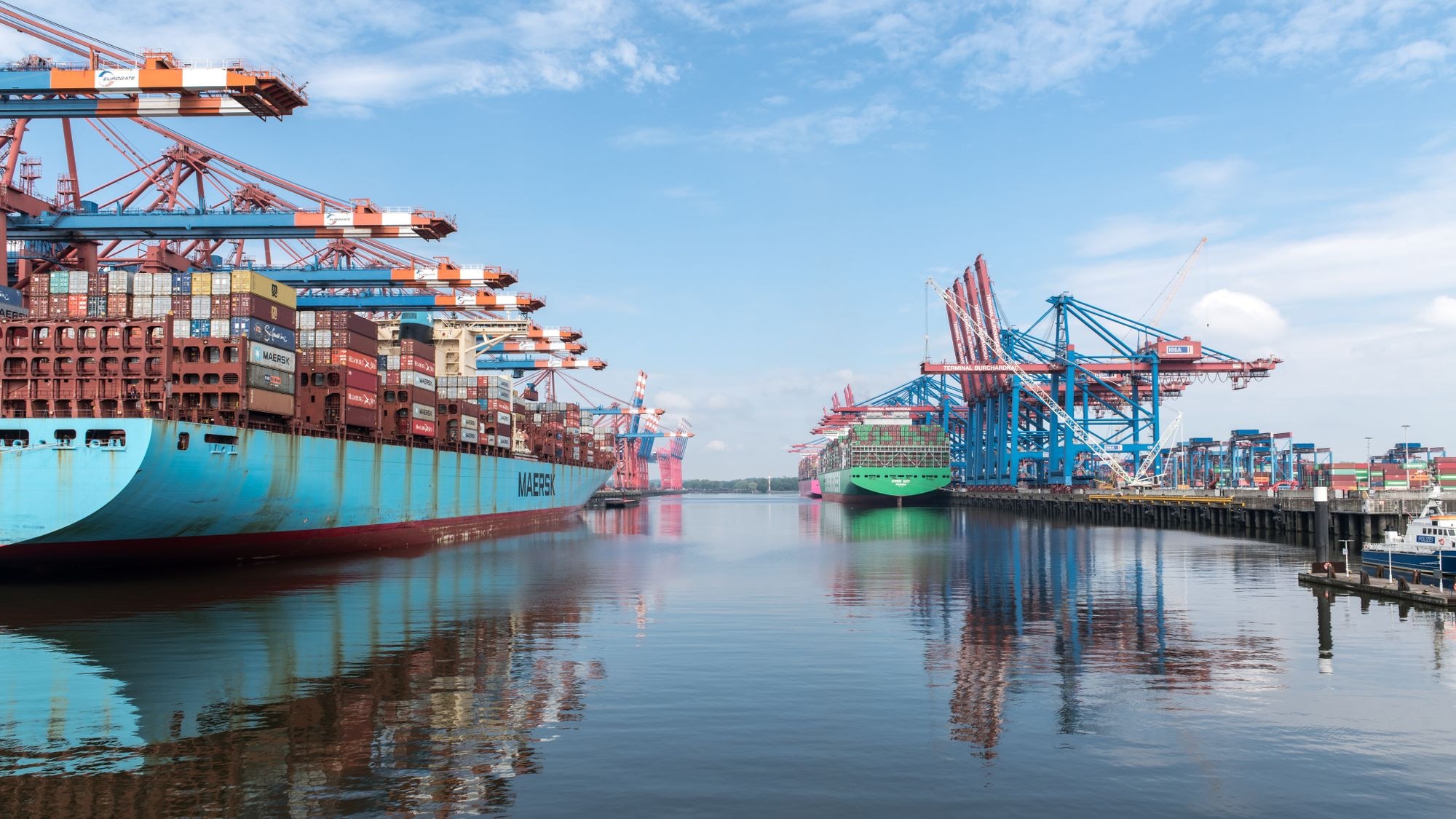
Pacific gateway, canal or coast.
Corinto sits on the Pacific, so the routing splits the same way as El Salvador: West Coast direct, Gulf and East Coast through Panama. The desk prices both against your loading point.
Container origins
NY/NJ, Savannah, Miami, Houston, Long Beach, Seattle. Six warehouses, container loaded by our crew. Long Beach feeds the direct Pacific leg, Houston and Miami route via the canal.
A 40HC commonly holds four cars, five when they nest, three when they are full-size.
Container is the pick for higher-value cars and anything moving with declared parts.
RoRo origins
Baltimore, Brunswick, Galveston, Jacksonville, Port Hueneme. Five RoRo terminals. Port Hueneme serves the Pacific rotations, Galveston the canal routings.
Quarter-tank fuel maximum per SOLAS rules on every booking.
RoRo availability on the Corinto rotations varies by season. The desk confirms the current sailing picture before quoting it.
US origins for this lane
| Origin | Method | Transit |
|---|---|---|
| NY/NJ | Container, via Panama | Quoted per routing |
| Savannah | Container, via Panama | Quoted per routing |
| Miami | Container, via Panama | 10-15 days |
| Houston | Container, via Panama | 10-15 days |
| Long Beach | Container, direct Pacific | 10-15 days |
| Seattle | Container, via Panama | Quoted per routing |
| Baltimore | RoRo, per rotation | Confirmed at quote |
| Brunswick | RoRo, per rotation | Confirmed at quote |
| Galveston | RoRo, per rotation | Confirmed at quote |
| Jacksonville | RoRo, per rotation | Confirmed at quote |
| Port Hueneme | RoRo, per rotation | Confirmed at quote |
Any origin can serve this lane. The desk quotes the routing that fits where your freight sits.
Standard file, screened consignee.
The document pack is the Dapex standard. What runs before it on this lane is the screening step, completed before the booking confirms.
Required documents
Original title or bill of sale
Exception: vehicles 25+ years can ship under salvage certificate per US Customs rules. Otherwise, clean title required before booking.
Commercial invoice
Issued by Dapex on letterhead. Buyer or consignee, vehicle details, declared value, HBL number.
Packing list
Standard format. Critical when vehicles are co-loaded with personal effects in containers.
HBL
Consigned to the buyer or their clearing agent. Released after payment of the quoted amount.
What runs after the BL
Before booking: The screen
Consignee and payment party screened against US sanctions lists. Stated end-use checked where the file warrants it. Clean files confirm same day. A flagged file gets a straight answer, not a quiet decline. The screen protects the lane for everyone using it honestly.
At the port: Clears and registers
Your clearing agent files the import declaration at Corinto. Age verified off the VIN against the tax-code cap. Duty by engine size, ISC, and 15% VAT paid. CAFTA-DR certificate filed where the preference is claimed. Dapex stops at port discharge and delivers the HBL on arrival.
What Dapex files, US side
AES filing with US Customs. ISF where required. HBL issuance under Dapex's NVOCC license. Commercial invoice and packing list on Dapex letterhead. Pre-alert pack to your clearing agent with all documents at vessel sailing.
Under ten, clean, screened. Then it ships.
The gates are the tax-code cap and the screening step. Inside them, mainstream US stock moves normally.
Recent mainstream stock.
Cars, SUVs, and pickups under ten years with clean titles. The market favors reliable, parts-friendly models, and US auction stock fits.
The exception categories.
Classics, certain donations, and some cargo and public-transport vehicles can pass the cap under tax-code exceptions. Eligibility confirmed in writing before purchase, every time.
Same as every lane.
Clean title or salvage cert (25-year exception), no unreleased liens, no personal effects loose in RoRo. Consignee screening as standard.
What moves the rate on this lane.
Locked components stay locked. Pass-through moves with carrier and port pricing. Four things drive variance on this lane.
Our work, our cost.
- Warehouse operations
- Booking fee
- Documentation handling
- Dispatch coordination
- HBL issuance
Carrier and port-driven.
- Ocean freight (carrier-set)
- Routing and transshipment surcharges
- Fuel and bunker surcharges
- Origin port charges (container and RoRo)
- THC at discharge port
- Inland trucking to loading point
Service standards.
- Compliance
- Documentation accuracy
- Submission urgency
- Dispatch priority
Lane-specific drivers
Canal or coast routing
The same split as El Salvador: West Coast direct versus Gulf and East Coast via Panama. Where your auction freight clusters decides the cheaper side.
Duty by displacement
The duty and ISC scale with engine size, and a big engine pays for itself twice on this lane. The desk runs the exact stack before you bid.
CAFTA-DR origin work
The preference cuts the tariff on qualifying US-built cars. We check the build plant off the VIN and prepare the certificate with the invoice pack.
Service frequency
Corinto sees fewer weekly calls than the bigger regional ports, so a missed cut costs more calendar. The desk books against confirmed sailings, not hoped-for ones.

Who handles Nicaragua accounts.
The Spanish-speaking desk runs every Nicaragua account. Same person from the first quote through every BL.
Spanish-speaking Desk
Latin America and the Caribbean. Business hours across US Eastern and Latin American time zones, plus extended hours by request.
What the desk owns.
Quote signing, file management through BL, escalation on title or compliance issues, coordination with your destination agent or clearing agent. The desk lead's name and direct line are on every quote we send.
Things buyers ask about the Nicaragua lane.
Corinto, the Pacific gateway. West Coast origins sail direct, Gulf and East Coast origins transit the Panama Canal. The desk prices both routings.
Vehicles ten years or older are prohibited under Nicaragua's tax code. Exceptions exist for classics, certain donated vehicles, and some cargo and public-transport categories, each with its own paperwork and confirmed in writing before purchase.
Because US sanctions target entities tied to the Nicaraguan government, and as a US-licensed forwarder the compliance burden is ours on every file. The screen runs as standard, confirms same day on clean files, and keeps the lane open for everyone using it honestly.
Duty scaled by engine size, plus the selective consumption tax and 15% VAT. A qualifying US-built car under CAFTA-DR clears at a preferential tariff. The desk quotes the full stack.
Where the car is inside the age cap and admissible under current practice, damaged-title units can move for the repair trade. The desk confirms treatment with the clearing agent per vehicle before you bid.
If it qualifies as US-originating under the agreement and the origin is documented. We check the build plant off the VIN and prepare the certificate where it applies.
Left-hand drive. Nicaragua drives on the right, and US auction cars are LHD.
Ten to fifteen days on the water depending on routing, then clearance and registration. Door to plates commonly runs three to four weeks with clean paperwork.
Ready to ship to Nicaragua?
Send VIN, lot number, vehicle year, and consignee details to the Spanish-speaking desk. We verify the age against the cap, run the screening and the CAFTA-DR check, and quote door to Corinto. Itemized quote signed by your account manager within 4 business hours.