Middle East / Lebanon
Auto export to Lebanon.
Lebanon buys American cars in real numbers, and the lane has its own rules. A US car lands at Beirut or Tripoli by direct ocean call, clears under Lebanese customs, and registers locally. Two things set Lebanon apart from the Gulf: an 8-year age cap and used diesel cars banned outright, and a tax stack far heavier than the Gulf's 5%. Exceptions are for cars of Limited Editions (vehicles are considered "vintage" or "collection" when they come from models that have been discontinued for over 30 years). A standard car carries 5% customs duty, a 45% excise, and 11% VAT, which the local importers' syndicate puts at roughly 61% of value to the state before plates. The banking crisis added a third factor: this trade prices and settles in US dollars, and the government's Customs Dollar rate decides what that stack costs in practice.
For reference purposes only. Regulations, policies, and procedures change constantly. Ensure you verify and validate all requirements for your specific shipments before initiating any.
The Lebanon lane, in four numbers.
Beirut is the main car port, with Tripoli serving the north. Direct ocean call from the US, container and RoRo. No transit country.
Six container warehouses, five RoRo terminals. Container is common given the salvage trade; RoRo for clean running cars.
East Coast to Beirut runs about 25 to 35 days, depending on the rotation and Suez routing. The desk gives current numbers.
5% duty, 45% excise, 11% VAT, stacked, roughly 61% of value to the state, all on the government's Customs Dollar valuation. 8-year cap. Used diesel banned. LHD.
A dollar market with a hard age line.
Lebanon's car buyers split into two clear groups, and Dapex serves both. There are buyers who want a clean late-model car to register and drive, and there's a deep repair trade that takes US salvage and rebuilds it. The 8-year cap and the diesel ban decide what can come in at all; the dollar economy decides how it gets paid for.
Late-model cars that register.
A US car inside the 8-year window, gasoline or hybrid, lands at Beirut, clears customs, passes the technical inspection, and registers. This is the straightforward case: the buyer wants the car, and the model year keeps it legal.
- Inside the 8-year age cap
- Gasoline or hybrid, no used diesel
- Tiered duty on the CIF value
- LHD, registered and kept in Lebanon
Repairable cars for the workshops.
Lebanon has a large, skilled repair trade that buys US salvage, rebuilds it, and sells it on. Unlike the Gulf, salvage is part of the legitimate lane here, as long as the rebuilt car still falls inside the age cap and isn't diesel. Container is the method for a non-runner.
- Salvage and repairable cars move here
- Still bound by the 8-year cap
- Shipped under a salvage certificate
- Container for non-running units
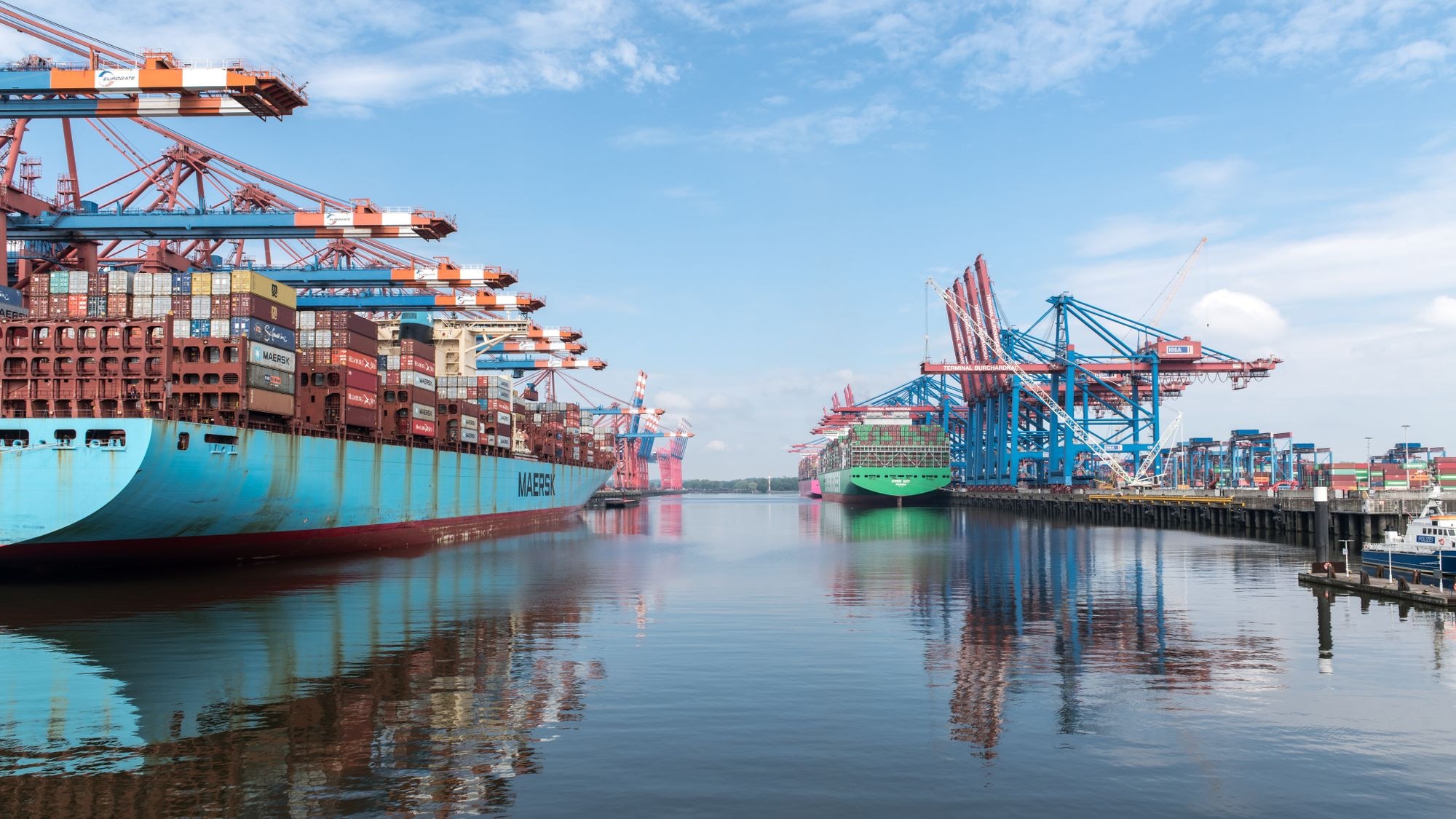
A direct ocean call to Beirut.
Lebanon is reached straight by sea. The car sails from the US to Beirut, or Tripoli for the north, and clears there. The US-side operation is the same as our other lanes; the Lebanese specifics are the age cap, the diesel ban, and the dollar settlement.
Container origins
Load at one of six container warehouses: NY/NJ, Savannah, Miami, Houston, Long Beach, Seattle. Container is the usual method for salvage, non-runners, high-value cars, or anything co-loaded with parts. A 40-foot box commonly takes four cars, five when they're small, and salvage that sits low or comes apart can pack tighter still, which is where our loading crews earn the per-car number. Carriers on the East Mediterranean lane include Maersk, MSC, CMA CGM, and Hapag-Lloyd.
Transit: roughly 25 to 35 days from the East Coast, depending on Suez routing.
Customs: the full stack, 5% duty, 45% excise, 11% VAT, assessed at Beirut on the Customs Dollar valuation.
RoRo origins
Five RoRo terminals: Baltimore, Brunswick, Galveston, Jacksonville, Port Hueneme. RoRo is the cheaper choice for a clean running car inside the age cap. Lines into the East Mediterranean include Grimaldi and others. Quarter-tank fuel maximum per SOLAS rules.
Not carried: used diesel cars, which Lebanon bans, and anything over the 8-year cap.
Personal effects permitted in containers, not in RoRo.
Lebanese customs, the age cap, and the diesel rule.
There's no pre-shipment certification regime like Saudi's. The gates are the 8-year age cap, the ban on used diesel cars, the technical inspection at destination, and the duty math. Get the age and fuel type right before you buy, because a car that fails either gate can't clear.
The clearance path
Pre-purchase eligibility and cost check
The desk confirms the car is inside the 8-year cap and not a used diesel, then works the full tax stack, 5% duty, 45% excise, 11% VAT, on the current Customs Dollar valuation with the Beirut clearing agent so the dollar landed cost is real before you bid.
US-side preparation
AES filing, ISF where required, HBL issuance, commercial invoice, packing list. Clean title for a registration car, or a salvage certificate where the car is sold and shipped as salvage for rebuild. HBL consigned to the Lebanese buyer or their clearing agent.
Customs at Beirut or Tripoli
The car clears under the Lebanese tariff: 5% duty, a 45% excise, and 11% VAT, all assessed on the government's Customs Dollar valuation rather than the raw CIF. Documents are translated into Arabic. The bill of lading releases against payment. A licensed Lebanese clearing agent files the entry, as the law requires.
Inspection and registration
The car passes the Lebanese technical inspection, which can mean headlight and lighting work on a US-spec car, then the buyer registers and takes plates. LHD.
Required documents
Original title or salvage certificate
Clean title for a registration car. Salvage certificate where the unit is sold and shipped as salvage for the repair trade.
Commercial invoice on Dapex letterhead
Consignee, vehicle details, declared value, HBL number. The declared value, converted at the Customs Dollar rate, is the base the whole tax stack is built on.
Packing list
Standard format. Needed when personal effects are co-loaded in a container.
HBL
Consigned to the Lebanese buyer or their clearing agent. Released after payment of the quoted amount.
What Dapex files, US side
AES filing with US Customs. ISF where required. HBL under Dapex's NVOCC license, consigned to the Lebanese buyer or their clearing agent. Commercial invoice and packing list on Dapex letterhead. Title verification through our title team before pickup, and the eligibility-plus-cost pre-check before purchase, age, fuel type, and duty. Standard consignee screening. Pre-alert pack to the Beirut clearing agent. The Arabic-speaking desk owns the file end to end.
What sells into Lebanon.
Lebanon takes a wide range of American cars, with a strong appetite for the models that hold up on rough roads and are cheap to keep running. The age cap and diesel ban screen out a chunk of the US auction pool, and the repair trade absorbs much of the rest.
Practical sedans and SUVs.
Toyota, Honda, Nissan, Hyundai, and Kia in the family-car and crossover classes. American SUVs and pickups where the buyer wants size. Gasoline and hybrid only, inside the 8-year window, where parts and service are easy to find locally.
Rebuildable US cars.
Lebanon's repair workshops are a major buyer of US salvage, repairing and reselling cars that would be written off elsewhere. Shipped under a salvage certificate, container for non-runners, and still inside the age cap. Our title team verifies history before pickup.
Diesel, and anything over 8 years.
Used diesel cars are banned, and nothing over the 8-year cap can clear. Beyond that, the standing Dapex rules hold: clean title or salvage certificate (25-year US Customs exception), no unreleased liens, no personal effects loose in RoRo. Quarter-tank fuel maximum on RoRo per SOLAS.
What moves the rate on this lane.
A clean ocean lane, so freight is freight. The variables that decide the all-in dollar cost are the tax stack at the far end, driven by the live Customs Dollar rate, and the dollar settlement the banking crisis forces.
Our work, our cost.
- Warehouse operations
- Booking fee
- Documentation handling
- Title verification
- HBL issuance
- Eligibility and cost pre-check
Carrier and routing-driven.
- Ocean freight (carrier-set)
- Fuel and bunker surcharges
- Suez and East Med routing
- Beirut or Tripoli port handling
- Container versus RoRo choice
- Inland delivery within Lebanon
Service standards.
- Compliance
- Documentation accuracy
- Submission urgency
- Dispatch priority
Lane-specific drivers
The Customs Dollar and the tax stack
The 5% duty, 45% excise, and 11% VAT are assessed on the government's Customs Dollar valuation, not the raw CIF, and that rate has swung tenfold. Together the stack runs near 61% of value, so a low-value auction car can carry state fees rivaling its price. We run the live number before you bid.
Dollar settlement
The banking crisis means this trade settles in US dollars. We quote and the BL releases against payment of the quoted dollar amount, so there's no local-currency exposure in the deal.
The age and diesel gates
The 8-year cap and the used-diesel ban are absolute. A car that fails either can't clear, so we screen both before purchase rather than after the car has sailed.
Title quality
The buyer runs their own VIN check, so we verify title before pickup and flag any branded history in advance, which matters on the salvage side.
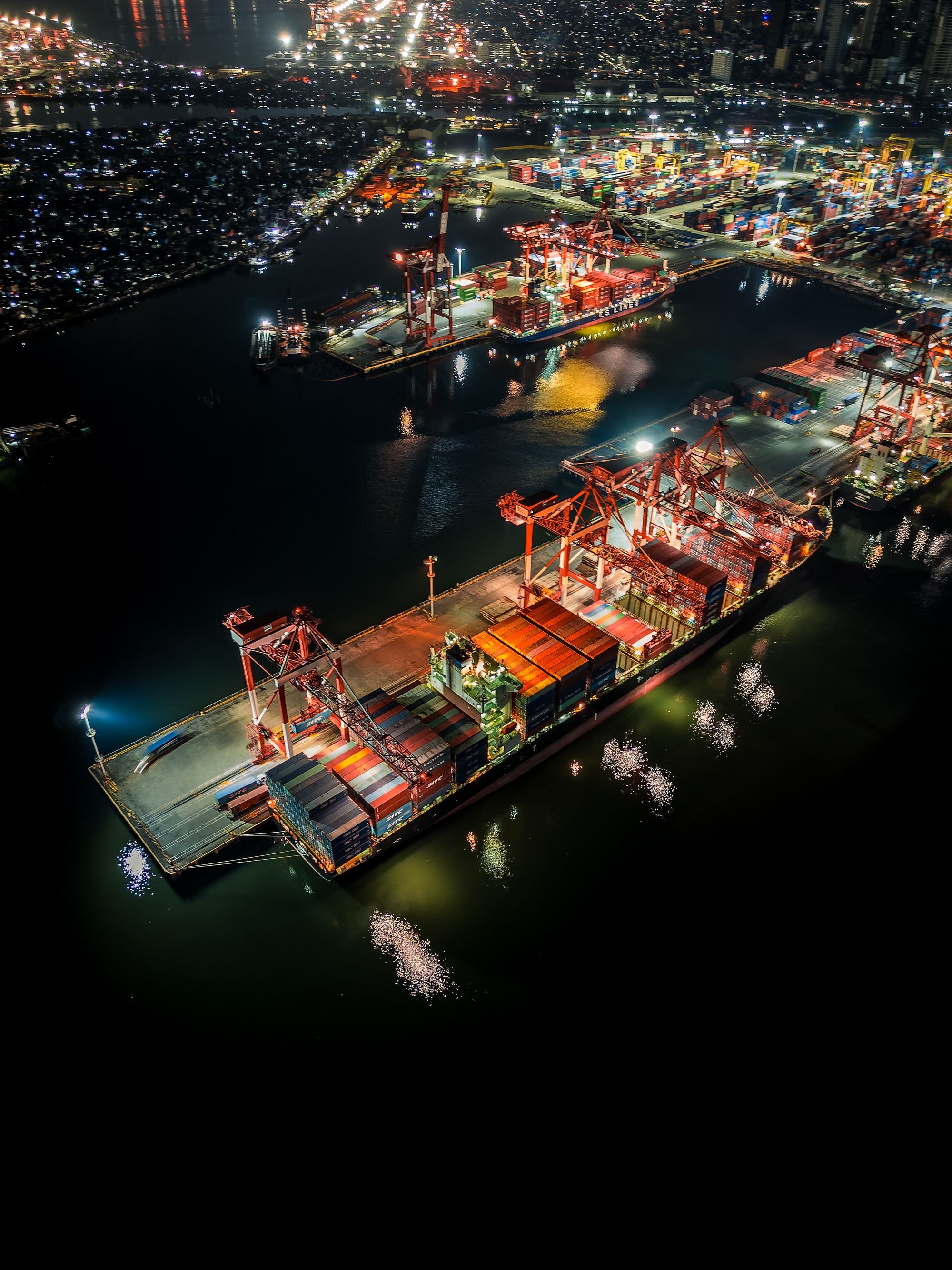
Who handles Lebanon accounts.
The Arabic-speaking desk runs every Lebanon account. It confirms eligibility, works the duty with the Beirut clearing agent, handles the dollar quote, and manages the file through the BL.
Arabic-speaking Desk
Lebanon, UAE, Saudi Arabia, Jordan, Iraq, Yemen, Kuwait, Qatar, Bahrain, Oman, and the wider Arabic-speaking markets. Sunday to Thursday business hours in Arabia Standard Time, plus extended hours by request. Beirut clearing-agent coordination on Dapex's Lebanon files.
What the desk owns.
Eligibility check on age and fuel type before quoting. The full tax-stack pre-check on the live Customs Dollar rate with the Beirut clearing agent. The dollar quote. File management through BL. Title verification before pickup, which matters on the salvage side. Container-versus-RoRo call. Escalation on customs or inspection holds.
Things buyers ask about the Lebanon lane.
Beirut, the main car port, with Tripoli serving northern Lebanon. Both are direct ocean calls from the US, container or RoRo, with no transit country.
Eight years. Lebanon prohibits importing used cars older than eight years, calculated from the model year. The desk confirms a car is inside the window before you buy.
Not a used one. Lebanon bans the import of used diesel passenger cars, so the lane is gasoline and hybrid only. This is a hard gate, so check the fuel type before bidding.
Lebanon isn't in the GCC customs union, so it doesn't use the flat 5%. A standard car carries 5% customs duty, a 45% excise, and 11% VAT, layered on top of each other, which the used-car importers' syndicate has put at roughly 61% of value to the state. And it's all assessed on the government's Customs Dollar valuation, not the raw CIF, so the live rate matters. We run the exact figure with the Beirut agent before you bid.
In US dollars. Lebanon's banking crisis makes the local system unreliable for international payment, so this trade is dollar-denominated. We quote in dollars and the BL releases against payment of that amount, which keeps local-currency risk out of the deal.
Yes. Lebanon has a large repair trade that buys and rebuilds US salvage, so salvage is part of the legitimate lane, as long as the car is inside the 8-year cap and isn't diesel. Container is the right method for a non-runner, and we verify title history before pickup.
Left-hand drive. Lebanon drives on the right, and US auction cars are LHD, so this isn't an issue on the US lane.
Roughly 25 to 35 days from the East Coast to Beirut, depending on the rotation and Suez routing, then clearance, inspection, and registration. The desk gives current numbers on the quote.
Ready to ship to Lebanon?
Send VIN, lot number, vehicle year, fuel type, and the US loading point. We'll confirm the car is inside the 8-year cap and not diesel, run the full tax stack on the live Customs Dollar rate with the Beirut agent in dollars, verify the title, price container against RoRo, and quote door to Beirut or Tripoli.