Latin America & Caribbean / Jamaica
Auto export to Jamaica.
Jamaica is a real US-car lane with an unusual rule: the paperwork comes before the ship. Every import needs a license from the Trade Board before shipping arrangements are made, plus a pre-shipment inspection in the US. Cars are capped at five to six years depending on type, returning residents get ten, and salvage is prohibited outright by Jamaica Customs. One car per individual every three years. It is a narrow, orderly lane, and running the sequence correctly is the whole job.
For reference purposes only. Regulations, policies, and procedures change constantly. Ensure you verify and validate all requirements for your specific shipments before initiating any.
The Jamaica lane, in four numbers.
Kingston is the gateway. Direct call from Florida and the East Coast on the Caribbean rotations.
Six container warehouses. Five RoRo terminals. Florida origins fit this lane naturally.
Ocean leg from Florida. The licensing and inspection steps before sailing set the real timeline.
Cars capped at 5-6 years by type per the Trade Board, 10 for returning residents. Salvage prohibited. One car per person per 3 years.
License first. Ship second. That order is the lane.
Most markets clear the car when it arrives. Jamaica approves it before it sails. The Trade Board issues the import license through the JSWIFT portal, the car passes a pre-shipment inspection and sanitization in the US, and only then does it board. Get the sequence right and Kingston is smooth. Get it backwards and you pay late fees and sit in a queue.
The individual import.
A Jamaican resident or returning resident importing within their entitlement: one motor car and one light commercial, or two light commercials, once every three years. Returning residents get the wider ten-year age window. The desk sequences the license, the inspection, and the sailing.
- Trade Board import license via JSWIFT before shipping
- Pre-shipment inspection and sanitization in the US
- Cars 5-6 years by type, returning residents up to 10
- One entitlement per person per three years
- Clean title only, salvage prohibited
The licensed dealer.
Registered dealers on the Trade Board importer register run ongoing volume under their own licensing. The same age gates and the same salvage ban apply. For dealer accounts the desk manages the license-inspection-sailing sequence as a standing rhythm rather than a one-off.
- Dealer registration with the Trade Board
- Same age caps and salvage ban as individuals
- Standing sequence: license, inspect, sail
- Duty stack at Kingston: import duty, GCT, SCT by vehicle
- Certificate of Fitness before Jamaican registration
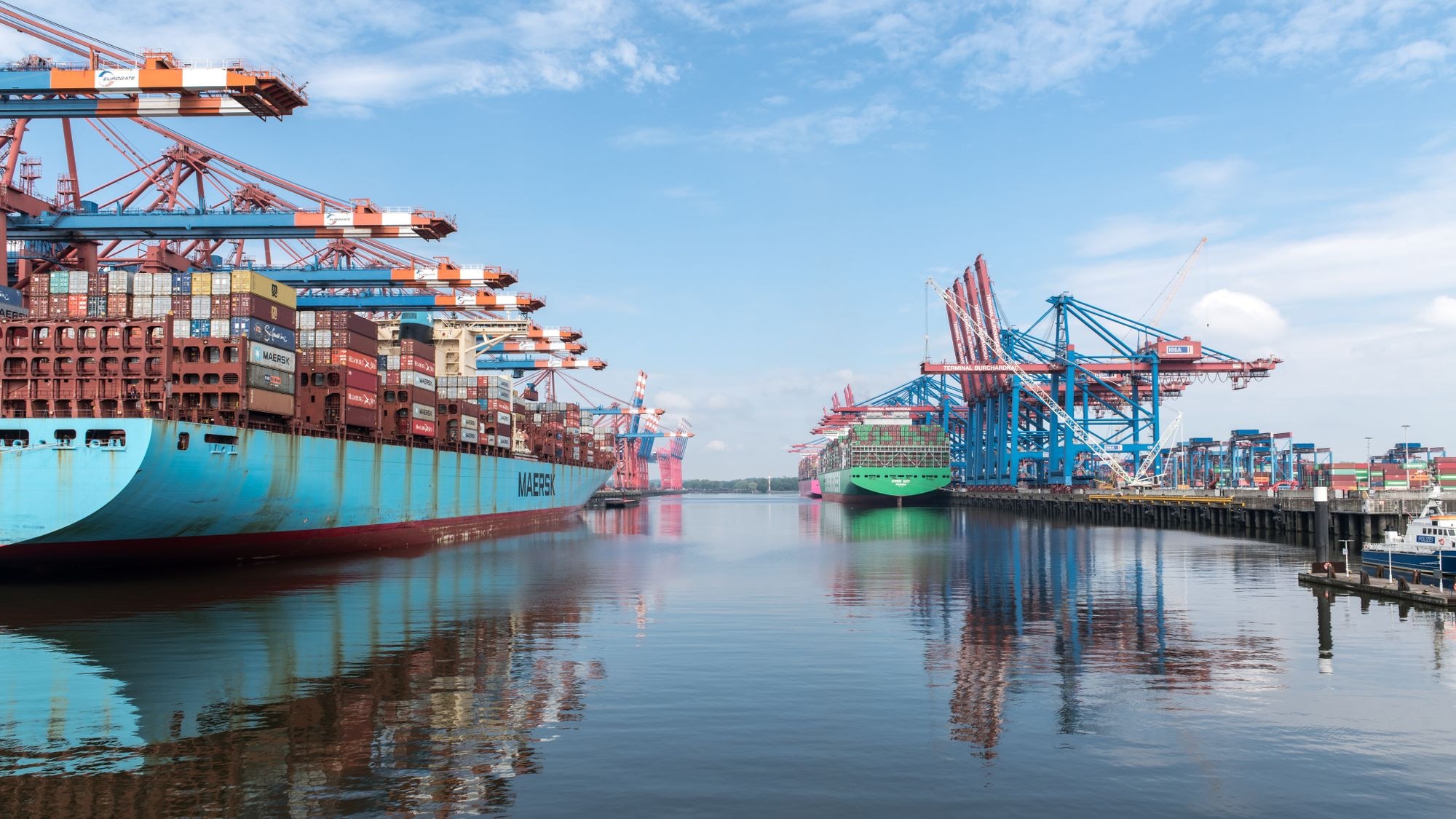
A short sail behind a long checklist.
The ocean leg from Florida is under a week. The pre-sail steps, license and inspection and sanitization, are what set the calendar. We run them in parallel where the rules allow.
Container origins
NY/NJ, Savannah, Miami, Houston, Long Beach, Seattle. Six warehouses, container loaded by our crew. Container suits higher-value cars and anything shipping with declared parts.
Miami is the natural origin for Kingston, with frequent Caribbean rotation sailings.
The pre-shipment inspection and sanitization happen before loading. We schedule them so the car does not miss its cut.
RoRo origins
Baltimore, Brunswick, Galveston, Jacksonville, Port Hueneme. Five RoRo terminals. Jacksonville and Florida serve the Caribbean rotations.
Quarter-tank fuel maximum per SOLAS rules on every booking.
RoRo is the cost pick for a running car. Same license-first sequence applies regardless of method.
US origins for this lane
| Origin | Method | Transit |
|---|---|---|
| NY/NJ | Container, via Florida consolidation | Quoted per routing |
| Savannah | Container, via Florida consolidation | Quoted per routing |
| Miami | Container | 4-8 days |
| Houston | Container, via Florida consolidation | Quoted per routing |
| Long Beach | Container, via Florida consolidation | Quoted per routing |
| Seattle | Container, via Florida consolidation | Quoted per routing |
| Baltimore | RoRo, per Caribbean rotation | Confirmed at quote |
| Brunswick | RoRo, per Caribbean rotation | Confirmed at quote |
| Galveston | RoRo, per Caribbean rotation | Confirmed at quote |
| Jacksonville | RoRo | 4-8 days |
| Port Hueneme | RoRo, per Caribbean rotation | Confirmed at quote |
Any origin can serve this lane. The desk quotes the routing that fits where your freight sits.
The file is built before the ship sails.
Jamaica wants the license, the inspection certificate, the title, and identification lined up in advance. The clearance at Kingston then follows a known script.
Required documents
Original title or bill of sale
Exception: vehicles 25+ years can ship under salvage certificate per US Customs rules. Otherwise, clean title required before booking.
Commercial invoice
Issued by Dapex on letterhead. Buyer or consignee, vehicle details, declared value, HBL number.
Packing list
Standard format. Critical when vehicles are co-loaded with personal effects in containers.
HBL
Consigned to the buyer or their clearing agent. Released after payment of the quoted amount.
Before sailing: License and inspection.
- Import license application on JSWIFT with vehicle details and documents
- Trade Board processing, then permit in hand before shipping arrangements
- Pre-shipment inspection by the approved inspector in the US
- Sanitization step completed and certified
- Late permit fees apply when cars ship before the license exists
At Kingston: Clears and registers.
- Clearing agent files with Jamaica Customs at Kingston
- Duty stack paid: import duty, GCT, and SCT by vehicle class
- Motor Vehicle Examination Depot issues the Certificate of Fitness
- Registration at the Tax Collectorate with the import entry
- Dapex stops at port discharge and delivers the HBL on arrival
What Dapex files, US side
AES filing with US Customs. ISF where required. HBL issuance under Dapex's NVOCC license. Commercial invoice and packing list on Dapex letterhead. Pre-alert pack to your clearing agent with all documents at vessel sailing.
Recent and clean, or not at all.
The Jamaica screen is strict and predictable. The desk applies it at the bid stage so the Trade Board application never gets built on a car that cannot pass.
Recent clean-title stock.
Cars inside the 5-6 year window with genuinely clean titles. Pickups within their weight and age limits. Both LHD and RHD register in Jamaica, so US LHD stock is fine.
Salvage, damage, over-age.
Any vehicle in a damaged or salvaged state, prohibited outright. Cars over the age window for the importer type. Imports outside the once-per-three-years entitlement for individuals.
Same as every lane.
Clean title or salvage cert (25-year exception, moot under the Jamaica ban), no unreleased liens, no personal effects loose in RoRo.
What moves the rate on this lane.
Locked components stay locked. Pass-through moves with carrier and port pricing. The Jamaica-specific variance is mostly on the fee and duty side.
Our work, our cost.
- Warehouse operations
- Booking fee
- Documentation handling
- Dispatch coordination
- HBL issuance
Carrier and port-driven.
- Ocean freight (carrier-set)
- Routing and transshipment surcharges
- Fuel and bunker surcharges
- Origin port charges (container and RoRo)
- THC at discharge port
- Inland trucking to loading point
Service standards.
- Compliance
- Documentation accuracy
- Submission urgency
- Dispatch priority
Lane-specific drivers
Inspection and sanitization fees
The pre-shipment inspection and the mandatory sanitization carry per-vehicle fees in the tens to low hundreds of dollars. They are fixed program costs, itemized on the quote, not hidden in freight.
Duty stack by vehicle class
Import duty, GCT, and SCT vary by vehicle type, engine size, and value. The swing between a small sedan and a large SUV is real money. The desk runs the exact stack before you bid.
License timing
The Trade Board processes applications in days when the file is clean. A missing document stretches it, and a car shipped before the license exists draws a late permit fee. We sequence it so the license is always in hand first.
Caribbean rotation capacity
The December wave tightens space on the Kingston services as the diaspora ships home. Pre-book in the fall.
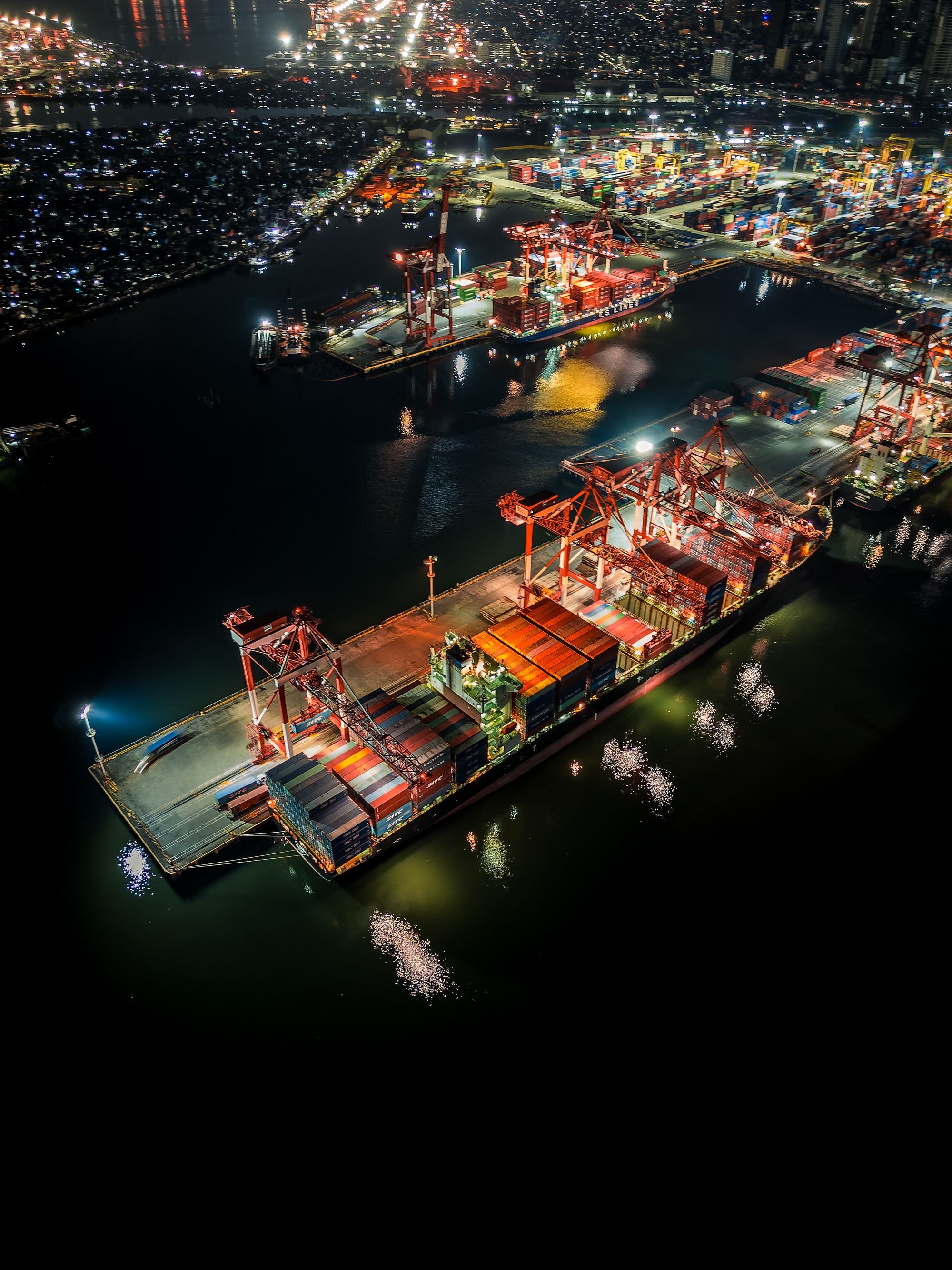
Who handles Jamaica accounts.
The Spanish-speaking desk runs the wider Caribbean, and Jamaica files run in English end to end.
Spanish-speaking Desk
Latin America and the Caribbean. Business hours across US Eastern and Latin American time zones, plus extended hours by request.
What the desk owns.
Quote signing, file management through BL, escalation on title or compliance issues, coordination with your destination agent or clearing agent. The desk lead's name and direct line are on every quote we send.
Things buyers ask about the Jamaica lane.
Two things. The Trade Board import license, applied for through the JSWIFT portal and issued before shipping arrangements are made. And the pre-shipment inspection plus sanitization in the US. We sequence both so the car makes its sailing.
Five to six years for cars depending on type, per the Trade Board schedule, and up to ten years for returning residents. Trucks and heavy equipment run far older. We confirm the exact window for your vehicle class before you bid.
No. Jamaica Customs prohibits vehicles in a damaged or salvaged state, and the pre-shipment inspection screens for them. Clean title only.
As an individual or returning resident, one motor car and one light commercial vehicle, or two light commercials, once every three years. Dealers on the Trade Board register operate under their own licensing.
Yes. Jamaica drives on the left and most imports are RHD from Japan, but LHD vehicles are permitted to import and register. Plenty of US stock runs on Jamaican roads.
Import duty, GCT, and SCT stacked by vehicle class, engine size, and value. The combined burden is substantial and varies widely by car, so the desk runs the exact stack on your specific vehicle before you commit.
Clearance at Kingston, then the Certificate of Fitness from the Motor Vehicle Examination Depot, then registration at the Tax Collectorate. The desk pre-alerts your clearing agent with the full document pack at sailing.
The ocean leg is 4 to 8 days from Florida. The license and inspection add days to a couple of weeks up front depending on file readiness. Sequenced correctly, door to Kingston clearance commonly runs three to four weeks.
Ready to ship to Jamaica?
Send VIN, lot number, your importer status (individual, returning resident, or dealer), and consignee details. We screen the car against the age window and the salvage ban, build the Trade Board application, schedule the inspection, and quote door to Kingston. Itemized quote signed by your account manager within 4 business hours.