Middle East / Iraq
Auto export to Iraq
Iraq runs on two customs authorities, and Dapex runs two corresponding lanes. Most of the Federal Iraq auto imports clear at Umm Qasr in the south, where Council of Ministers Decision 957/2025 brought in item-based duty assessment and a 2-year non-armored age cap. Kurdistan Region imports clear KRG customs at the Habur border after overland transit from Mersin International Port in Turkey, under KRG rules that don't carry the federal cap. The car loads at the same US warehouse either way. What changes is where it goes once it leaves.
For reference purposes only. Regulations, policies, and procedures change constantly. Ensure you verify and validate all requirements for your specific shipments before initiating any.
The Iraq lane, in four numbers.
Umm Qasr direct for federal Iraq. Mersin in Turkey, then overland to Habur for Kurdistan. Different authorities, different rules.
Six container warehouses, five RoRo terminals. Containerized for federal Iraq; RoRo or container into Mersin for Kurdistan.
Mersin to Kurdistan can run as fast as 18-23 days. Umm Qasr direct is 25-45 days depending on US coast.
Federal Iraq's hard rule on non-armored cars. KRG doesn't carry the same cap, which is why Kurdistan is a different lane.
Two customs authorities. Two Dapex lanes.
Iraq isn't one regulatory market. Federal Iraq and the Kurdistan Region run separate customs administrations with separate rules, and Dapex has a separate routing for each. The lane choice is operational: where the buyer is, what the vehicle is, and which customs authority will actually clear it. We pick the lane that fits.
Direct US to Umm Qasr.
Vehicle ships direct from US East Coast or Gulf to Umm Qasr, the south's commercial port that handles roughly 90% of national vehicle volume. The buyer's licensed clearing agent files the federal Iraqi customs declaration under Decision 957/2025's item-based duty framework. Ministry of Transport runs a technical inspection. Works for vehicles under the 2-year non-armored cap, and for armored or government imports under their specific approval routes.
- 2-year age cap on non-armored vehicles
- Item-based duty under Decision 957/2025
- Serves Baghdad, Basra, southern and central Iraq
- LHD only
US to Mersin, then overland to KRI.
Vehicle ships from the US to Mersin International Port in southern Turkey, which runs a dedicated 70,000 m² car terminal specifically for Iraq transit trade. The car unloads at Mersin, reloads onto an articulated car carrier, and moves overland through Turkey under T1 in-transit customs status to the Habur and Ibrahim Khalil border crossing at Zakho. KRG customs clears at the border, with no federal Iraqi customs involvement. Avoids the Strait of Hormuz entirely.
- Serves Zakho, Duhok, Erbil, Sulaymaniyah, Kirkuk
- KRG customs rules apply, not the federal 2-year cap
- Mersin to Zakho overland: 4-5 days minimum
- No Hormuz exposure, no Suez routing
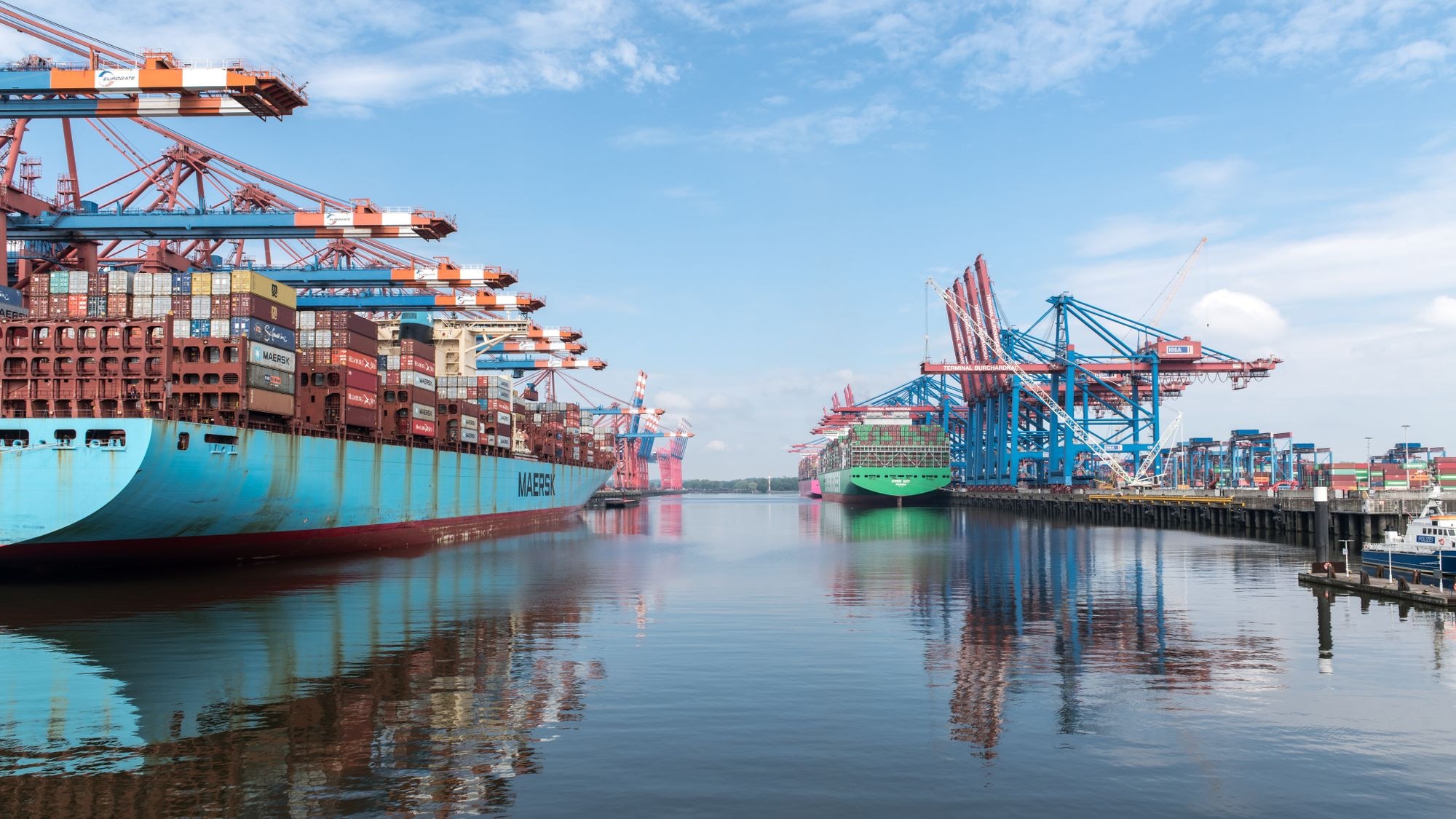
Same US loading. Two different ocean-plus-inland chains.
The US-side operation is identical on both lanes. The car loads at one of our six container warehouses or five RoRo terminals and moves on weekly cuts. What differs is the ocean route and the inland handoff. Federal Iraq goes direct to Umm Qasr through the Strait of Hormuz. Kurdistan goes to Mersin and across Turkey by road.
Federal Iraq direct to Umm Qasr
Load at one of six container warehouses: NY/NJ, Savannah, Miami, Houston, Long Beach, Seattle. Weekly cuts on Maersk, MSC, CMA CGM, Hapag-Lloyd. The container sails to Umm Qasr through the Strait of Hormuz. RoRo runs to Umm Qasr on certain rotations and otherwise transships at a Gulf hub on a carrier arrangement.
Routing variable: Hormuz transit. Carrier participation and insurance pricing reflect current threat assessments, and the desk flags risk on quotes during constrained periods.
Transit: roughly 25-30 days from the East Coast, 30-35 days from the Gulf, 40-45 days from the West Coast.
Kurdistan via Mersin and Habur
Load the same way, then sail to Mersin International Port in southern Turkey on a Mediterranean service, often direct. MIP's dedicated car terminal unloads the container or RoRo, and the vehicle reloads onto a multi-deck articulated car carrier for the overland leg under T1 in-transit customs status. No Turkish import duties apply because the cargo isn't being imported into Turkey, only transiting.
Routing variable: the Habur and Ibrahim Khalil border crossing. It's the busiest land border in the Middle East, with around 2,200-vehicle daily throughput, and queues happen in peak seasons.
Transit: roughly 14-18 days East Coast to Mersin, plus 4-5 days overland to KRI, so 18-23 days door to Zakho or Erbil on a good run.
Two customs gates, different paperwork at each.
There's no pre-shipment certification regime like SABER or SONCAP for Iraq. The compliance work happens at the customs gate that matches the lane. Federal Iraq under Decision 957/2025 and the Ministry of Transport inspection. KRG at the Habur border, separate from federal Iraq, with its own rules.
The clearance path, federal Iraq
US-side preparation
AES filing, ISF where required, HBL issuance under Dapex's NVOCC license, commercial invoice, packing list. Clean title for direct registration. HBL consigned to the federal Iraqi buyer or their licensed clearing agent at Umm Qasr.
Ocean transit and discharge at Umm Qasr
Direct through the Strait of Hormuz. The bill of lading releases against payment. The buyer's clearing agent collects on arrival.
Federal customs under Decision 957/2025
Iraqi Customs assesses duty per vehicle on individual valuation under the item-based framework that replaced the old fixed container-fee structure. The clearing agent handles the valuation engagement.
Ministry of Transport inspection and registration
Mechanical, electrical, emissions, and condition check on every imported vehicle, required before release. Under-2-year non-armored vehicles register normally. Armored vehicles and government, NGO, or diplomatic imports route case by case through the Ministry of Interior under their own approval frameworks.
The clearance path, Kurdistan via Mersin
US-side preparation
AES filing, ISF, HBL issuance, commercial invoice, packing list. HBL consigned to the Mersin-side trucking operator or to a KRI-based clearing partner, depending on the buyer's arrangement.
Mersin discharge and T1 transit through Turkey
Cargo enters Turkey under T1 in-transit customs status, no Turkish import duties apply because the cargo isn't being imported into Turkey, just transiting. Containers and RoRo unload at MIP's dedicated car terminal, which holds Specialized Automotive Customs status that streamlines the handoff. The vehicle reloads onto a multi-deck car carrier for the overland run.
Overland Mersin to Habur
The truck route runs Mersin to Habur and Silopi on the Iraq-Turkey border, 4-5 days minimum, longer for destinations beyond Zakho. Turkish exit customs at Habur clears the T1 transit.
KRG customs at Ibrahim Khalil
The actual customs gate for KRI imports. KRG operates its own customs authority at the border, with federal Iraqi customs having no involvement. KRG rules apply to age, duty, and registration. The federal 2-year cap doesn't bind here.
KRI registration
Vehicle moves to its final destination in KRI, Duhok, Erbil, Sulaymaniyah, or Kirkuk, and registers under KRG regional procedures.
Required documents (both lanes)
Original title
Clean title for direct registration. Salvage situations require additional documentation and may not register.
Commercial invoice on Dapex letterhead
Vehicle details, declared value, HBL number.
Packing list
Standard format. Needed when personal effects are co-loaded in a container.
HBL
Consigned to the federal Iraqi buyer or clearing agent (Profile A), or to the Mersin-side trucking operator or KRI clearing partner (Profile B). Released after payment of the quoted amount.
What Dapex files, US side
AES filing with US Customs. ISF where required. HBL under Dapex's NVOCC license, consigned to the federal Iraqi buyer or clearing agent on Profile A, or to the Mersin-side trucking operator or KRI clearing partner on Profile B. Commercial invoice and packing list on Dapex letterhead. Title verification through our title team before pickup. The lane call between federal direct and Kurdistan via Mersin, based on the buyer's location, the vehicle, and which customs authority will clear it. Pre-alert pack to the federal Iraqi clearing agent at Umm Qasr, or to the Mersin-side trucking operator or KRI clearing partner for Profile B. The Arabic-speaking desk owns the file end to end.
If your plan is the UAE re-export pattern for an older federal-Iraq-bound vehicle, Dapex's actual booking is a UAE shipment with the UAE trader as the consignee, and the right reference is the UAE page. We don't carry that under an Iraq file because we wouldn't be screening the actual Iraqi recipient.
Age and destination pick the lane.
Federal Iraq's 2-year cap is the strictest registration rule in the region, but it only binds where the car registers in federal Iraq. KRG clears under its own rules, which is why Kurdistan is a separate lane and a broader age range can move there.
Federal Iraq, under 2 years.
Recent-model-year SUVs, sedans, pickups for buyers in Baghdad, Basra, central and southern Iraq. Toyota Land Cruiser, Hilux, Camry. Lexus LX 600 and GX 460. Ford F-150, Explorer. Hyundai Palisade. American trucks and SUVs run particularly strong on this lane. LHD only.
Kurdistan, broader age range.
Buyers in Duhok, Erbil, Sulaymaniyah, Kirkuk. KRG customs rules apply at Habur, not federal Iraq's 2-year cap, so older vehicles can move on this lane when KRG regulations permit. Toyota Land Cruiser, Hilux, Prado, the Lexus full lineup, US trucks, and SUVs are the volume movers. LHD only on this lane too.
And the standing rules.
RHD vehicles, since Iraq's onward market is LHD-only. Cargo we can't screen, or that's bound for entities or destinations we can't clear. We don't take a Yemen-style UAE-resale routing under an Iraq file. Standing Dapex rules also hold: clean title or salvage certificate, no unreleased liens, no personal effects loose in RoRo. Quarter-tank fuel maximum on RoRo per SOLAS.
What moves the rate on this lane.
Two lanes, two rate structures. Federal direct prices around Hormuz exposure and the Decision 957/2025 duty math. Kurdistan via Mersin prices around the Mediterranean ocean leg, the Turkish overland, and Habur throughput. The lane call drives more than any single line item.
Our work, our cost.
- Warehouse operations
- Booking fee
- Documentation handling
- Title verification
- Lane selection
- HBL issuance
- Pre-alert coordination
Carrier and routing-driven.
- Ocean freight (carrier-set)
- Fuel and bunker surcharges
- Hormuz risk pricing where it applies
- Umm Qasr port handling
- Mersin terminal handling
- Turkish overland trucking, Mersin to Habur
- Inland trucking to US loading point
Service standards.
- Compliance
- Documentation accuracy
- Submission urgency
- Dispatch priority
Lane-specific drivers
Decision 957/2025 duty structure
The shift from fixed container fees to item-based duty assessment at Umm Qasr changed the math more for low-value vehicles than for high-value ones. The desk shares current duty math on quotes, since ground-level rates evolve as federal Iraqi Customs refines the framework.
Mersin economics on Profile B
Ocean to Mersin runs cheaper than ocean to Umm Qasr from many origins. The trade-off is the overland leg: Mersin to Habur trucking on articulated car carriers adds 4-5 days minimum and a per-vehicle inland cost, which the desk prices into the door-to-Erbil number.
Hormuz routing on Profile A
Direct US to Umm Qasr routes through the Strait of Hormuz. Carrier participation and insurance pricing reflect current threat assessments. The desk flags the risk premium on quotes during constrained periods. Profile B avoids Hormuz entirely.
Habur throughput on Profile B
Ibrahim Khalil is the busiest land border in the Middle East with roughly 2,200-vehicle daily capacity. Daily traffic is heavy and queues happen, especially during seasonal peaks. We build that into the transit range rather than promising the floor.
Title quality
The buyer or their clearing agent runs their own VIN check, so we verify title before pickup and flag any branded history in advance.
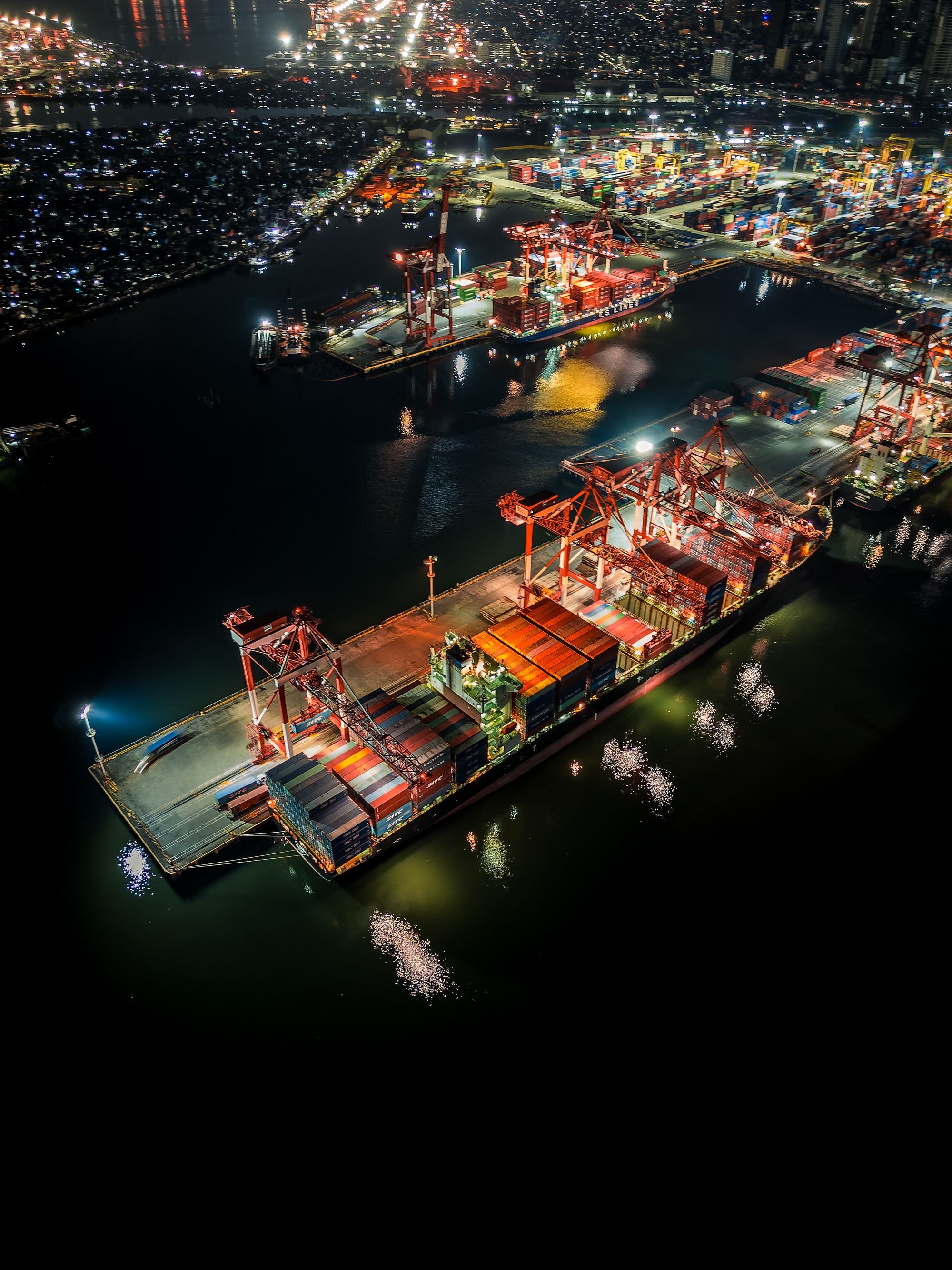
Who handles Iraq accounts.
The Arabic-speaking desk runs every Iraq account. The most consequential call on this lane is the lane itself, federal direct or Kurdistan via Mersin, and the desk makes it before quoting based on the buyer's location, the vehicle, and which customs authority will clear it.
Arabic-speaking Desk
Iraq, UAE, Saudi Arabia, Jordan, Yemen, Lebanon, and the wider Arabic-speaking markets. Sunday to Thursday business hours in Arabia Standard Time, plus extended hours by request. Kurdish-language coordination available through partner clearing operators on the Mersin and KRI lane.
What the desk owns.
The lane call between federal direct and Kurdistan via Mersin, based on buyer location, vehicle, and customs authority. File management through BL. Title verification before pickup. Mersin-side trucking partner coordination on KRI shipments and federal Iraqi clearing agent coordination on Umm Qasr shipments. Escalation on customs holds or Habur queues. Honest redirect to the UAE page when the actual request is a UAE re-export booking.
Things buyers ask about the Iraq lane.
It depends on which Iraq you're shipping to. Federal Iraq goes to Umm Qasr direct from the US through the Strait of Hormuz. Kurdistan goes to Mersin International Port in Turkey, then overland by articulated car carrier to the Habur and Ibrahim Khalil border, where KRG customs clears it. The two have separate customs authorities and separate rules. The desk picks the lane based on where the buyer is and what they're shipping.
Honestly, Dapex doesn't have a federal-Iraq Dapex routing for a non-armored car older than 2 years, because federal customs won't let one register. The pattern most of the market uses is a UAE free zone resale, where the car gets sold to a UAE trader in DUCAMZ or Jebel Ali and the trader re-ships to Iraq separately. From our side that's a UAE booking, and the right reference is our UAE page. We'd rather tell you that than dress it up as an Iraq lane we don't run.
Council of Ministers Decision 957/2025 replaced the old fixed container-fee structure at Umm Qasr with item-based duty assessment, where Iraqi Customs values each vehicle individually. It changes the math more for low-value vehicles than for high-value ones. The clearing agent runs the per-vehicle number on every quote, since the framework is still being refined at the ground level.
Because it has separate customs. The Kurdistan Regional Government runs its own customs authority at the Habur and Ibrahim Khalil border, and KRG rules don't carry federal Iraq's 2-year age cap. So Kurdistan can take vehicles federal Iraq won't take, and the routing through Mersin and Turkey under T1 transit avoids the Hormuz exposure of the southern lane. That's a different lane, not the same lane with a detour.
No, on either lane. Iraq's onward market is LHD only and registration won't take RHD on either federal or KRG sides. The UAE workaround doesn't help here either, since the onward market is the same Iraq market.
On a good run, 18-23 days door to Erbil via Mersin from the East Coast. 25-30 days door to Umm Qasr from the East Coast direct, 30-35 from the Gulf, 40-45 from the West Coast. Habur queues and Hormuz reroutes can push either lane longer. The desk gives current numbers on the quote.
Those route case by case under their own approval frameworks. Armored, government, NGO, and diplomatic imports clear federal Iraq under specific Ministry of Interior approvals rather than the standard registration path. The desk handles these on the file when the buyer brings the approval; we don't shortcut it.
No. Mersin and Habur are the Kurdistan lane, and KRG registers the vehicle. The car ends up registered in KRI, not in Baghdad or Basra. If the buyer is in federal Iraq and wants to register there, the lane has to be Umm Qasr under federal customs. We won't route a federal buyer through KRG to dodge the cap.
Ready to ship to Iraq?
Send VIN, lot number, vehicle year, the buyer's city, and the US loading point to the Arabic-speaking desk. We'll pick the lane (federal direct to Umm Qasr or Kurdistan via Mersin), price the door-to-destination number, verify the title, and quote. If your plan is actually the UAE free-zone route for an older federal-Iraq car, we'll tell you straight and point you at the UAE quote.