Latin America & Caribbean / Honduras
Auto export to Honduras.
Honduras is a steady US-car market served through Puerto Cortes, the deepest port on the Central American Atlantic coast and a short sail from the US Gulf. The working rules: a 10-year age cap on passenger cars (with some sources reporting 7 for certain categories, which we confirm per vehicle), left-hand drive only with RHD banned outright, and a duty stack that CAFTA-DR can cut substantially on US-built cars. One source reports rebuilt vehicles are not permitted, which conflicts with the known salvage flow into Honduran workshops, so title treatment on damaged cars gets confirmed before you bid.
For reference purposes only. Regulations, policies, and procedures change constantly. Ensure you verify and validate all requirements for your specific shipments before initiating any.
The Honduras lane, in four numbers.
Puerto Cortes, the region's deepwater Atlantic gateway. Direct call from Gulf and East Coast origins.
Six container warehouses. Five RoRo terminals. Houston and Gulf origins are the natural fit.
Gulf to Cortes is one of the shortest Central America legs. East Coast slightly longer.
Passenger cars capped at 10 years (7 reported for some categories, confirmed per vehicle). RHD banned outright. Euro 4 equivalent emissions.
A short lane with firm gates.
Honduras keeps the rules simple and the enforcement real. Inside ten years, LHD, and emissions-compliant, a US car clears Cortes and registers. Outside the gates, rejection at customs with no reliable appeal path. The desk screens at the bid stage so the gates never surprise you at the dock.
Clean stock for registration.
A US car inside the ten-year cap with a clean title lands at Cortes, clears customs with the duty stack or the CAFTA-DR preference, passes emissions verification, and registers. Pickups are the backbone of this market and US stock fits it naturally.
- Inside the 10-year cap off the manufacture date
- Duty plus 15% sales tax on the landed value
- CAFTA-DR preference for qualifying US-built cars
- Euro 4 equivalent emissions with test certificate
- LHD only, RHD banned outright
Damaged-title cars, confirmed first.
US salvage has long flowed into Honduran workshops, but a current source reports rebuilt vehicles are not permitted for import. That conflict gets resolved per vehicle, in writing, through the clearing agent before any salvage bid. Where the answer is no, the desk points the strategy at a market where it is yes.
- Source conflict on rebuilt and salvage admissibility
- Treatment confirmed in writing before purchase
- Container for any non-running unit
- Title history verified before pickup
- Guatemala and Haiti as fallback rebuild markets where needed
The Gulf shortcut.
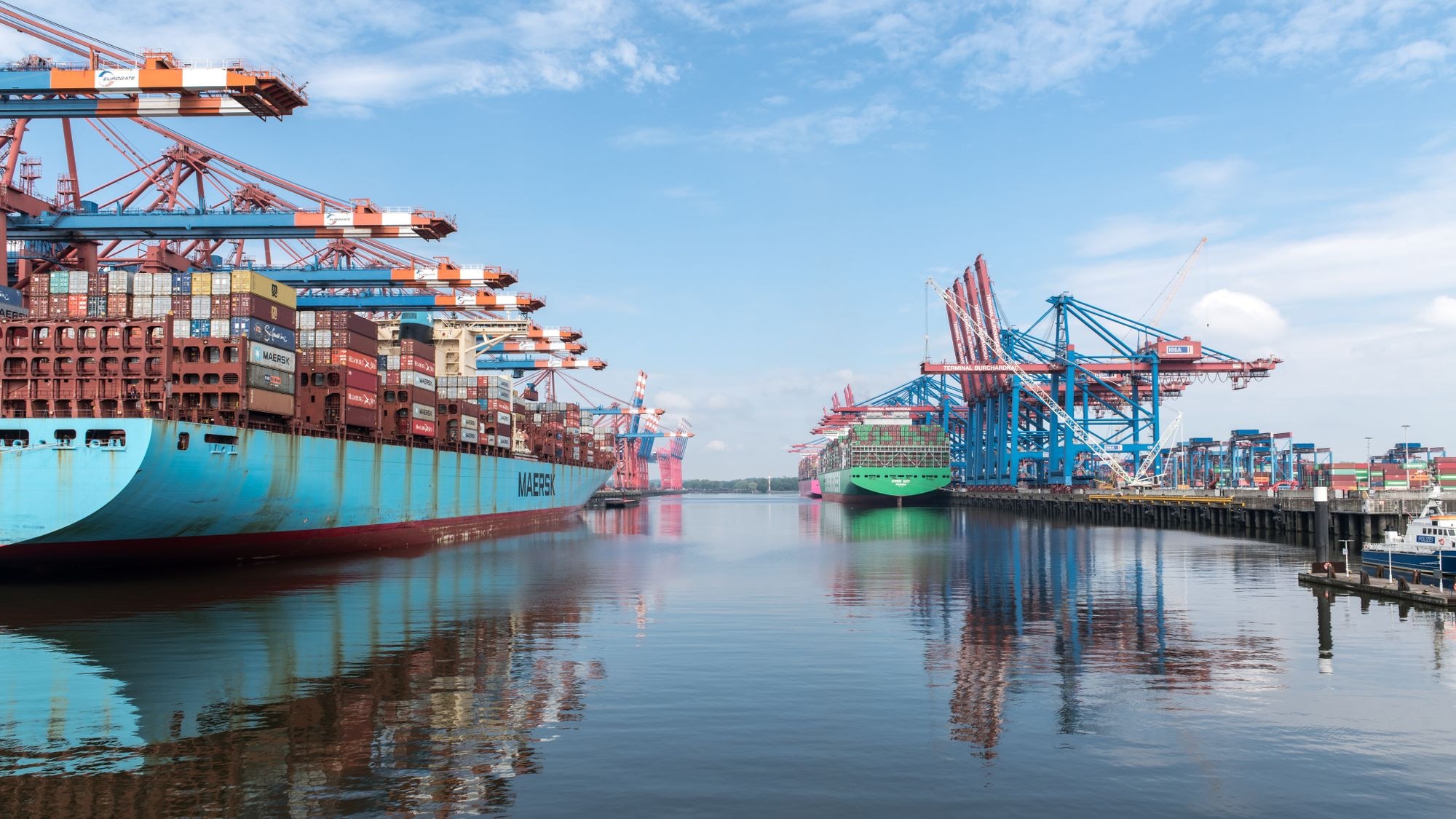
Houston to Puerto Cortes is among the shortest international vehicle lanes in the Dapex network. Origin choice is mostly about where your auction freight already sits.
Container origins
NY/NJ, Savannah, Miami, Houston, Long Beach, Seattle. Six warehouses, container loaded by our crew. Houston is the natural origin for Cortes, with Miami close behind.
A 40HC commonly holds four cars, five when they nest, three when they are full-size. A 45HC container service is also available at limited availability.
Container is the pick for higher-value cars, confirmed damaged-title units, and anything moving with declared parts.
RoRo origins
Baltimore, Brunswick, Galveston, Jacksonville, Port Hueneme. Five RoRo terminals. Galveston and Jacksonville serve the Cortes rotations.
Quarter-tank fuel maximum per SOLAS rules on every booking.
RoRo wins on running cars on this short leg. The desk prices both methods on every quote.
US origins for this lane
| Origin | Method | Transit |
|---|---|---|
| NY/NJ | Container, via Gulf consolidation | Quoted per routing |
| Savannah | Container, via Gulf consolidation | Quoted per routing |
| Miami | Container | 5-10 days |
| Houston | Container | 5-10 days |
| Long Beach | Container, via Gulf consolidation | Quoted per routing |
| Seattle | Container, via Gulf consolidation | Quoted per routing |
| Baltimore | RoRo, per Cortes rotation | Confirmed at quote |
| Brunswick | RoRo, per Cortes rotation | Confirmed at quote |
| Galveston | RoRo | 5-10 days |
| Jacksonville | RoRo | 5-10 days |
| Port Hueneme | RoRo, per Cortes rotation | Confirmed at quote |
Any origin can serve this lane. The desk quotes the routing that fits where your freight sits.
Standard file, emissions certificate included.
Honduras wants the emissions test certificate alongside the standard document pack, and CAFTA-DR origin paperwork where the preference is claimed. All of it is built US-side before sailing. Foreign consignee is not acceptable, local consignee must be identified on the BL.
Required documents
Original title or bill of sale
Exception: vehicles 25+ years can ship under salvage certificate per US Customs rules. Otherwise, clean title required before booking.
Commercial invoice
Issued by Dapex on letterhead. Buyer or consignee, vehicle details, declared value, HBL number.
Packing list
Standard format. Critical when vehicles are co-loaded with personal effects in containers.
HBL
Consigned to the buyer or their clearing agent. Released after payment of the quoted amount.
Tax Identification Number
RTN number for consignee must be presented on the carrier bill of lading.
What runs after the BL
At the port: Clears Honduran customs
Your clearing agent files the import declaration at Cortes. Age verified off the VIN and manufacture date. Duty on CIF, CAFTA-DR preference where origin qualifies. 15% sales tax on the duty-inclusive value. Emissions certificate presented at clearance.
After clearance: Inland and plates
Inland trucking from Cortes to San Pedro Sula and Tegucigalpa where booked. Vehicle inspection and registration with Honduran authorities. CAFTA-DR certificate filed with the import entry where claimed. Returning Hondurans: the desk walks through any personal-import provisions. Dapex stops at port discharge and delivers the HBL on arrival.
What Dapex files, US side
AES filing with US Customs. ISF where required. HBL issuance under Dapex's NVOCC license. Commercial invoice and packing list on Dapex letterhead. Pre-alert pack to your clearing agent with all documents at vessel sailing.
Ten years, LHD, emissions. Then it ships.
The Honduras screen is short and firm. We apply it before the auction so Cortes is a formality.
Recent LHD stock.
Cars and pickups inside the ten-year cap with clean titles and Euro 4 equivalent emissions. Pickups and SUVs are the heart of this market.
RHD and over-age.
Right-hand-drive vehicles, banned outright with no conversion path. Cars past the age cap for their category. Heavily modified vehicles outside standard specification.
Same as every lane.
Clean title or salvage cert (25-year exception), no unreleased liens, no personal effects loose in RoRo. Damaged-title admissibility confirmed in writing before purchase.
What moves the rate on this lane.
Locked components stay locked. Pass-through moves with carrier and port pricing. Four things drive variance on this lane.
Our work, our cost.
- Warehouse operations
- Booking fee
- Documentation handling
- Dispatch coordination
- HBL issuance
Carrier and port-driven.
- Ocean freight (carrier-set)
- Routing and transshipment surcharges
- Fuel and bunker surcharges
- Origin port charges (container and RoRo)
- THC at discharge port
- Inland trucking to loading point
Service standards.
- Compliance
- Documentation accuracy
- Submission urgency
- Dispatch priority
Lane-specific drivers
CAFTA-DR origin work
Zero or reduced tariff on qualifying US-built vehicles is the biggest single saving on this lane. We check the build plant off the VIN and prepare the certificate with the invoice pack.
Duty by displacement and value
The stack scales with engine size and value, and the swing is real between a compact and a full-size pickup. The desk runs the exact number before you bid.
Inland leg to the cities
Cortes to San Pedro Sula is short. Cortes to Tegucigalpa is a real trucking leg over mountain roads. Where the buyer sits changes the door-to-door number.
Gulf rotation schedules
The short Gulf services run frequently but on smaller vessels. Holiday-season space tightens. Pre-book in the fall.
Who handles Honduras accounts.
The Spanish-speaking desk runs every Honduras account. Same person from the first quote through every BL.
Spanish-speaking Desk
Latin America and the Caribbean. Business hours across US Eastern and Latin American time zones, plus extended hours by request.
What the desk owns.
Quote signing, file management through BL, escalation on title or compliance issues, coordination with your destination agent or clearing agent. The desk lead's name and direct line are on every quote we send.
Things buyers ask about the Honduras lane.
Puerto Cortes, the deepwater Atlantic gateway. It is a direct call from the Gulf and East Coast, and the desk arranges inland trucking to San Pedro Sula or Tegucigalpa where booked.
Ten years for passenger cars by the prevailing rule, with some sources reporting seven for certain categories. Any car past seven years gets its treatment confirmed with the clearing agent before you commit. The count runs from the manufacture date.
No. The RHD ban is absolute, regardless of age or value, with no conversion path. US auction cars are LHD so this rarely bites on the US lane.
The sources conflict: salvage has long flowed into Honduran workshops, but a current source reports rebuilt vehicles are not permitted. We confirm treatment in writing per vehicle before any salvage bid, and reroute the strategy where the answer is no.
Duty on the CIF value plus 15% sales tax, scaled by engine size and value. A qualifying US-built car under CAFTA-DR clears at zero or reduced tariff, which is the biggest saving available on this lane.
Honduras applies a Euro 4 equivalent standard with a test certificate at clearance. Most recent US cars pass comfortably. The desk confirms per vehicle.
Five to ten days on the water from the Gulf, then clearance and registration. Door to plates commonly runs two to three weeks with clean paperwork.
Yes. The desk arranges the inland leg to San Pedro Sula, Tegucigalpa, or elsewhere, priced on the quote. Dapex's BL runs to port discharge and the inland move is booked as its own leg.
Ready to ship to Honduras?
Send VIN, lot number, vehicle year, and consignee details to the Spanish-speaking desk. We screen the age and drive side, run the CAFTA-DR check, confirm title treatment where it needs confirming, and quote door to Cortes with the inland leg where you want it. Itemized quote signed by your account manager within 4 business hours.