Latin America & Caribbean / Bolivia
Auto export to Bolivia.
Let's be straight about Bolivia, because most of what you have heard about this market describes the illegal version of it. The legal rules are severe: the current US Commercial Guide reports Bolivia authorizes vehicle imports only one year old or newer, right-hand drive is banned, small diesels and LPG conversions are banned, and older published caps (three years, five years) still circulate and confuse. The famous Bolivian used-car market runs largely on cars crossed informally from Chilean free zones. Dapex does not run that trade. What we can do honestly is narrow, and this page says exactly what it is.
For reference purposes only. Regulations, policies, and procedures change constantly. Ensure you verify and validate all requirements for your specific shipments before initiating any.
The Bolivia lane, in four numbers.
Bolivia is landlocked. Legal cargo moves through Chilean ports, Arica foremost, under treaty transit arrangements, then overland to La Paz or Santa Cruz.
Six container warehouses. Five RoRo terminals. The ocean leg is the same Pacific run as the Chile lane.
Ocean to northern Chile plus the overland leg to the altiplano. Clearance timing at destination is the variable.
Current US Commercial Guide: imports authorized at one year old or newer. Older caps (3, 5 yrs) circulate from prior regimes. RHD, small diesel, and LPG banned.
The legal lane is tiny. The famous lane is not legal.
Two Bolivias exist in the car trade. The legal one imports near-new vehicles through Arica under transit treaty arrangements, pays real duty, and registers. The famous one buys used cars in the Iquique free zone and crosses them informally, the trade Bolivians call chutos. A US-licensed forwarder lives entirely in the first one.
The legal lane. Near-new only.
A near-new vehicle inside the current age authorization, LHD, gasoline or qualifying drivetrain, shipped to a Chilean port and moved overland to Bolivia under transit arrangements, cleared by a Bolivian despachante de aduana. The age figure itself has moved over the years (five, then three, now reported at one), so the desk confirms the current rule with the clearing agent before any purchase.
- Inside the current age authorization, confirmed per shipment
- LHD only, RHD banned outright including conversions
- No small diesels, no LPG vehicles
- Via Arica or Iquique under transit, then overland
- Cleared by a licensed Bolivian despachante
The informal trade. Not our business.
The informal trade: used cars sold in ZOFRI Iquique and crossed into Bolivia outside customs, regularized later or never. It is a large market and it is not a legal import channel. We will not paper a shipment to look like zone inventory when the plan is an informal crossing, and we say so up front rather than after your money moves.
- No informal border crossings, structured or spontaneous
- No shipments built to feed the chuto trade
- A zone delivery in Chile is a Chile service, honestly labeled
- The onward plan matters, and we ask
- We would rather lose the booking than launder the routing
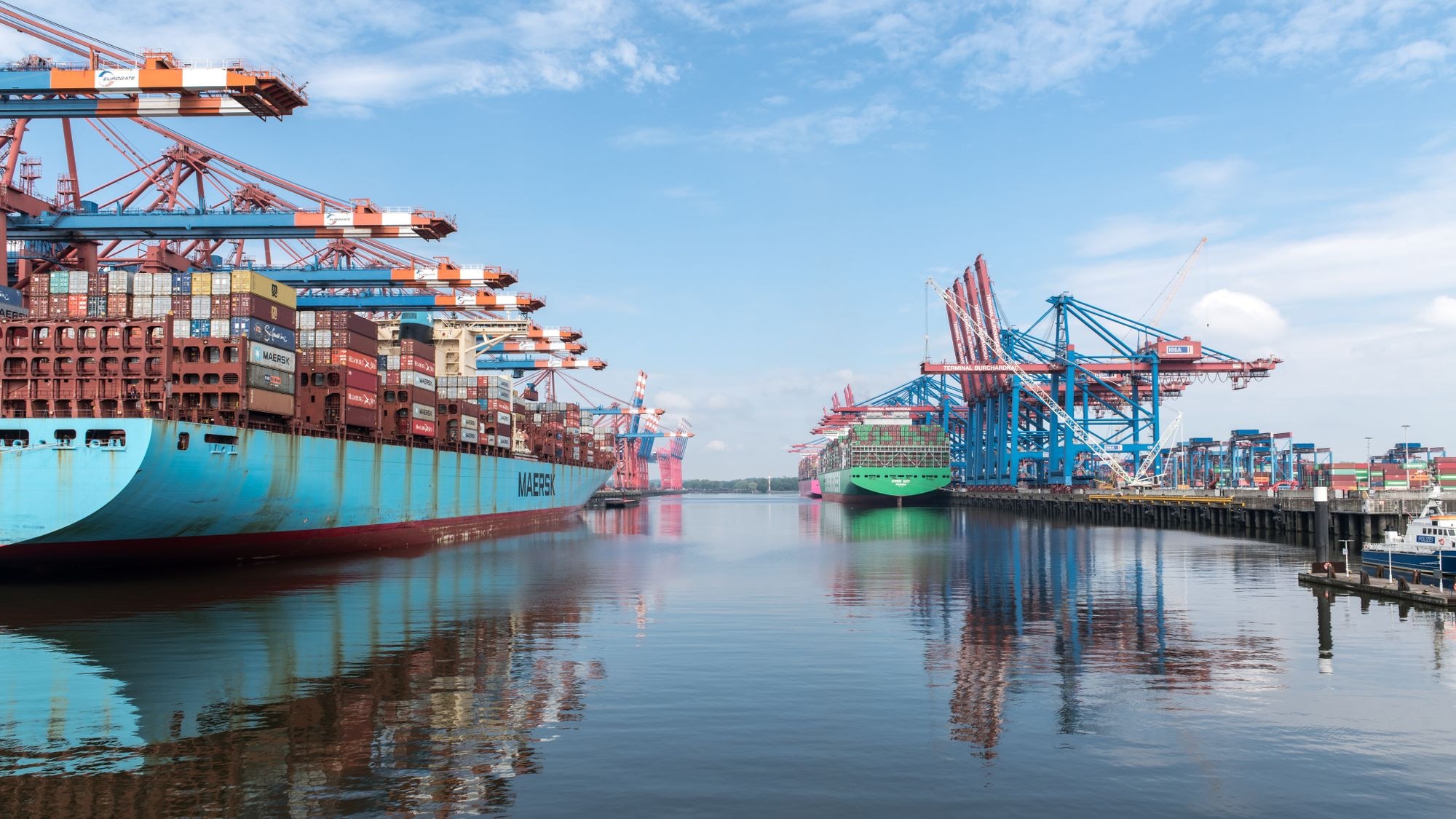
The ocean leg is the easy part.
The routing is the Chile Pacific run plus an overland leg under transit arrangements through Arica, the treaty port that has served Bolivian cargo for a century.
Container origins
NY/NJ, Savannah, Miami, Houston, Long Beach, Seattle. Six warehouses, container loaded by our crew. Container is the method for this lane.
Ocean to Arica or Iquique on the WCSA rotations, then the bonded overland leg to La Paz, Cochabamba, or Santa Cruz.
The despachante coordinates Bolivian clearance at destination. Pre-shipment authorization runs before the vessel sails.
RoRo origins
Baltimore, Brunswick, Galveston, Jacksonville, Port Hueneme. Five RoRo terminals.
Quarter-tank fuel maximum per SOLAS rules on every booking.
RoRo to northern Chile plus overland transfer is workable for qualifying vehicles. The desk prices it against the container routing per shipment.
US origins for this lane
| Origin | Method | Transit |
|---|---|---|
| NY/NJ | Container via Arica, then overland | Quoted per routing |
| Savannah | Container via Arica, then overland | Quoted per routing |
| Miami | Container via Arica, then overland | Quoted per routing |
| Houston | Container via Panama and Arica | 25-40 days door |
| Long Beach | Container via Arica, then overland | 25-40 days door |
| Seattle | Container via Arica, then overland | Quoted per routing |
| Baltimore | RoRo to northern Chile, overland transfer | Priced per shipment |
| Brunswick | RoRo to northern Chile, overland transfer | Priced per shipment |
| Galveston | RoRo to northern Chile, overland transfer | Priced per shipment |
| Jacksonville | RoRo to northern Chile, overland transfer | Priced per shipment |
| Port Hueneme | RoRo to northern Chile, overland transfer | Priced per shipment |
Any origin can serve this lane. The desk quotes the routing that fits where your freight sits.
Authorization first, vessel second.
Bolivia wants the import verified before it moves, and the despachante is mandatory. The sequence protects you from the worst outcome, a car that sails and cannot clear.
Required documents
Original title or bill of sale
Exception: vehicles 25+ years can ship under salvage certificate per US Customs rules. Otherwise, clean title required before booking.
Commercial invoice
Issued by Dapex on letterhead. Buyer or consignee, vehicle details, declared value, HBL number.
Packing list
Standard format. Critical when vehicles are co-loaded with personal effects in containers.
HBL
Consigned to the buyer or their clearing agent. Released after payment of the quoted amount.
Before sailing: confirm and authorize
Confirm the current age authorization
Current age authorization confirmed in writing with the clearing agent.
Drivetrain and drive-side check
LHD, no small diesel, no LPG.
Pre-shipment authorization
Pre-shipment inspection or authorization where required.
Despachante engaged
Despachante de aduana engaged at destination.
No confirmation, no booking
The vessel does not book until the authorization is in hand.
At destination: transit and clearance
Discharge under transit
Discharge at Arica or Iquique under transit arrangements.
Bonded overland leg
Bonded overland leg to the Bolivian clearance point.
Duty and taxes
Duty and taxes assessed by Bolivian customs at clearance.
Registration
Registration follows under Bolivian rules.
Delivery point
Dapex's BL runs to the agreed delivery point, stated plainly on the quote.
What Dapex files, US side
AES filing with US Customs. ISF where required. HBL issuance under Dapex's NVOCC license. Commercial invoice and packing list on Dapex letterhead. Pre-alert pack to your clearing agent with all documents at vessel sailing.
Almost nothing qualifies. We check anyway, honestly.
The screen is brutal by design, and the useful service is applying it before your money moves rather than after.
Near-new, LHD, clean.
Vehicles inside the current age authorization with clean titles and qualifying drivetrains. In practice this is near-new stock, which limits the auction play to a thin slice.
Most of the auction pool.
Anything past the current age authorization. RHD including converted cars. Small diesels and LPG vehicles. Salvage for the legal channel. If the plan behind a shipment is the informal crossing, we decline it as the plan, not just the paperwork.
Same as every lane.
Clean title or salvage cert (25-year exception), no unreleased liens, no personal effects loose in RoRo.
What moves the rate on this lane.
Locked components stay locked. On a lane this narrow, the variance sits in the overland leg and the confirmation work.
Our work, our cost.
- Warehouse operations
- Booking fee
- Documentation handling
- Dispatch coordination
- HBL issuance
Carrier and port-driven.
- Ocean freight (carrier-set)
- Routing and transshipment surcharges
- Fuel and bunker surcharges
- Origin port charges (container and RoRo)
- THC at discharge port
- Inland trucking to loading point
Service standards.
- Compliance
- Documentation accuracy
- Submission urgency
- Dispatch priority
Lane-specific drivers
The overland leg
Arica to La Paz climbs from sea level to the altiplano, and Santa Cruz is a longer run east. The bonded trucking leg is a real cost priced per destination city.
Rule volatility
The age authorization has changed multiple times, and it can change again. Every quote is built on a fresh written confirmation, not on what the rule was last year.
Despachante and clearance costs
The mandatory clearing agent and Bolivian duty structure are quoted per vehicle by the destination side. We pass them through itemized, not padded.
Pacific rotation pricing
The ocean leg follows the same WCSA dynamics as the Chile lane: West Coast direct versus canal transit from the Gulf and East Coast.
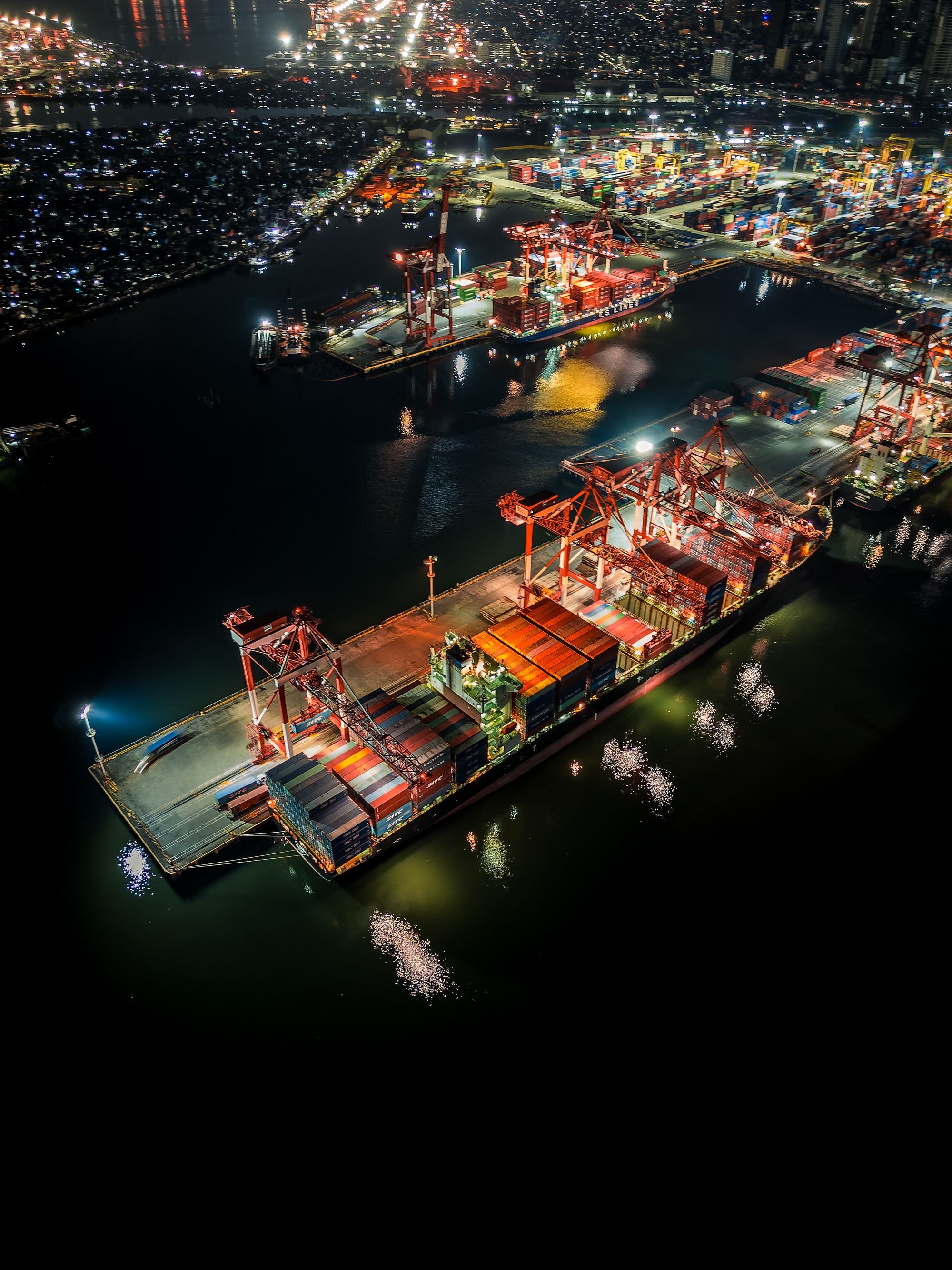
Who handles Bolivia accounts.
The Spanish-speaking desk handles Bolivia inquiries, and its first job on this lane is telling you the truth about eligibility.
Spanish-speaking Desk
Latin America and the Caribbean. Business hours across US Eastern and Latin American time zones, plus extended hours by request.
What the desk owns.
Quote signing, file management through BL, escalation on title or compliance issues, coordination with your destination agent or clearing agent. The desk lead's name and direct line are on every quote we send.
Things buyers ask about the Bolivia lane.
The current US Commercial Guide reports imports are authorized only at one year old or newer. Older caps of three and five years still circulate from prior regimes. Because the rule has moved repeatedly, the desk confirms the current authorization in writing with the Bolivian clearing agent before any purchase, and that written answer is what your quote is built on.
Largely through the informal trade: cars bought in the Chilean free zones and crossed outside customs, the market Bolivians call chutos. It is real, it is large, and it is not a legal import channel a US-licensed forwarder can serve.
We can deliver to a ZOFRI trading company as a Chile free-zone shipment, honestly labeled as exactly that, with our BL ending at the zone. What we will not do is structure that delivery as a disguised Bolivia import. If your plan is an informal crossing, we are the wrong forwarder, and we say it now rather than later.
No. RHD is banned, including cars converted to LHD. This closed the old Japanese-import pipeline and it is enforced.
Diesel vehicles under 4,000cc are banned, along with all LPG vehicles. Gasoline and larger commercial diesels are the qualifying drivetrains.
Ocean to Arica or Iquique, then a bonded overland leg under the transit arrangements that serve Bolivian cargo through Chilean ports, cleared by a licensed despachante at destination.
Returning residents and diplomats have their own provisions with different treatment. If that is your situation, tell the desk and we walk through the specific conditions rather than the general rules.
Twenty-five to forty days door to destination when a vehicle qualifies: the Pacific ocean leg plus the overland climb and Bolivian clearance.
Talk to the desk before you buy anything for Bolivia.
Send the VIN, vehicle year, drivetrain, and the buyer's situation to the Spanish-speaking desk. We confirm current eligibility in writing before any money moves, and if the honest answer is no, we say so and show you what the legal alternatives are. That candor is the service.