West & North Africa / Benin
Auto export to Benin
Benin's port of Cotonou is one of West Africa's biggest car gateways, but here's the honest part: most of what lands there doesn't stay. By the standard estimate, around 85 to 90% of the used cars imported through Cotonou end up in Nigeria, with the rest feeding the landlocked Sahel. Benin keeps low transit tariffs on purpose to attract that re-export trade. Dapex can land your car at Cotonou. What we won't do is dress up a Nigeria-bound shipment as a Benin service, because the rules, the duty, and the official route are Nigeria's.
For reference purposes only. Regulations, policies, and procedures change constantly. Ensure you verify and validate all requirements for your specific shipments before initiating any.
The Benin lane, in four numbers.
The Port of Cotonou is a major regional car gateway with free-port status. Direct ocean call from the US. No transit country on the way in.
Around 85 to 90% of Cotonou's used-car imports end up in Nigeria. The rest feed Niger, Burkina Faso, Mali, and Chad. Benin itself is a small share.
Six container warehouses, five RoRo terminals. RoRo for running cars; container for salvage, high-value, or co-loaded cargo.
ECOWAS tariff 0-35%, VAT 18%, low transit taxes by design. No real age cap, which is the point of the re-export model. LHD.
A transit hub first, a market second.
Benin built its car trade on geography and tariff policy. Cotonou sits next to Nigeria, the region's giant consumer market, which protects its own auto sector with high tariffs and an import regime. Benin keeps transit taxes low so cars flow through Cotonou and across the Seme border into Nigeria, plus north to the landlocked Sahel. Understanding that is the difference between a clean shipment and a problem.
Cars that actually clear here.
A car for a Benin buyer, or one moving under formal transit to landlocked Niger, Burkina Faso, or Mali, lands at Cotonou and clears under the ECOWAS tariff or a bonded transit declaration. This is the lane Dapex runs: a real destination or a documented transit, not a wink-and-nudge.
- Benin domestic registration, or
- Formal bonded transit to the Sahel
- ECOWAS tariff or transit declaration
- Documented end destination
If it's really Nigeria-bound.
Most Cotonou cars go to Nigeria. If that's your real destination, the honest route is a direct ocean call to Apapa or Tin Can Island, under Nigeria's own duty and age rules, not an informal land crossing from Cotonou. Nigeria restricts road imports, so the Cotonou back door is a legal risk we won't run. That's the Nigeria page.
- Nigeria is the real destination for most
- Official route is Apapa by sea
- Land imports into Nigeria are restricted
- We point you at the Nigeria page
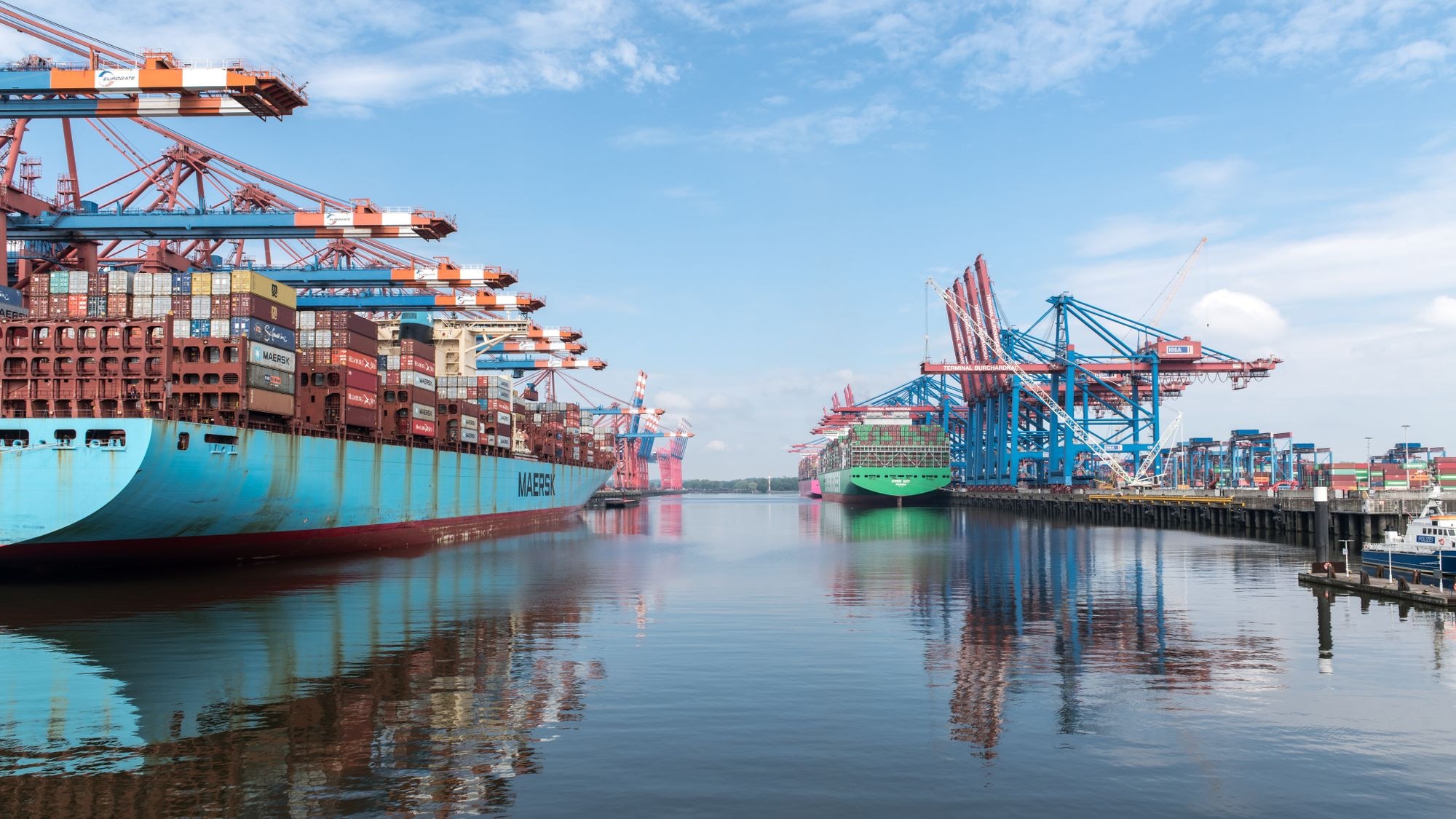
A direct ocean call to Cotonou.
For a genuine Benin or documented Sahel-transit shipment, the car sails direct to Cotonou and clears there. The US-side operation is the same as our other lanes; what matters on this lane is having the real end destination established before the car ships.
Container origins
Load at one of six container warehouses: NY/NJ, Savannah, Miami, Houston, Long Beach, Seattle. Container suits salvage, high-value cars, multi-car consolidation, or anything co-loaded with parts. A 40HC commonly takes four cars, five when they're small enough to nest, three when they're full-size, loaded to the safest high-density fit. Carriers include Maersk, MSC, CMA CGM, and Hapag-Lloyd.
Transit: roughly 20 to 35 days from the East Coast.
Customs: ECOWAS tariff and 18% VAT for a Benin entry, or a bonded transit declaration for documented onward movement to the Sahel.
RoRo origins
Five RoRo terminals: Baltimore, Brunswick, Galveston, Jacksonville, Port Hueneme. RoRo is the cheaper choice for a running car. Lines on the US-to-West-Africa lane include Grimaldi and Sallaum. Quarter-tank fuel maximum per SOLAS rules.
Not carried: shipments built around an informal Seme-border crossing into Nigeria, which we won't run.
Personal effects permitted in containers, not in RoRo.
Cotonou customs, and the destination question.
Benin clears cars under the ECOWAS tariff, and Cotonou's free-port status allows trade before final customs declaration. The compliance work on this lane is mostly about establishing the real destination, because a genuine Benin entry and a documented Sahel transit are clean, while an informal Nigeria crossing is not.
ECTN / BESC certificate
The ECTN or BESC certificate is mandatory for all shipments discharged at Cotonou (local and transit cargo). ECTN formalities must be done by the shipper prior to loading and the ECTN number must be mentioned on the Bill of Lading. The DAPEX team can assist with processing of the ECTN certificate at the time of shipment, so the receiver avoids difficulties and fines at the destination. CTN or BESC certificate is mandatory as per local destination requirements.
The clearance path
Destination check
The desk establishes where the car actually registers. Benin or a documented Sahel transit, we run it. Nigeria, we route it as a direct Nigerian sea call instead and point you to the Nigeria page.
US-side preparation
AES filing, ISF where required, HBL issuance, commercial invoice, packing list. Clean title or salvage certificate. HBL consigned to the Benin buyer or their clearing agent.
Customs at Cotonou
For a Benin entry, the car clears the ECOWAS tariff plus 18% VAT. For a documented onward move, a bonded transit declaration covers the leg to the Sahel destination, where that country's duty applies.
Release and onward
The bill of lading releases against payment. A Benin-registered car takes local plates; a transit car moves overland under the bonded declaration to its documented destination.
Required documents
Original title or salvage certificate
Clean title for a running car, salvage certificate where applicable.
Commercial invoice on Dapex letterhead
Consignee, vehicle details, declared value, HBL number.
Bill of lading and packing list
HBL consigned to the buyer or their clearing agent. Transit declaration where the car moves onward to the Sahel.
French-language clearance documents
Benin customs work in French. The desk coordinates the French paperwork with the Cotonou agent.
CTN or BESC certificate
Certificate is mandatory. The ECTN formalities must be done by the shipper prior to loading and the ECTN number should be reflected on the Bill of Lading.
What Dapex files US-side
AES filing with US Customs. ISF where required. HBL under Dapex's NVOCC license, consigned to the Benin buyer or their clearing agent. Commercial invoice and packing list on Dapex letterhead. Title verification through our title team before pickup, and the destination check before booking so a Nigeria-bound car is routed as a Nigerian sea call rather than an informal crossing. Standard consignee screening. Pre-alert pack to the Cotonou clearing agent. The French-speaking West Africa desk owns the file end to end. CTN or BESC certificate processing at the time of shipment.
What moves through Cotonou.
With no real age cap, Cotonou takes a broad range of US cars, which is exactly why it became a re-export hub. The line we hold is on the destination, not the car.
A broad range.
Sedans, SUVs, pickups, and salvage, across a wide age band, since Benin's model doesn't cap age the way its neighbors do. The cars that move are the ones the eventual market wants, which is often Nigeria's taste.
Sahel-bound under bond.
Cars for landlocked Niger, Burkina Faso, Mali, or Chad, moving under a formal bonded transit declaration. The destination country's duty and rules apply at the end of the leg.
The informal Nigeria crossing.
Shipments built around running a car across the Seme border to dodge Nigerian duty. Nigeria restricts land imports, and that's a seizure risk. Beyond that, the standing Dapex rules hold: clean title or salvage certificate (25-year US Customs exception), no unreleased liens, no personal effects loose in RoRo. Quarter-tank fuel maximum on RoRo per SOLAS.
What moves the rate on this lane.
A clean ocean lane to Cotonou. The rate depends on the carrier market and the method; the bigger variable is whether the shipment is a genuine Benin entry, a bonded transit, or really a Nigeria call that should be priced as one.
Our work, our cost.
- Warehouse operations
- Booking fee
- Documentation handling
- Title verification
- HBL issuance
- Destination and routing check
Carrier and routing-driven.
- Ocean freight (carrier-set)
- Fuel and bunker surcharges
- Cotonou port handling
- Container versus RoRo choice
- ECOWAS tariff or transit bond
- Onward overland to the Sahel
Service standards.
- Compliance
- Documentation accuracy
- Submission urgency
- Dispatch priority
Lane-specific drivers
The destination decides the lane
A Benin entry, a Sahel transit, and a Nigeria call price differently and clear differently. We establish the real destination first, because that's what determines a clean shipment.
Low Benin transit taxes
Benin keeps transit taxes low to attract the re-export trade, which is why Cotonou is busy. For a genuine transit, that works in your favor.
Nigeria's land-import restriction
Nigeria restricts vehicle imports by land, so the informal Cotonou crossing is a legal risk, not a saving. The honest route to Nigeria is by sea to Apapa.
Container versus RoRo
A running car usually lands cheapest on RoRo. Salvage and high-value cars go container. The desk prices both.

Who handles Benin accounts.
The West Africa desk runs every Benin account, in French and English. Its first job is the destination check, because that decides whether the honest shipment is a Cotonou entry, a Sahel transit, or a Nigeria sea call.
West Africa Desk
Benin, Nigeria, Ghana, Senegal, Côte d'Ivoire, Cameroon, Togo, and the wider West African markets. French and English. Business hours in Cotonou and Lagos time, plus extended hours by request. Cotonou clearing-agent coordination on Dapex's Benin files.
What the desk owns.
The destination check before booking. The honest redirect to the Nigeria page when that's the real destination. Bonded transit coordination for Sahel-bound cars. French clearance paperwork with the Cotonou agent. Title verification before pickup. Container-versus-RoRo call. File management through BL.
Things buyers ask about the Benin lane.
Cotonou, a major regional car gateway with free-port status. It's a direct ocean call from the US, container or RoRo, with no transit country on the way in.
Partly. Benin has its own buyers, but Cotonou is mostly a re-export hub: by the standard estimate, around 85 to 90% of the used cars landing there end up in Nigeria, and the rest feed the landlocked Sahel. We're clear about which kind of shipment yours is.
If Nigeria is the destination, the honest route is a direct sea call to Apapa or Tin Can Island under Nigerian rules, not an informal crossing from Cotonou. Nigeria restricts land imports, so the back door is a seizure risk we won't run. That's the Nigeria page, and the desk will set it up that way.
Yes, for Niger, Burkina Faso, Mali, or Chad, under a formal bonded transit declaration. The car clears transit at Cotonou and moves overland to the documented destination, where that country's duty applies.
Benin keeps low transit taxes and no real age cap, which is the whole point of its re-export model. The destination country's age rules are what matter if the car is moving onward.
Under the ECOWAS tariff, which runs 0 to 35% by category, plus 18% VAT. For a documented transit, a bonded declaration covers the Benin leg and the duty falls due at the destination instead.
Yes. Benin customs work in French, and the West Africa desk handles the file in French and English with the Cotonou clearing agent.
Roughly 20 to 35 days from the East Coast to Cotonou, then clearance or transit. The desk gives current numbers on the quote.
Ready to ship to Benin?
Send VIN, lot number, vehicle year, the US loading point, and where the car actually registers. We'll route a genuine Benin or Sahel-transit shipment cleanly through Cotonou, or tell you straight if a Nigeria-bound car belongs on a direct Nigerian sea call, and point you to the Nigeria page.