Eastern Europe & Caucasus / Azerbaijan
Auto export to Azerbaijan.
Baku sits on the Caspian, which has no link to the ocean, so a US car can't sail to Azerbaijan at all. It arrives the same way it reaches Armenia: by sea to Poti in Georgia, then overland through the Red Bridge crossing to Baku. The thing to know is that Azerbaijan is the opposite of Georgia at the border. Georgia takes almost anything for re-export. Azerbaijan bans right-hand drive outright, requires Euro 4, and taxes cars on engine size, with a fresh increase on anything over seven years old from January 2026. Treat it as a strict registration market, not a permissive hub.
For reference purposes only. Regulations, policies, and procedures change constantly. Ensure you verify and validate all requirements for your specific shipments before initiating any.
The Azerbaijan lane, in four numbers.
No ocean access to Baku across the Caspian. Sea to Poti or Batumi in Georgia, then overland through Red Bridge to Baku.
Six container warehouses. Five RoRo terminals. Container is the workhorse; everything transships at Poti onto trucks.
US to Poti 25-30 (East Coast), plus the overland leg to Baku. Black Sea via the Bosphorus. No Suez exposure.
LHD only, RHD banned. Euro 4 emission floor. Excise by engine size, plus 18% VAT and road tax. Higher excise on 7-year-plus cars from January 2026.
One route we run. One we won't.
Azerbaijan is a destination market, not a re-export hub, and not a customs-union conduit the way Armenia is. A US car reaches it one viable way: sea to Poti, then overland through Georgia to Baku. The only other physical link runs through Iran, which a US-licensed forwarder can't use. So the lane is simple to describe and strict at the far end.
The route Dapex runs.
Vehicle ships to Poti or Batumi, clears Georgian transit, then trucks overland across the Red Bridge crossing into Azerbaijan and on to Baku. Clears Azerbaijani customs on arrival: import duty and excise by engine size, 18% VAT, road tax. This is the only viable path for a US car, since there's no sea route to Baku.
- Sea to Poti, then overland through Red Bridge to Baku
- LHD only; right-hand drive is banned from import
- Euro 4 emission floor, checked before clearance
- Excise scales steeply with engine size, plus 18% VAT
- EVs exempt from duty and VAT; hybrids VAT-exempt, both with age conditions
The route Dapex won't run.
Azerbaijan's other physical link runs south through Iran: sea to Bandar Abbas, then overland through the Astara border. Some regional traders use it. Dapex doesn't. Moving US-origin cargo in transit through Iran is off-limits for a US-licensed NVOCC on OFAC grounds, so we route everything via Georgia.
- Bandar Abbas, then overland through Astara
- Iran transit, off-limits for a US forwarder
- We don't quote it, book it, or coordinate it
- Listed here so the question is answered up front
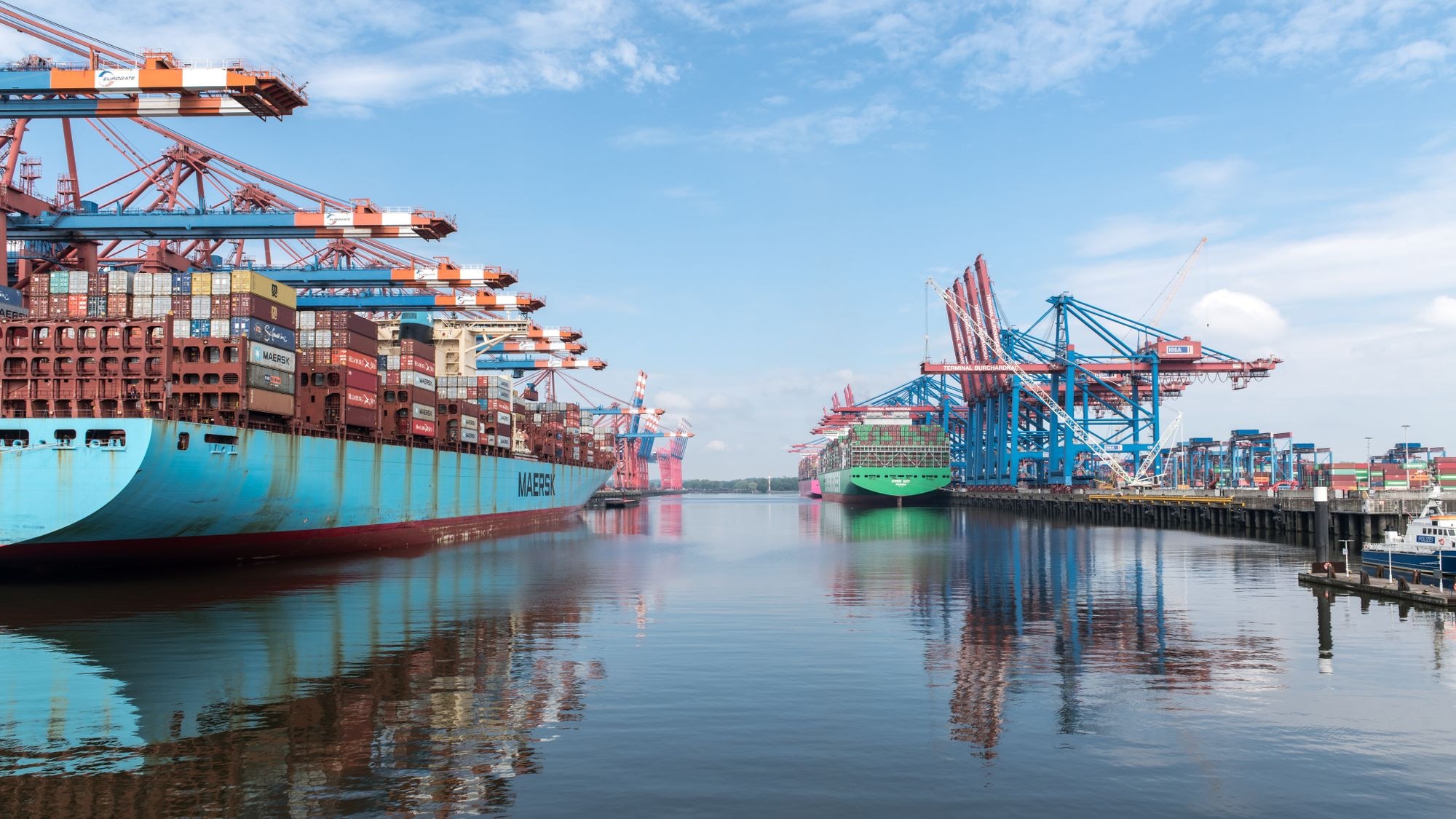
Eleven US loading points. Sea to Poti, then trucks.
Because Baku has no ocean access, every Azerbaijan shipment is sea plus overland, the same shape as the Armenia lane. The ocean leg lands at Poti or Batumi, then the car trucks east across Georgia and through Red Bridge to Baku. The US-side chain is identical to our other lanes.
Container origins
NY/NJ, Savannah, Miami, Houston, Long Beach, Seattle. Six warehouses, loaded by our crew. Weekly cuts on Maersk, MSC, CMA CGM, Hapag-Lloyd. Container suits the lane, since a box takes four cars in the common case, up to five small ones, and non-running units load fine. The per-car number comes down to the mix and how tightly the crew packs it.
Routing: US East Coast to Poti runs across the Atlantic, through Gibraltar and the Mediterranean, and through the Bosphorus into the Black Sea. No Suez Canal, no Red Sea, so the lane sits out the disruption that hits the Gulf routes. The chokepoint here is the Turkish straits.
Why not direct to Baku: the Caspian is a closed sea with no ocean link, so the only way to Baku by water is the ferry from the east, which is for cargo already in Central Asia. For a US car, Poti plus overland is the route.
RoRo origins and the overland leg
Baltimore, Brunswick, Galveston, Jacksonville, Port Hueneme. Carriers: Höegh, Wallenius, ACL, Sallaum, K Line, Grimaldi. Quarter-tank fuel maximum per SOLAS rules. RoRo only takes running vehicles and on the US-to-Black-Sea lane is thin, often transshipping through Europe, so container usually wins.
Overland: From Poti, the car moves by truck or car carrier east through Georgia and across the Red Bridge crossing to Baku. Azerbaijani customs clears the import there or at a Baku terminal, after the Euro 4 and drive-side check.
Personal effects permitted in containers, not in RoRo.
Two hard refusals at the border, then engine-size tax.
Azerbaijan has no pre-shipment certification regime, but it has two hard rules that refuse a car outright: right-hand drive can't be imported, and the car has to meet Euro 4. Past that gate, the cost is import duty and excise by engine size, 18% VAT, and road tax. We check the two hard rules before you buy.
The clearance path (via Georgia)
Pre-purchase check
Before you commit to a car, we confirm it's left-hand drive and meets Euro 4, and we run the engine-size excise so you see the real landed cost. Azerbaijan's customs service offers a pre-check on whether a vehicle meets Euro 4, which we use to avoid a surprise at the border.
US-side preparation
AES filing, ISF where required, HBL issuance, commercial invoice, packing list. Clean title, or a salvage certificate where the car is sold and shipped as salvage. HBL consigned to the Azerbaijani buyer or their clearing agent.
Transit through Georgia
Discharge at Poti or Batumi. Bill of lading released against payment. The car moves under Georgian transit to the Azerbaijani border, with no Georgian import tax, because it isn't being imported into Georgia.
Azerbaijani customs at Red Bridge or Baku
Import duty and excise assessed on engine size, then 18% VAT on customs value plus duties, plus road tax. Excise rises steeply with displacement, and from January 2026 cars older than seven years carry a higher multiplier, 1.5 for petrol and 2 for diesel. EVs are exempt from duty and VAT, and hybrids are VAT-exempt, both subject to age conditions.
Registration
The buyer registers the vehicle and takes plates. LHD only.
Required documents
Original title or salvage certificate
Clean title for a car that will register. Salvage certificate where the unit is sold and shipped as salvage.
Commercial invoice on Dapex letterhead
Consignee, vehicle details, declared value, HBL number. Azerbaijani customs values precisely and can challenge a low declaration.
Packing list
Standard format. Needed when personal effects are co-loaded in a container.
HBL
Consigned to the Azerbaijani buyer or their clearing agent. Released after payment of the quoted amount.
A note on the Russia direction
Azerbaijan is not in the EAEU customs union, so it isn't the open-border conduit to Russia that Georgia and Armenia are. The sanctions-leakage risk on this lane is much smaller. We still run standard consignee screening on every file, but Azerbaijan reads as a genuine destination market, which is most of why this lane is clean.
What Dapex files, US side
AES filing with US Customs. ISF where required. HBL under Dapex's NVOCC license, consigned to the Azerbaijani buyer or their clearing agent. Commercial invoice and packing list on Dapex letterhead. Title verification through our title team before pickup, and the drive-side, Euro 4, and engine-size pre-check before purchase. A hard no on Iran transit. Pre-alert pack to the Georgian transit handler and the Azerbaijani clearing agent. The Russian-speaking desk owns the file end to end.
Engine size and drive side decide it.
Because excise scales with displacement and right-hand drive is banned, the Azerbaijan lane rewards smaller-engine, left-hand-drive cars and EVs or hybrids. A big American V8 that's a bargain at auction can be uneconomic once the excise lands.
Smaller-engine Toyota, and hybrids.
Toyota Camry, Corolla, Prius, RAV4, Prado. Hyundai and Kia, Nissan, and Mercedes and BMW on the higher end. The engine-size excise favors four-cylinder and modest-displacement cars, and hybrids like the Prius are popular for the same reason. Repaired US auction cars sell well where drive side and emissions check out.
EVs and hybrids.
EVs come in exempt from import duty and VAT, and hybrids skip the VAT, both subject to age conditions. That makes a recent Tesla, a hybrid Camry or RAV4, or a compact EV some of the cleaner imports on cost, as long as they're left-hand drive and meet the build-year rules.
RHD, sub-Euro-4, big V8s, and the rules.
Right-hand drive is banned. Sub-Euro-4 cars are refused. Large-displacement engines are taxed to the point of being uneconomic. Beyond that, the standing Dapex rules hold: clean title or salvage certificate (25-year US Customs exception), no unreleased liens, no personal effects loose in RoRo. Quarter-tank fuel maximum on RoRo per SOLAS.
What moves the rate on this lane.
On Azerbaijan, the excise math drives the landed cost more than the freight does, and a single wrong assumption about engine size or drive side can wipe out a deal. Here's what we lock, what passes through, and what to watch.
Our work, our cost.
- Warehouse operations
- Booking fee
- Documentation handling
- Title verification
- Drive-side and Euro 4 pre-check
- Dispatch coordination
- HBL issuance
Carrier and routing-driven.
- Ocean freight (carrier-set)
- Fuel and bunker surcharges
- Origin and destination port charges
- THC at Poti or Batumi
- Georgian transit handling
- Overland Poti to Baku
- Inland trucking to loading point
Service standards.
- Compliance
- Documentation accuracy
- Submission urgency
- Dispatch priority
Lane-specific drivers
Engine size is the big lever
Azerbaijani excise climbs steeply with displacement. A small four-cylinder clears cheaply; a large V8 can carry an excise bill bigger than the auction price. The desk runs the per-vehicle excise before you bid, because this single number decides whether a car makes sense.
The January 2026 age multiplier
From the start of 2026, cars older than seven years carry a higher excise multiplier, 1.5 for petrol and 2 for diesel. That pushes the lane further toward newer, smaller-engine cars and away from older diesels in particular.
The drive-side and Euro 4 gate
A right-hand-drive car or a sub-Euro-4 car is refused at the border, full stop. Catching that before purchase is worth more than any freight saving, because a refused car still has to be dealt with once it's landed.
The overland leg
Every Azerbaijan shipment carries the Poti-to-Baku trucking cost and the days that go with it. We price it as part of the door-to-Baku number rather than burying it.
Black Sea routing, not Red Sea
Cargo to Poti runs through the Bosphorus, not Suez, so it avoids the Red Sea rerouting that hits the Gulf and East Africa lanes. Black Sea weather and the Turkish straits are the variables to watch.
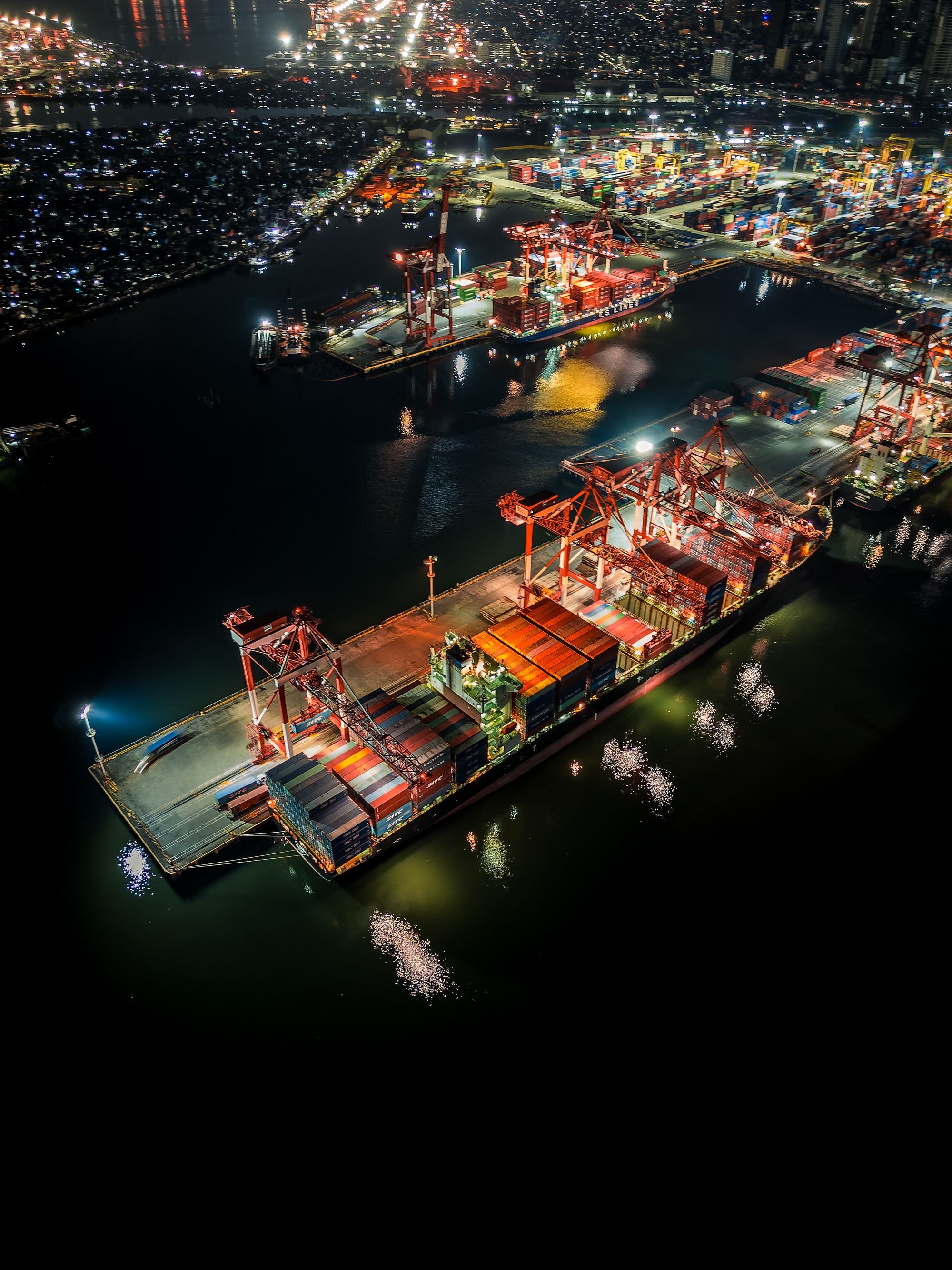
Who handles Azerbaijan accounts.
The Russian-speaking desk runs every Azerbaijan account. The desk coordinates the Georgian transit handler and the Baku clearing agent, runs the drive-side, Euro 4, and engine-size pre-check, and prices the door-to-Baku number.
Russian-speaking Desk
Azerbaijan, Georgia, Armenia, Kazakhstan, Kyrgyzstan, Uzbekistan, Tajikistan, Turkmenistan, and the wider CIS. Business hours bridging US and Caucasus time zones, plus extended hours by request. Azerbaijani-language coordination available through partner clearing agents in Baku.
What the desk owns.
The Georgia route, since Iran is off the table. File management through BL. Title verification and the drive-side, Euro 4, and engine-size pre-check before purchase. Georgian transit handler and Red Bridge overland coordination. Baku clearing agent coordination. Standard consignee screening. Escalation on customs holds or valuation disputes.
Things buyers ask about the Azerbaijan lane.
No. Baku is on the Caspian Sea, which has no connection to the ocean, so no ship carries a US car there directly. The car goes by sea to Poti or Batumi in Georgia, clears Georgian transit, then trucks overland through the Red Bridge crossing to Baku. Every Azerbaijan shipment is sea plus an overland leg.
No. Azerbaijan bans the import of right-hand-drive vehicles outright. This isn't a tax penalty like Georgia's, it's a flat refusal at the border. US auction cars are left-hand drive, so this is rarely an issue on the US lane, but it's the first thing we confirm.
The car has to meet Euro 4, which rules out most pre-mid-2000s vehicles, and Azerbaijan's customs service will pre-check a specific car against Euro 4 if you give them the details. There's no flat age cap, but from January 2026 cars older than seven years carry a higher excise multiplier, 1.5 for petrol and 2 for diesel, which pushes the economics toward newer cars.
Excise is based on engine size and climbs steeply with displacement, so a small engine is cheap and a large V8 can be very expensive. On top of the excise there's import duty, 18% VAT on the customs value plus duties, and a road tax. The desk runs the full per-vehicle number before you bid, because the engine-size excise is usually what decides whether a car is worth importing.
Yes. EVs are exempt from import duty and VAT, and hybrids are VAT-exempt, both subject to age conditions. That makes a recent Tesla, a hybrid Camry or RAV4, or a compact EV among the cleaner imports on cost, provided they're left-hand drive and meet the build-year rules. Confirm the current conditions on the quote, since these incentives get adjusted.
No. The Iran route exists, sea to Bandar Abbas and overland through Astara, and some traders use it, but Dapex won't move US-origin cargo in transit through Iran on sanctions grounds. We route everything via Georgia.
Much less so. Azerbaijan isn't in the EAEU customs union, so it doesn't have the open border to Russia that makes Georgia and Armenia sanctions-sensitive. It reads as a genuine destination market. We still run standard consignee screening, but the leakage risk here is small.
Roughly 28 to 38 days door to Baku from the East Coast: about 25 to 30 days sea to Poti, plus the overland leg through Georgia and Red Bridge and Azerbaijani customs. Gulf and West Coast origins run longer. The desk gives current numbers on the quote, since Black Sea schedules and border throughput move.
Ready to ship to Azerbaijan?
Send VIN, lot number, vehicle year, engine size, drive side, and consignee details to the Russian-speaking desk. We'll check Euro 4 and the engine-size excise, quote the Georgia route door to Baku, run the title check, and flag anything that won't clear before you buy.