Eastern Europe & Caucasus / Armenia
Auto export to Armenia.
Armenia is landlocked, with closed borders to Turkey and Azerbaijan, so US cars reach it one practical way: by sea to Poti in Georgia, then overland to Yerevan. Two things define the lane. Armenia is an EAEU member, so a US car pays the full Eurasian customs tariff plus 20% VAT, well above what the same car costs to clear in Georgia. And Armenia shares an open customs border with Russia, which makes it a sanctions-sensitive market. Dapex runs the Georgia route, screens every file for the Russia direction, and won't route US cargo through Iran.
For reference purposes only. Regulations, policies, and procedures change constantly. Ensure you verify and validate all requirements for your specific shipments before initiating any.
The Armenia lane, in four numbers.
No Armenian seaport. Sea to Poti or Batumi in Georgia, then overland through the Bagratashen border to Yerevan.
Six container warehouses. Five RoRo terminals. Container is the workhorse; everything transships at Poti onto trucks.
US to Poti 25-30 (East Coast), plus the overland leg to Yerevan. Black Sea via the Bosphorus. No Suez exposure.
Full Eurasian customs tariff plus 20% VAT on a US car. Open customs border with Russia. EVs and series hybrids have a duty-free quota.
One route we run. One we won't.
Armenia has two physical ways in for a US car. The northern route through Georgia is the one that works and the one Dapex runs. The southern route through Iran exists and some traders use it, but it's Iran transit, which a US-licensed forwarder can't touch. Unlike Georgia, Armenia is not a re-export hub for US cars. It's a destination market, and an EAEU member with an open road to Russia.
The route Dapex runs.
Vehicle ships to Poti or Batumi, clears Georgian transit, then trucks overland across the Bagratashen border into Armenia and on to Yerevan. Clears Armenian customs as an EAEU import: full Eurasian tariff, 20% VAT, environmental fee. This is the dominant path for US cars and the only one we offer.
- Sea to Poti, then overland through Bagratashen to Yerevan
- Full EAEU customs tariff plus 20% VAT and an environmental fee
- EVs and series hybrids: duty-free quota for recent-build cars, residents only
- LHD only for the Armenian market
- Sanctions screen on consignee and final destination
The route Dapex won't run.
Armenia's other physical link runs south through Iran: sea to Bandar Abbas, then overland through the Meghri border. It's real, and some regional traders use it. Dapex does not. Moving US-origin cargo in transit through Iran is an OFAC problem for a US-licensed NVOCC, so we route everything via Georgia and decline the Iran option outright.
- Bandar Abbas, then overland through Meghri
- Iran transit, off-limits for a US forwarder on OFAC grounds
- We don't quote it, book it, or coordinate it
- Listed here so the question is answered up front
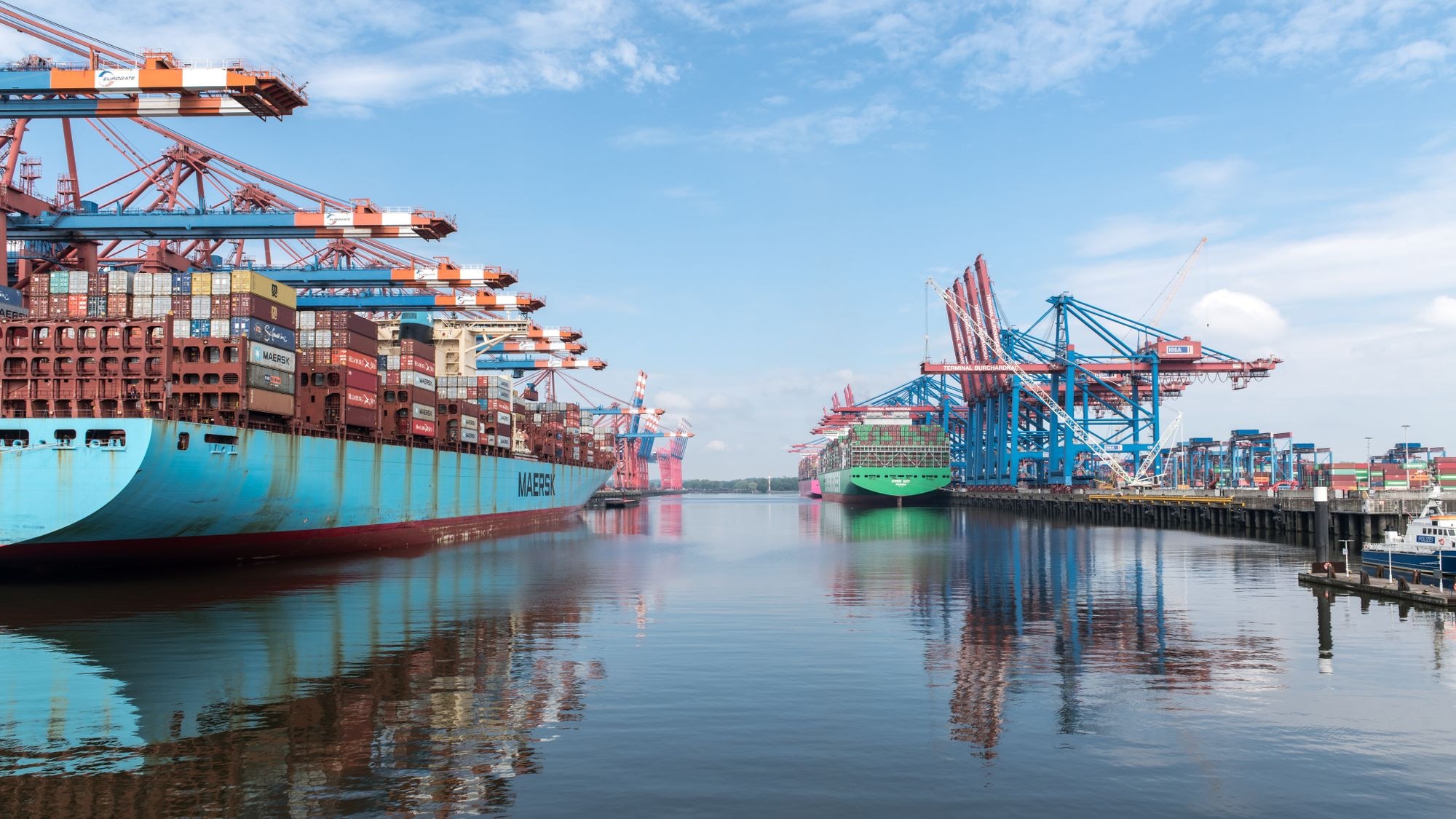
Eleven US loading points. Sea to Poti, then trucks.
Because Armenia is landlocked, every shipment is sea plus overland. The ocean leg lands at Poti or Batumi, the same Black Sea gateway that feeds Georgia, then the car trucks south across the Bagratashen border to Yerevan. The US-side chain is identical to our other lanes.
Container origins
NY/NJ, Savannah, Miami, Houston, Long Beach, Seattle. Six warehouses, loaded by our crew. Weekly cuts on Maersk, MSC, CMA CGM, Hapag-Lloyd. Container suits Armenia well, since salvage and non-running units load fine and a box takes four small-to-midsize cars comfortably, five when they nest, three when they're full-size. How we load decides which.
Routing: US East Coast to Poti runs across the Atlantic, through Gibraltar and the Mediterranean, and through the Bosphorus into the Black Sea. No Suez Canal, no Red Sea, so the lane sits out the disruption that hits the Gulf routes. The chokepoint here is the Turkish straits.
Transit: US to Poti 25-30 days from the East Coast, 28-33 Gulf, 35-40 West Coast. The Poti-to-Yerevan overland leg through Bagratashen adds a few days on top.
RoRo origins and the overland leg
Baltimore, Brunswick, Galveston, Jacksonville, Port Hueneme. Carriers: Höegh, Wallenius, ACL, Sallaum, K Line, Grimaldi. Quarter-tank fuel maximum per SOLAS rules. RoRo only takes running vehicles and on the US-to-Black-Sea lane is thin, often transshipping through Europe, so container usually wins.
Overland: From Poti, the car moves by truck or car carrier south through Georgia and across the Bagratashen border to Yerevan. Armenian customs clears the EAEU import there or at an inland Yerevan terminal.
Personal effects permitted in containers, not in RoRo.
No pre-shipment regime. EAEU customs and two sanctions lines.
Armenia has no SABER or SONCAP-style pre-shipment certification. The cost gate is EAEU customs clearance, which runs well above Georgia's. The compliance gate is two sanctions lines we hold: no Iran transit, and nothing bound for Russia. We file clean US-side paperwork and clear the car as an EAEU import at the Armenian end.
The clearance path (via Georgia)
US-side preparation
AES filing, ISF where required, HBL issuance, commercial invoice, packing list. Clean title, or a salvage certificate where the car is sold and shipped as salvage. HBL consigned to the Armenian buyer or their clearing agent.
Transit through Georgia
Discharge at Poti or Batumi. Bill of lading released against payment. The car moves under Georgian transit to the Armenian border, no Georgian import tax, because it isn't being imported into Georgia.
EAEU customs at the Armenian end
The car clears Armenian customs as an import from a third country: full EAEU common customs tariff, then 20% VAT, plus an environmental fee. The tariff for cars runs far higher than Georgia's and scales with engine size, age, and value. EVs and series hybrids of recent build can clear duty-free under Armenia's annual EAEU quota, for permanent residents only, not transferable to Russian citizens.
Registration
The buyer registers and takes plates. LHD is the norm for the Armenian market.
Sanctions screening (every file)
No Iran transit
We route via Georgia and decline the Iran option. Moving US cargo through Iran is off-limits for a US forwarder, full stop.
Russia destination check
Armenia's open EAEU border with Russia means a car cleared in Armenia can move on into Russia with no further customs step. We screen the named consignee and the stated final destination before booking and refuse anything we believe is Russia-bound.
Why this protects you
An OFAC problem on the chain doesn't stay with the buyer. It reaches the forwarder and the carrier. Screening up front keeps the file clean for everyone on it.
Required documents
Original title or salvage certificate
Clean title for a car that will register. Salvage certificate where the unit is sold and shipped as salvage for repair.
Commercial invoice on Dapex letterhead
Consignee, vehicle details, declared value, HBL number.
Packing list
Standard format. Needed when personal effects are co-loaded in a container.
HBL
Consigned to the Armenian buyer or their clearing agent. Released after payment of the quoted amount.
What Dapex files, US side
AES filing with US Customs. ISF where required. HBL under Dapex's NVOCC license, consigned to the Armenian buyer or their clearing agent. Commercial invoice and packing list on Dapex letterhead. Title verification through our title team before pickup. Consignee and final-destination screening against the Russia direction, and a hard no on Iran transit. Pre-alert pack to the Georgian transit handler and the Armenian clearing agent. The Russian-speaking desk owns the file end to end.
EAEU duty shapes what's worth importing.
Because the full Eurasian tariff and 20% VAT land on every ICE car, the math in Armenia favors either higher-value vehicles that carry the duty well or EVs and series hybrids that clear duty-free under the quota. The cheap-salvage-and-flip play that runs in Georgia works less well here.
Toyota, Lexus, and German brands.
Toyota Camry, RAV4, Corolla, and Highlander. Lexus across the lineup. Mercedes, BMW, and Hyundai and Kia. Nissan. US auction prices and parts availability for American-market models still pull buyers, repaired where needed before registration.
EVs and series hybrids.
The duty-free quota makes recent-build electric and series-hybrid cars the sharpest import right now: Tesla, BYD and other EVs, plus series hybrids. The catch is the rules, which require a recent model year, permanent Armenian residency, and a quota slot, and which bar transfer to Russian buyers.
Russia-bound, Iran transit, universal rules.
We don't carry cars bound for Russia, and we don't route through Iran. Beyond that, the standing Dapex rules hold: clean title or salvage certificate (25-year US Customs exception), no unreleased liens, no personal effects loose in RoRo. Quarter-tank fuel maximum on RoRo per SOLAS.
What moves the rate on this lane.
The freight is only part of the landed cost here. EAEU duty, 20% VAT, the overland leg, and whether the car qualifies for the EV quota matter more to the final number than the ocean rate does.
Our work, our cost.
- Warehouse operations
- Booking fee
- Documentation handling
- Title verification
- Dispatch coordination
- HBL issuance
- Sanctions screening
Carrier and routing-driven.
- Ocean freight (carrier-set)
- Fuel and bunker surcharges
- Origin and destination port charges
- THC at Poti or Batumi
- Georgian transit handling
- Overland Poti to Yerevan
- Inland trucking to loading point
Service standards.
- Compliance
- Documentation accuracy
- Submission urgency
- Dispatch priority
Lane-specific drivers
EAEU duty plus 20% VAT, not Georgia's light touch
The same car costs far more to clear in Armenia than in Georgia, because Armenia applies the full Eurasian tariff and a 20% VAT on top. The tariff scales with engine size, age, and value, so a big older engine is punished hardest. The clearing agent runs the per-vehicle math; the desk flags it before you commit to a car that won't pencil out.
The EV and series-hybrid quota
A recent-build EV or series hybrid that clears under the quota skips the duty entirely, and EVs skip the VAT too. That's a large swing in landed cost. The quota is finite and resets annually, and it carries residency and no-Russia-transfer conditions, so it rewards getting in early in the year with the right car and the right buyer.
The overland leg
Every Armenia shipment carries a Poti-to-Yerevan trucking cost and a few extra days that a direct-port country doesn't. We price it as part of the door-to-Yerevan number rather than burying it.
Black Sea routing, not Red Sea
Cargo to Poti runs through the Bosphorus, not Suez, so it avoids the Red Sea rerouting that hits the Gulf and East Africa lanes. Black Sea weather and the Turkish straits are the variables to watch.
Title quality and the sanctions screen
Auction salvage means the buyer runs their own VIN check, so we verify title before pickup. And every file carries the consignee and destination screen against the Russia direction, which is overhead we treat as non-negotiable, not optional.
Who handles Armenia accounts.
The Russian-speaking desk runs every Armenia account, which fits the market. The desk coordinates the Georgian transit handler and the Armenian clearing agent, runs the EV-quota question, and owns the sanctions screen.
Russian-speaking Desk
Armenia, Georgia, Azerbaijan, Kazakhstan, Kyrgyzstan, Uzbekistan, Tajikistan, Turkmenistan, and the wider CIS. Business hours bridging US and Caucasus time zones, plus extended hours by request. Armenian-language coordination available through partner clearing agents in Yerevan.
What the desk owns.
The Georgia route, since Iran is off the table. File management through BL. Title verification before pickup. The EV and series-hybrid quota question, where it applies. Georgian transit handler and Bagratashen overland coordination. Yerevan clearing agent coordination. Consignee and final-destination screening against the Russia direction. Escalation on customs holds.
Things buyers ask about the Armenia lane.
By sea to Poti or Batumi in Georgia, then overland to Yerevan. The car clears Georgian transit at the port, trucks south across the Bagratashen border, and clears Armenian customs at the border or an inland Yerevan terminal. There's no Armenian seaport, so every shipment is sea plus an overland leg.
Because Armenia is an EAEU member and Georgia isn't. A US car entering Armenia pays the full Eurasian common customs tariff plus 20% VAT, where Georgia's car taxes are lighter and re-export there is duty-free. The Eurasian tariff also scales with engine size, age, and value, so older big-engine cars get hit hardest. If you just want a cheap car cleared, Georgia is cheaper. Armenia makes sense when the buyer is in Armenia.
For recent-build electric cars and series hybrids, within Armenia's annual EAEU quota, yes: no customs duty, and EVs are also VAT-exempt. The conditions are specific. The car has to be a recent model year, the buyer has to be a permanent Armenian resident, the quota is finite and resets each year, and the car can't be transferred to a Russian citizen or resident. The desk checks whether a given car and buyer qualify.
No. Armenia shares an open EAEU customs border with Russia, so a car cleared in Armenia can drive on into Russia with no further border. That's the sanctions risk on this lane, and we manage it by screening the consignee and the stated final destination on every file and refusing anything we believe is Russia-bound. Legitimate Armenian buyers are exactly the business we want.
It exists. Sea to Bandar Abbas, then overland through the Meghri border into southern Armenia, and some traders use it. Dapex doesn't. Moving US-origin cargo in transit through Iran is off-limits for a US-licensed forwarder on sanctions grounds. We route everything via Georgia.
Armenia drives on the right, so LHD is the norm for the Armenian market. US auction cars are LHD, so this is rarely an issue on this lane.
They ship fine, and container is the right method for non-running units. The thing to weigh is the EAEU duty: a cheap salvage car still pays the full Eurasian tariff and 20% VAT once it clears in Armenia, which narrows the margin compared with the same car cleared in Georgia. We verify title before pickup so nothing surprises the buyer, and the desk runs the landed-cost math before you commit.
Roughly 28 to 38 days door to Yerevan from the East Coast: about 25 to 30 days sea to Poti, plus the overland leg through Bagratashen and Armenian customs clearance. Gulf and West Coast origins run longer. The desk gives current numbers on the quote, since Black Sea schedules and border throughput move.
Ready to ship to Armenia?
Send VIN, lot number, vehicle year, whether it's an EV or series hybrid, the buyer's residency, and consignee details to the Russian-speaking desk. We'll quote the Georgia route door to Yerevan, check the EV quota where it applies, run the title check, and screen the file before we book.