Latin America & Caribbean / Argentina
Auto export to Argentina.
Argentina spent three decades closed to imported used cars, and in 2025 the door cracked open. Resolucion 271/2025 lets any Argentine citizen import a vehicle directly, one per calendar year, without a dealer, and it recognizes US safety certifications for registration, which used to be the impossible step. The fine print keeps it personal: one vehicle per person per year, no resale for two years after nationalization, and the used-vehicle side of the reform has rolled out unevenly, so current status gets confirmed per shipment. For the wholesale trade, Argentina remains closed. For the right individual buyer, a real lane just opened.
For reference purposes only. Regulations, policies, and procedures change constantly. Ensure you verify and validate all requirements for your specific shipments before initiating any.
The Argentina lane, in four numbers.
Direct ocean call from the US East Coast and Gulf on the ECSA rotations.
Six container warehouses. Five RoRo terminals. East Coast origins fit the ECSA services.
East Coast to Buenos Aires on the ECSA rotations. Current numbers by origin on the quote.
Personal imports: one vehicle per citizen per calendar year, no resale for two years. Homologation via existing LCM, CVHE, or the road-safety certificate path.
A door that opened for people, not for the trade.
The 2025 reform is real and it changed the registration math: a US-spec car can now homologate through recognized international certifications or a road-safety certificate instead of the old dealer-only LCM wall. What it did not create is a dealer lane. The one-per-year and two-year-no-resale rules make that explicit.
One citizen, one car, registered.
An Argentine citizen importing one vehicle for their own use. If the model already holds an LCM or CVHE in Argentina, registration rides on it. If not, the road-safety certificate path (similar in shape to a technical inspection) covers it, and US certifications are recognized in the framework. The car nationalizes, registers, and stays with the owner at least two years.
- One vehicle per citizen per calendar year
- No resale for two years from nationalization
- Existing LCM or CVHE covers matching models
- Road-safety certificate path where no LCM exists
- US, UN, and EU certifications recognized in the framework
No dealer or volume lane.
There is no dealer or volume lane. The personal quota and resale lock rule it out by design, and the used-vehicle side of the reform has rolled out unevenly since mid-2025, with reporting split on implementation details. The desk confirms the current used-car status with the Buenos Aires clearing agent per shipment, in writing, before you buy.
- No wholesale or dealer path under the current regime
- Used-vehicle implementation confirmed per shipment
- Duty and taxes on the personal import are substantial
- The reform is young and the details move
- Written confirmation before money moves
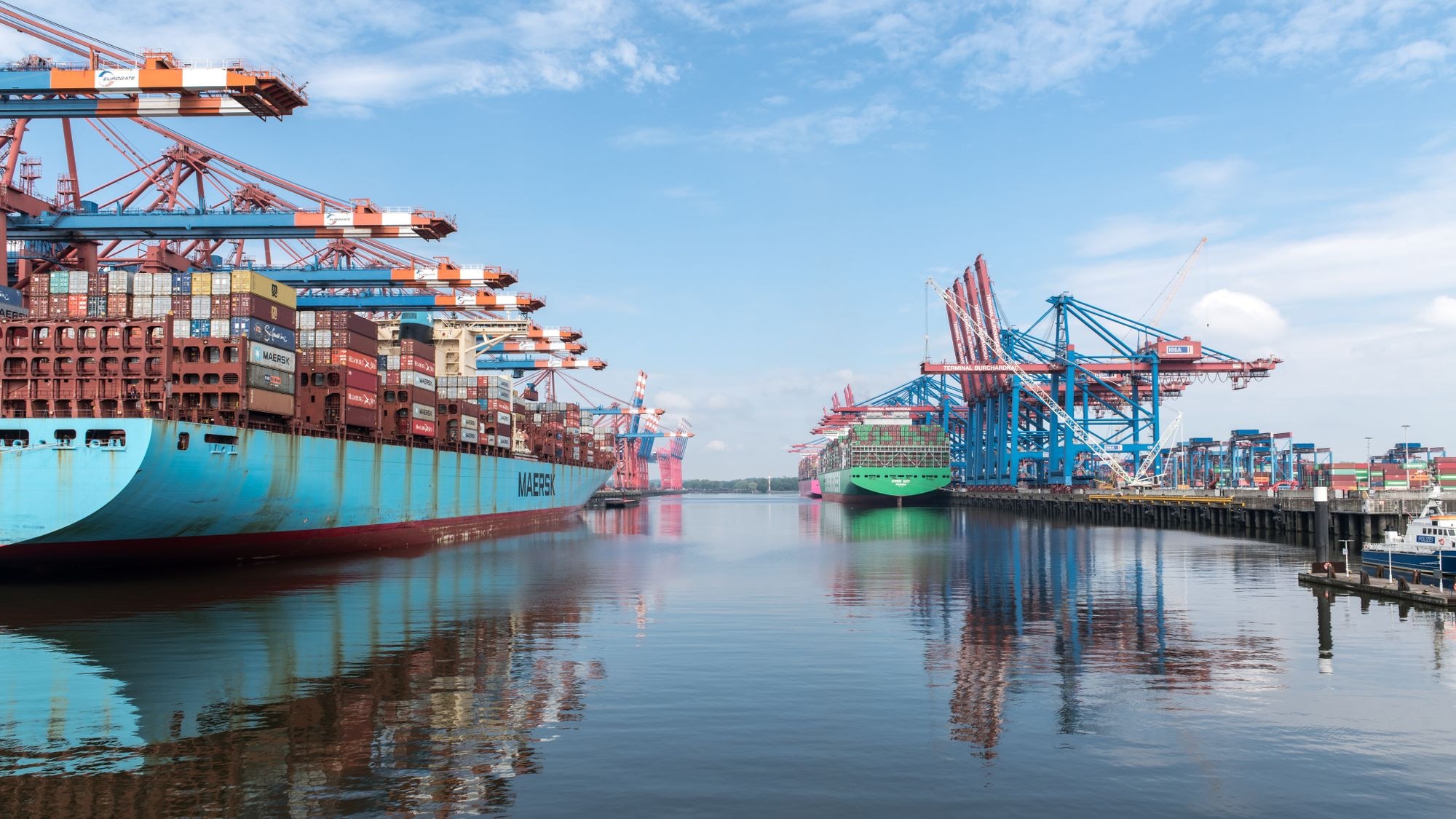
A straightforward ocean leg behind a careful file.
Buenos Aires is a direct call on the east coast South America rotations. The craft on this lane is the pre-purchase confirmation and the homologation file, not the freight.
Container origins
NY/NJ, Savannah, Miami, Houston, Long Beach, Seattle. Six warehouses, container loaded by our crew. East Coast origins fit the ECSA services naturally.
A 40HC commonly holds four cars, though this lane is one-car-per-importer by rule, so single-vehicle and shared-box economics both get priced.
Container is the standard method. The certification documents travel in the file, prepared before sailing.
RoRo origins
Baltimore, Brunswick, Galveston, Jacksonville, Port Hueneme. Five RoRo terminals. Baltimore and Brunswick serve the ECSA rotations.
Quarter-tank fuel maximum per SOLAS rules on every booking.
RoRo works for a running car on this lane and often prices well for a single vehicle. The desk runs both methods.
US origins for this lane
| Origin | Method | Transit |
|---|---|---|
| NY/NJ | Container | 20-30 days |
| Savannah | Container | 20-30 days |
| Miami | Container, ECSA routing | Quoted per routing |
| Houston | Container, ECSA routing | Quoted per routing |
| Long Beach | Container, ECSA routing | Quoted per routing |
| Seattle | Container, ECSA routing | Quoted per routing |
| Baltimore | RoRo, ECSA rotation | 20-30 days |
| Brunswick | RoRo, ECSA rotation | 20-30 days |
| Galveston | RoRo, per rotation | Confirmed at quote |
| Jacksonville | RoRo, per rotation | Confirmed at quote |
| Port Hueneme | RoRo, per rotation | Confirmed at quote |
Any origin can serve this lane. The desk quotes the routing that fits where your freight sits.
The homologation file is the whole game.
Clearance at Buenos Aires is standard customs work. Registration is where the reform lives, and the path depends on whether your model already holds Argentine certification.
Required documents
Original title or bill of sale
Exception: vehicles 25+ years can ship under salvage certificate per US Customs rules. Otherwise, clean title required before booking.
Commercial invoice
Issued by Dapex on letterhead. Buyer or consignee, vehicle details, declared value, HBL number.
Packing list
Standard format. Critical when vehicles are co-loaded with personal effects in containers.
HBL
Consigned to the buyer or their clearing agent. Released after payment of the quoted amount.
What runs after the BL — before sailing: confirm and build the file
Confirm current used-vehicle treatment
Current used-vehicle treatment confirmed in writing, dated.
LCM or CVHE match
LCM or CVHE match checked for the exact model and version.
Road-safety certificate path
Road-safety certificate path scoped where no match exists.
US certification documents
US certification documents assembled with the vehicle file.
Duty and tax stack
Duty and tax stack quoted on the confirmed basis.
At destination: nationalize and register
Import declaration
Clearing agent files the import declaration at Buenos Aires.
Duty and taxes paid
Duty and taxes paid on the personal import.
Homologation
Homologation via LCM, CVHE, or the certificate path.
Registration
Registration with the national vehicle registry.
Two-year no-resale period
Two-year no-resale period runs from nationalization.
What Dapex files, US side
AES filing with US Customs. ISF where required. HBL issuance under Dapex's NVOCC license. Commercial invoice and packing list on Dapex letterhead. Pre-alert pack to your clearing agent with all documents at vessel sailing.
One person, one car, confirmed first.
The screen on this lane is about the importer as much as the vehicle. Both get checked before a booking exists.
Inside the annual entitlement.
An Argentine citizen inside their annual entitlement, importing a vehicle whose treatment is confirmed under the current regime, with the homologation path identified before purchase.
Dealer volume and resale intent.
Dealer volume, resale-intent imports inside the two-year lock, and any vehicle whose current treatment cannot be confirmed in writing. We say no at the quote stage, not at the dock.
The standing rules hold.
Clean title or salvage cert (25-year exception), no unreleased liens, no personal effects loose in RoRo.
What moves the rate on this lane.
Locked components stay locked. On a young regime, the variance is regulatory as much as freight, and we price it transparently.
Our work, our cost.
- Warehouse operations
- Booking fee
- Documentation handling
- Dispatch coordination
- HBL issuance
Carrier and port-driven.
- Ocean freight (carrier-set)
- Routing and transshipment surcharges
- Fuel and bunker surcharges
- Origin port charges (container and RoRo)
- THC at discharge port
- Inland trucking to loading point
Service standards.
- Compliance
- Documentation accuracy
- Submission urgency
- Dispatch priority
Lane-specific drivers
Regime settling
Rules a year old move. Each quote is built on a dated written confirmation of current treatment, and a booking made on it runs on it.
Homologation path
A model with an existing LCM or CVHE registers on paper already in the system. A model without one runs the certificate path, which adds a step and a fee at destination. The path is identified before you buy.
Duty and tax stack
The personal import carries real duty and taxes, and the stack depends on the vehicle. The desk quotes it on the confirmed current basis rather than an estimate.
ECSA rotation schedules
The Buenos Aires services run steadily from the East Coast. Origin choice against the sailing schedule is standard freight optimization.
Who handles Argentina accounts.
The Spanish-speaking desk runs every Argentina file, and on this lane the first deliverable is the written confirmation.
Spanish-speaking Desk
Latin America and the Caribbean. Business hours across US Eastern and Latin American time zones, plus extended hours by request.
What the desk owns.
Quote signing, file management through BL, escalation on title or compliance issues, coordination with your destination agent or clearing agent. The desk lead's name and direct line are on every quote we send.
Things buyers ask about the Argentina lane.
The 2025 reform opened direct personal imports and modernized homologation, with government communications framing it as covering new and used vehicles. Implementation reporting on the used side was mixed through late 2025, so we confirm current treatment in writing with the clearing agent before every purchase. The dated confirmation is what your quote is built on.
One per calendar year, as an individual, for personal use. And you cannot sell it for two years after nationalization. There is no dealer or volume path under the current regime.
This is what the reform fixed. If your exact model and version already holds an LCM or CVHE in Argentina, registration rides on it. If not, the road-safety certificate path covers it, and the framework recognizes US, UN, and EU certifications.
Real money: duty and taxes on the personal import are substantial and vehicle-dependent. The desk quotes the exact stack on the confirmed current basis before you commit.
No. The two-year no-resale rule exists precisely to keep this a personal lane, with clawback exposure for early sales. If your business is resale, Argentina is not your market yet, and we will say so.
Treat it as unconfirmed. The young regime's treatment of damaged-title vehicles is part of what we verify per shipment, and no salvage purchase should move without the written answer.
Buenos Aires, a direct ocean call from the US East Coast and Gulf on the ECSA rotations.
Twenty to thirty days on the water, then clearance, homologation, and registration. The pre-purchase confirmation and file-building add days up front and save weeks at the back.
Thinking about the new Argentina lane?
Send the VIN, vehicle year, and your situation to the Spanish-speaking desk. We confirm current treatment in writing, identify the homologation path for your exact model, quote the full landed stack, and tell you honestly whether your case fits the regime. Itemized quote signed by your account manager within 4 business hours.